
Most homes do not need air duct cleaning on a routine schedule. The EPA has found no proof that it prevents health problems. Cleaning makes sense when you can point to a specific problem: visible mold inside the system, rodent or insect contamination, heavy debris after a remodel, or dust actually blowing out of the registers.
For some homes, then, it clearly is worth it. The difference comes down to what is actually inside your ducts and whether it is getting into the air you breathe.
Dust is a fact of life in Starr County and the rest of the Valley, especially on caliche roads, near fields and in homes with older systems. That makes duct cleaning an easy sell. Before you book one, it helps to know what the evidence says and how to check your own system.
What the EPA says about routine duct cleaning
The U.S. Environmental Protection Agency has a plain position on this. Duct cleaning has never been shown to prevent health problems, and studies have not shown that dust levels in homes rise because of dirty ducts. Much of the dust that settles in ducts sticks to the duct surfaces and stays there rather than blowing into rooms.
The EPA does not say duct cleaning is never useful. It says to consider it when there is a specific reason, and it lists three:
- Substantial visible mold growth inside hard ducts or other parts of the system.
- Ducts infested with insects or rodents.
- Ducts clogged with excessive dust and debris, or particles actually blowing out of the supply registers.
The agency also recommends that any cleaning include the coils, drain pan, blower and housing, not just the duct runs, since cleaning only part of the system can let contamination come right back.
When cleaning genuinely helps
Mold you can see
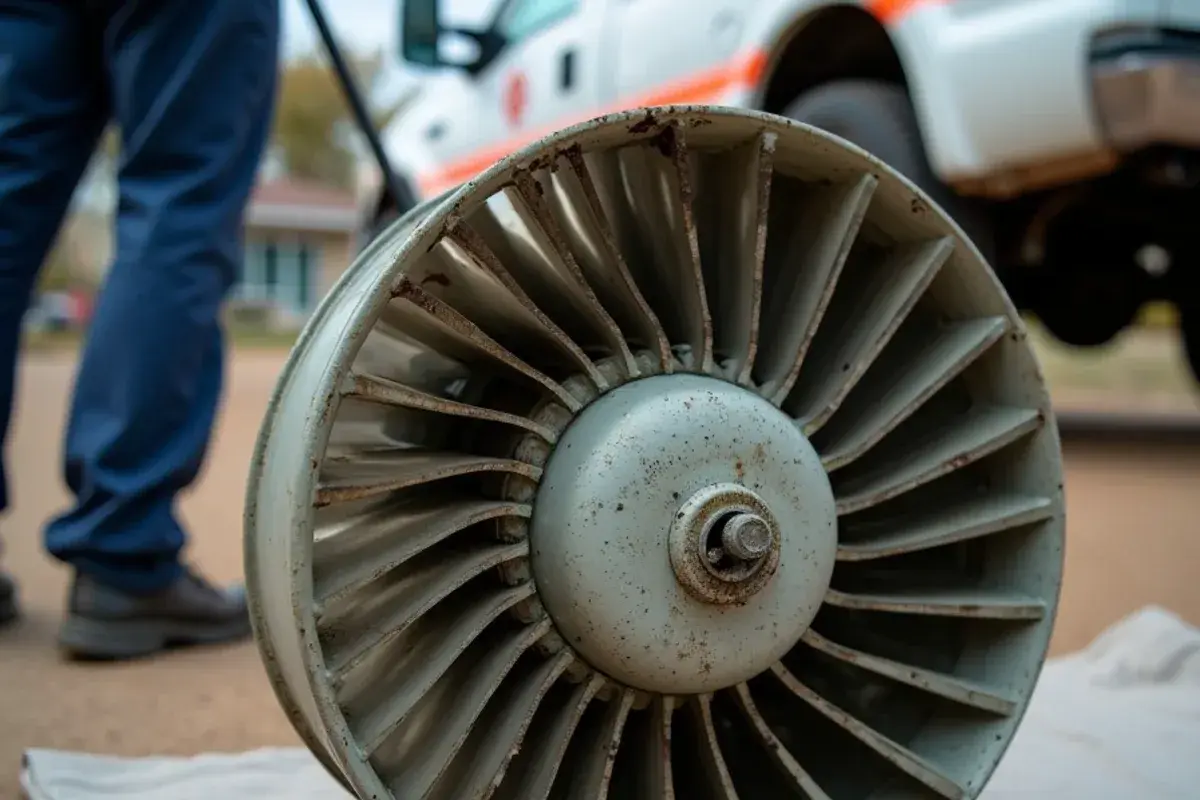
Humid homes, especially low-lying houses near the river and resacas, can grow mold on the indoor coil, blower wheel and the first few feet of duct. In older homes around South Alamo, humidity-driven growth on coils and duct interiors is a recurring problem. Here, cleaning has a real purpose. The moisture source has to be fixed too, or the mold returns.
Pests and droppings
Mice, roaches and other pests sometimes nest in return boxes, under-floor ducts or attic runs. Droppings, nesting material and dead insects are worth removing. Damaged sections, especially insulated flex duct, are often replaced instead of cleaned.
Renovation and construction dust
Drywall sanding, concrete cutting or tile work with the AC running can load ducts with fine debris. If you remodeled without sealing the registers, cleaning afterward makes sense.
Dust actually blowing from the vents
If you see dust puffing out of registers when the system starts, or dark streaks on the ceiling around vents, that's evidence of loose debris or leaky return ducts pulling attic dust in. Cleaning can help, but sealing the leak matters more.
When it probably won't help
| Situation | Will duct cleaning help? | What helps more |
|---|---|---|
| Light gray dust on register faces | Rarely | Wipe the registers, upgrade or change the filter on time |
| Dusty house in general | Not by itself | Better filter, sealed return ducts, closed windows on windy days |
| Musty smell when AC starts | Only if mold is in the ducts | Clean coil, drain pan and blower; control humidity |
| Allergies with no visible contamination | Unlikely | Higher-rated filter, humidity control, air cleaning at the system |
| Visible mold inside ducts or on blower | Yes | Cleaning plus fixing the moisture source |
| Rodent or insect droppings in ducts | Yes | Cleaning, replacing damaged ducts, sealing entry points |
| Heavy debris after remodeling | Yes | Cleaning, then sealing registers during future work |
How to check your own ducts
You can do a basic look in about ten minutes:
- Turn the system off at the thermostat.
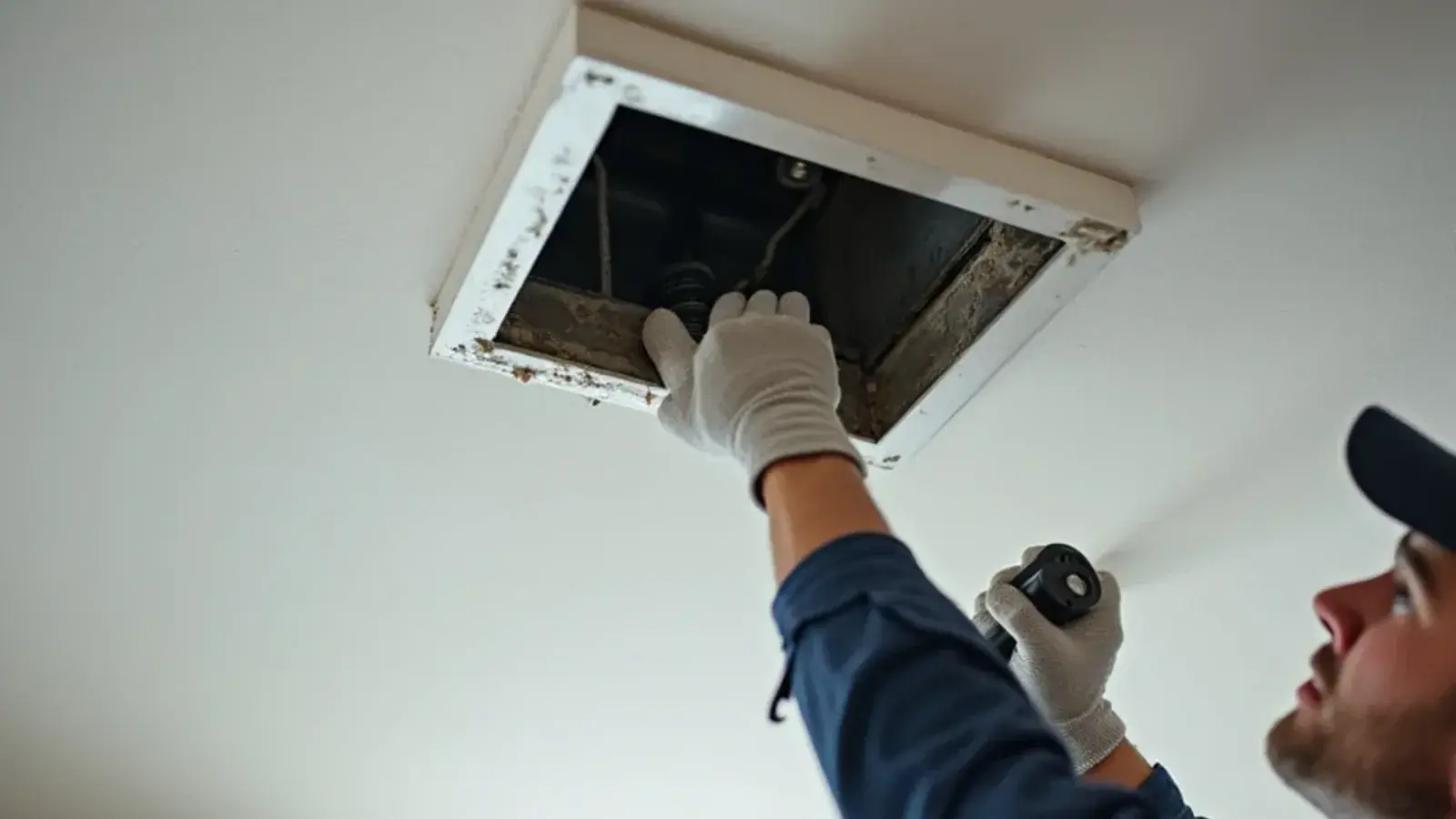
- Remove one supply register and one return grille, typically held by two screws.
- Shine a flashlight inside. A thin film of dust is normal. Clumps, debris, droppings or dark fuzzy growth are not.
- Look at the filter. If it is torn, missing, poorly fitted or rarely changed, that is the first thing to fix.
- Check the dust around the return grille. Heavy buildup there can point to air leaks pulling in attic dust.
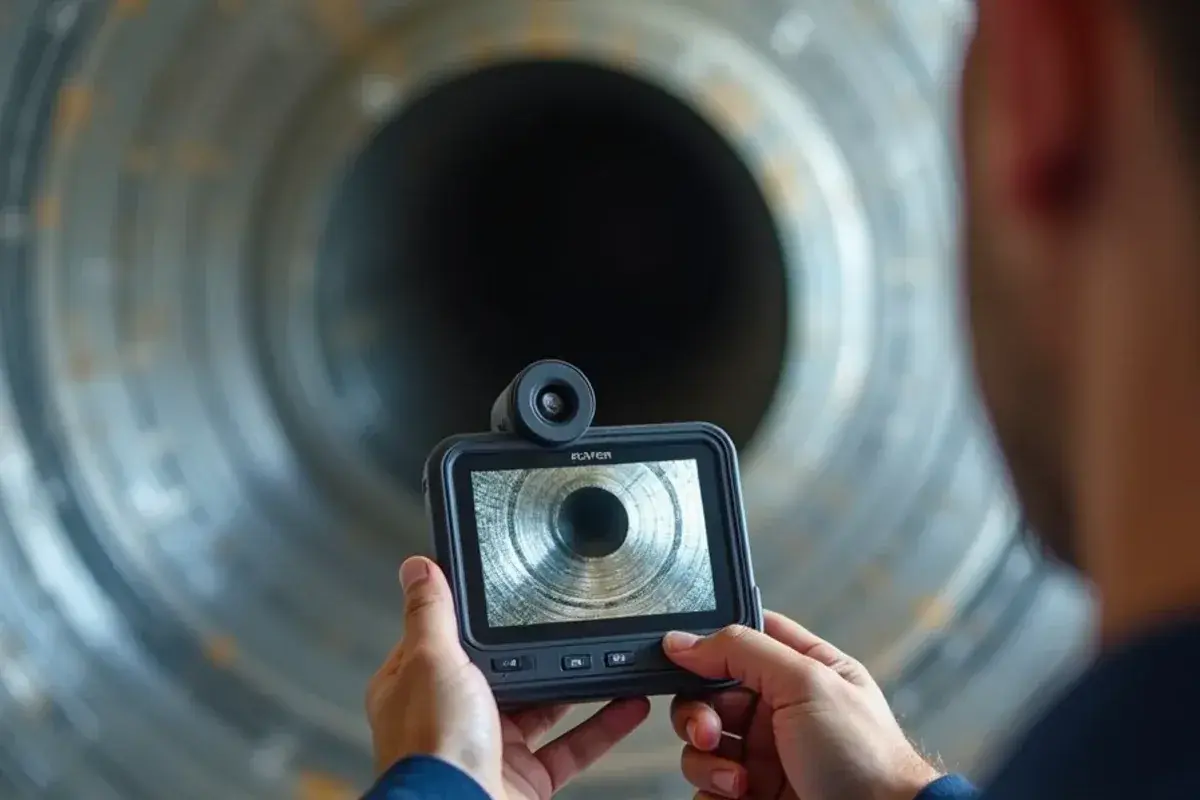
If what you see is mild, skip the cleaning. If you're not sure, a technician can use an inspection camera to look deeper.
What a proper cleaning involves
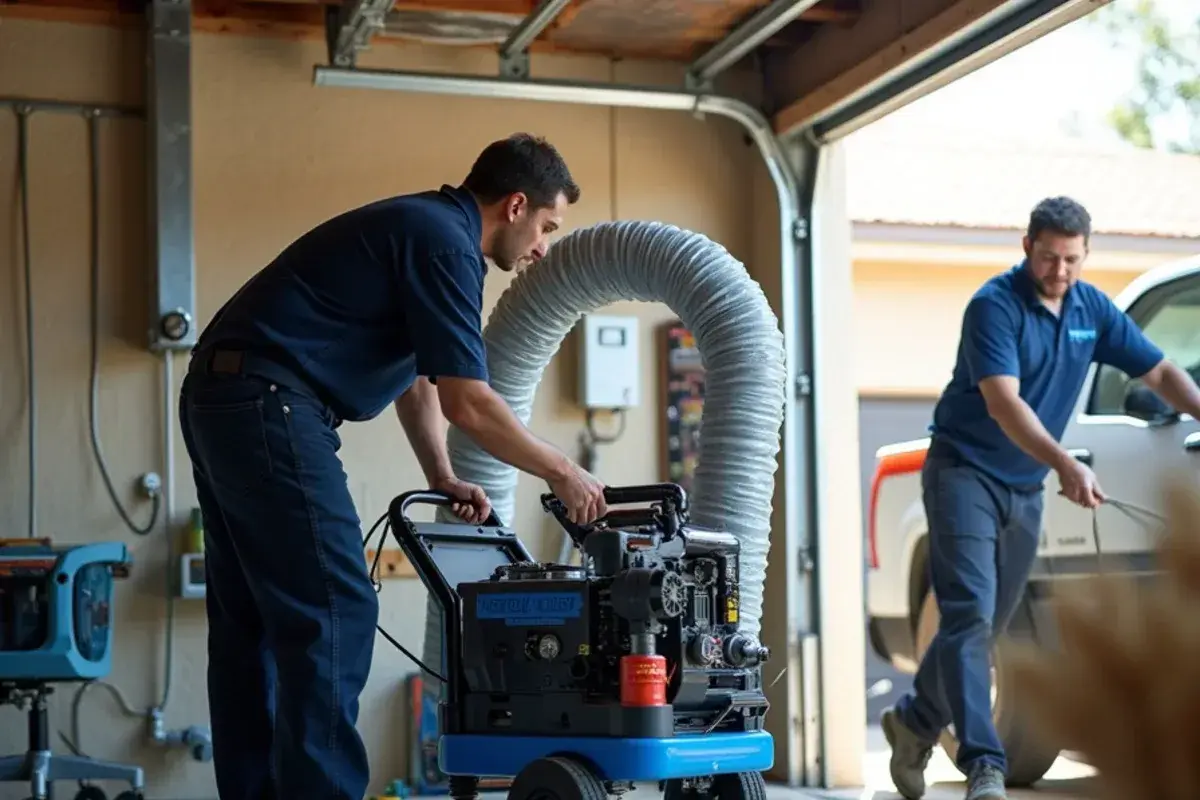
If cleaning is justified, how it's done matters. A thorough job puts the duct system under negative pressure with a large vacuum collector, then uses brushes or air whips to loosen debris so it's pulled out instead of blown into the house. Registers, the return box, the blower and coil get cleaned at the same time.
Be cautious about extras. The EPA notes that chemical biocides and duct sealants sprayed inside ducts have not been fully researched, so ask what product is being used and why before agreeing to it. Also be wary of very fast, low-cost "whole house" specials, which usually can't include a full system cleaning.
Our air duct cleaning page explains when we recommend it and what the work covers.
What a technician looks at before recommending a cleaning
A fair duct cleaning recommendation rests on evidence you can see. These are the checks that usually decide it, and what they tend to show.
- The filter and its fit. A filter that is undersized for its slot, bent or missing lets dust straight past it. In a lot of dusty houses the duct problem starts here.
- The coil face and blower wheel. A matted coil or a blower wheel with caked blades throws more dust and musty odor than the duct runs ever will. Cleaning these is where most of the comfort and efficiency gain sits.
- Return leaks. Dust lines around a return grille, or a return box that pulls air from the attic or wall cavity, mean the system is feeding itself dirt. Cleaning without sealing the leak just resets the clock.
- What the ducts are made of. Bare sheet metal can be brushed and vacuumed. Flex duct and fiberglass duct board are more fragile, and the EPA says moldy fiberglass liner or duct board generally cannot be cleaned effectively and should be replaced.
- Humidity. A reading above 60 percent inside the house explains recurring mold on the coil and boots better than any amount of cleaning.
- Camera footage. A look down several runs shows whether debris is a thin film or real buildup, and gives you something to see before you agree to anything.
Two warning signs about any duct cleaning offer come straight from the EPA's consumer guidance. The agency does not certify duct cleaners, so a claim of "EPA certification" is not real. And a cleaner who cannot show you the contamination they describe, or who pushes chemical treatments with no visible growth, is selling something you probably do not need.
The honest trade-off for Valley homes: in an older house with tired flex duct in a hot attic, the money may do more as new, sealed duct than as a cleaning of the old runs.
Dusty house ducts in caliche country
Homes on the caliche hills around Las Lomas, just outside Rio Grande City, deal with wind-blown dust most of the year. In that setting the dust problem usually starts outside, so the fixes that work best are a good filter changed on schedule, sealed return ducts so attic and outdoor dust aren't drawn in, and a clean outdoor coil. Duct cleaning helps when debris has actually built up, not as a substitute for those basics. For broader air concerns, our indoor air quality services cover filtration and humidity control.
Don't forget the dryer vent
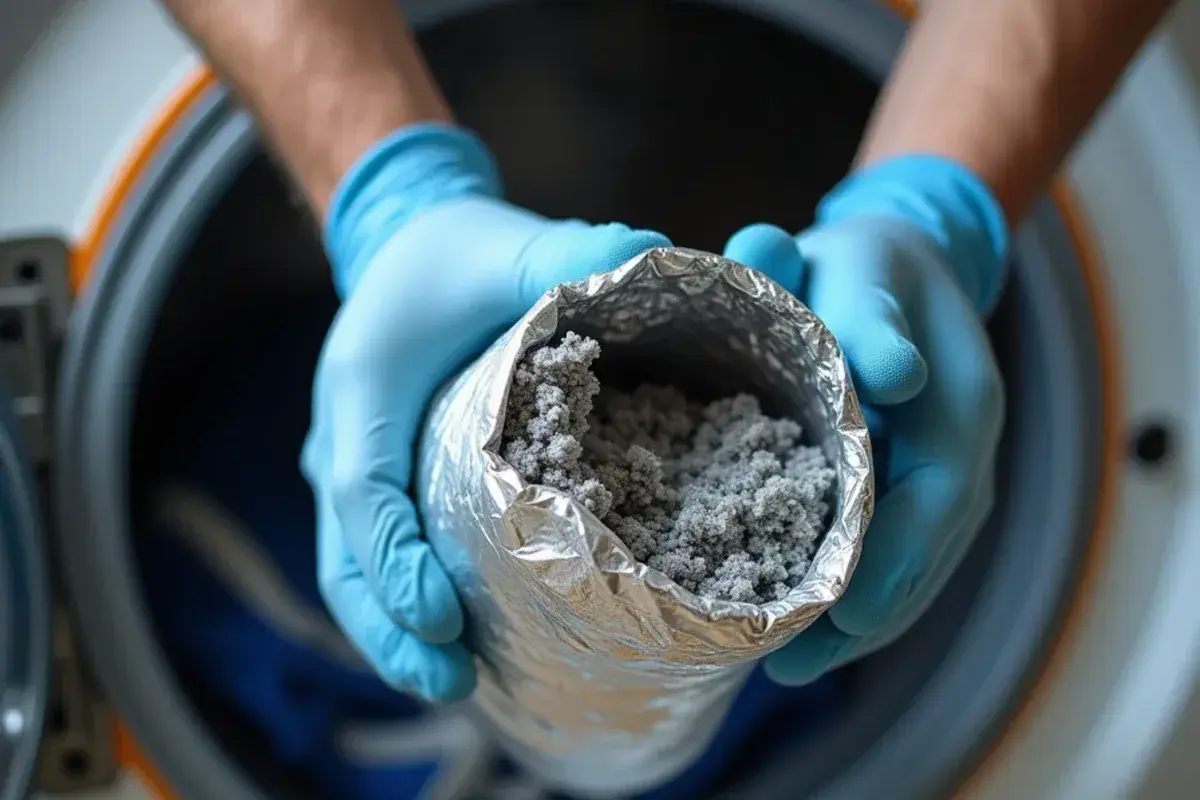
Dryer vent cleaning is a different job from HVAC duct cleaning, but it's more important for safety. Lint builds up in the hose and the wall duct, and the U.S. Fire Administration lists failure to clean as the leading cause of home dryer fires. If clothes take longer to dry or the dryer gets very hot, clean the vent and the outside hood.
A straight answer
For most homes, regular filter changes, a clean coil and sealed ducts do more for air quality than a scheduled duct cleaning. Book a cleaning when you have a reason the EPA would recognize: visible mold, pests, heavy debris or dust actually blowing from the vents. When in doubt, ask for an inspection first and decide based on what's really inside. Call 956 Multi Service at (213) 423-7827, describe the dust, smell or mold you are seeing, and we will tell you plainly whether a cleaning, a coil service or duct sealing fits the problem.