
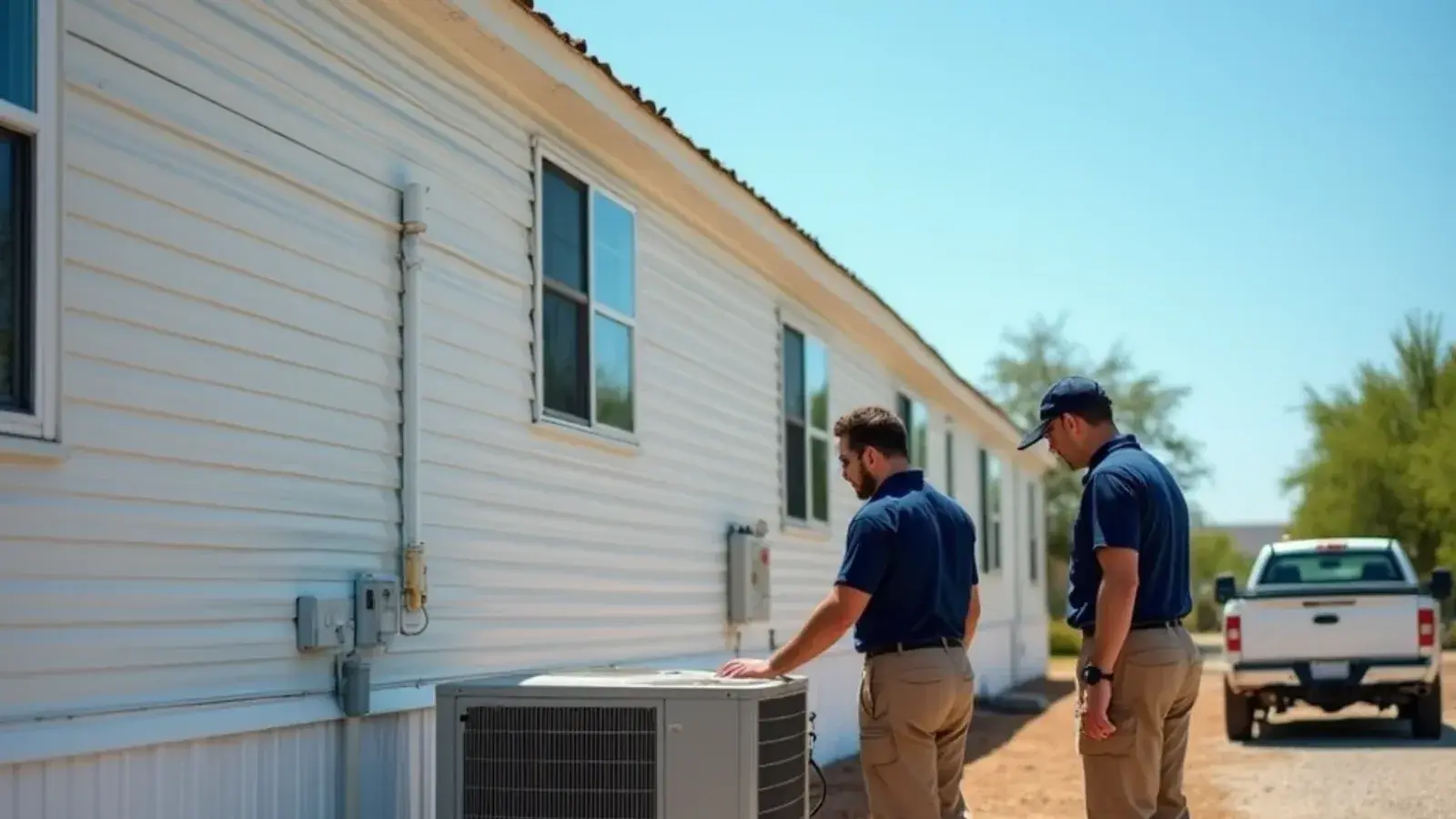
Mobile home AC installation in Rio Grande City is its own kind of job. A manufactured home has thinner walls, a lower ceiling, ducts that run through the belly under the floor instead of an attic, and often a metal roof soaking up sun all afternoon. Equipment that would suit a site-built house the same size can struggle here, and a single crushed duct underneath can make a perfectly good unit look broken.
Many families across Starr and western Hidalgo counties live in single-wide or double-wide homes, and plenty of searches here are simply for aire acondicionado para traila. We install package units, split systems tied to closet furnaces, and ductless mini-splits, and we get under the home to fix the ducts that feed them.
What makes a manufactured home harder to keep cool
Most of the heat gain in a manufactured home comes through the roof and the windows. Older homes often have single-pane aluminium windows and only a modest layer of insulation between the ceiling and the roof skin, so the ceiling can run warm by mid-afternoon.
The duct system is the other weak point. Air travels from the unit through a short transition into a trunk line that runs inside the belly, the insulated cavity under the floor wrapped by a fabric or plastic bottom board. In a double-wide, a flexible crossover duct links the two halves. Those ducts sit inches above dirt, so they get crushed, chewed, pulled loose by settling, or soaked after heavy rain. When that happens, cooled air goes into the crawl space instead of the rooms.
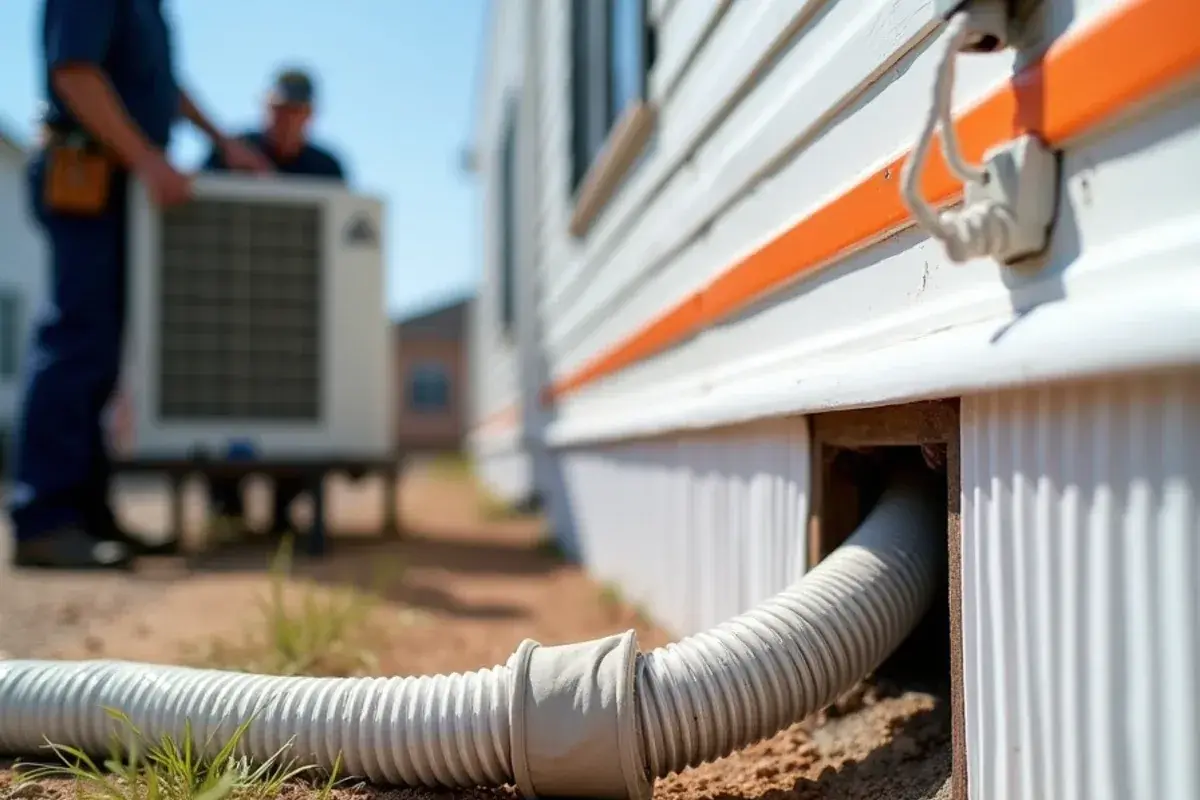
Homes on piers also need the outdoor unit supported on its own pad or stand. A unit leaning on the skirting, or on blocks that shift in caliche soil, strains the duct connection and the refrigerant lines.
Package unit, split system or mini-split for a trailer?
Each option has a place. The right one depends on what the home already has and how it is laid out.
| Setup | What it is | Good fit when |
|---|---|---|
| Package unit | One outdoor cabinet holds the compressor, coil and blower, ducts run under the skirting | The home already has a working belly duct trunk and no indoor furnace closet |
| Split AC with closet furnace | Outdoor condenser plus a coil cabinet on the downflow electric furnace inside | The home has a furnace closet in decent condition and sound ducts |
| Heat pump package or split | Same layouts, with reversing heat for winter | You want heat for cold snaps without relying only on resistance strips |
| Ductless mini-split | One or more wall heads, no ducts needed | Ducts are badly damaged, the home was never set up for central air, or you are replacing window units |
A ductless mini-split installation is a strong choice for single-wides and for older homes where the belly is in poor shape. If heating matters as much as cooling, compare heat pumps with the electric strips most closet furnaces use.
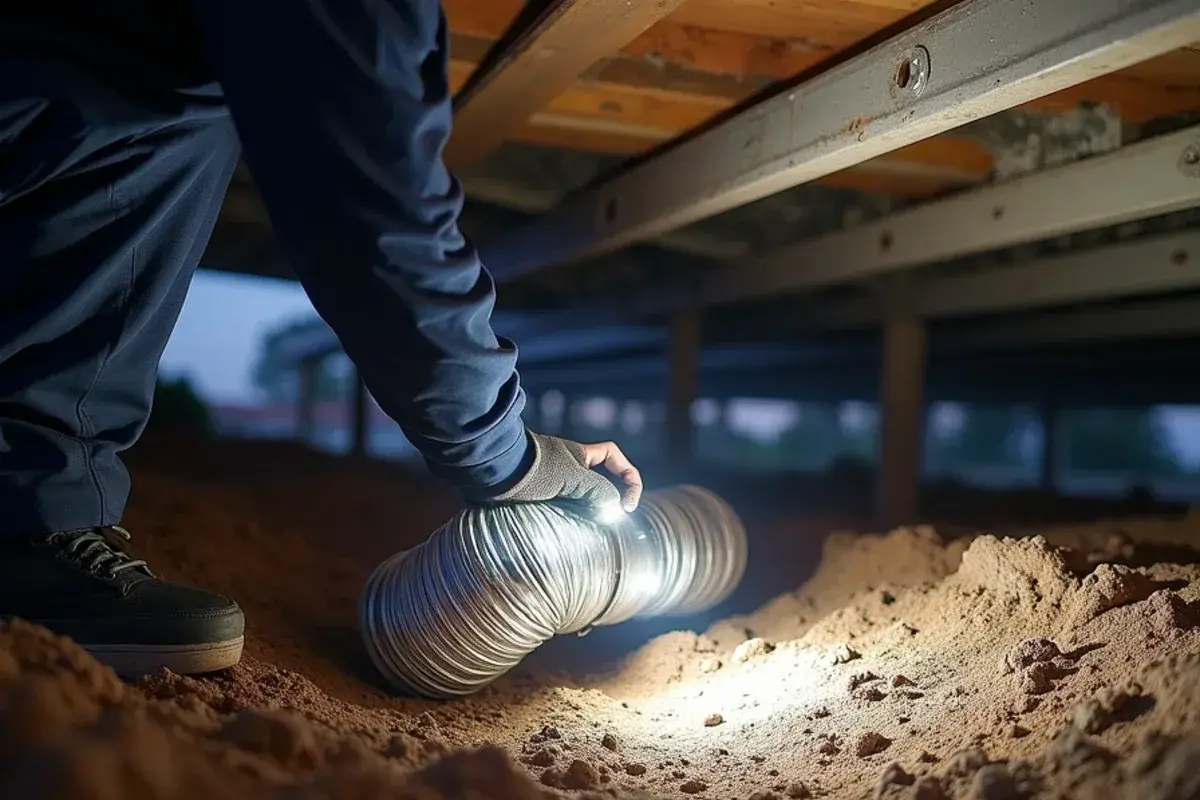
Belly duct and crossover repair under the home
When some rooms are cold and others are not, we look underneath before we talk about new equipment. A belly duct inspection means crawling the length of the home with a light, checking every boot, the trunk joints, the crossover and the bottom board.
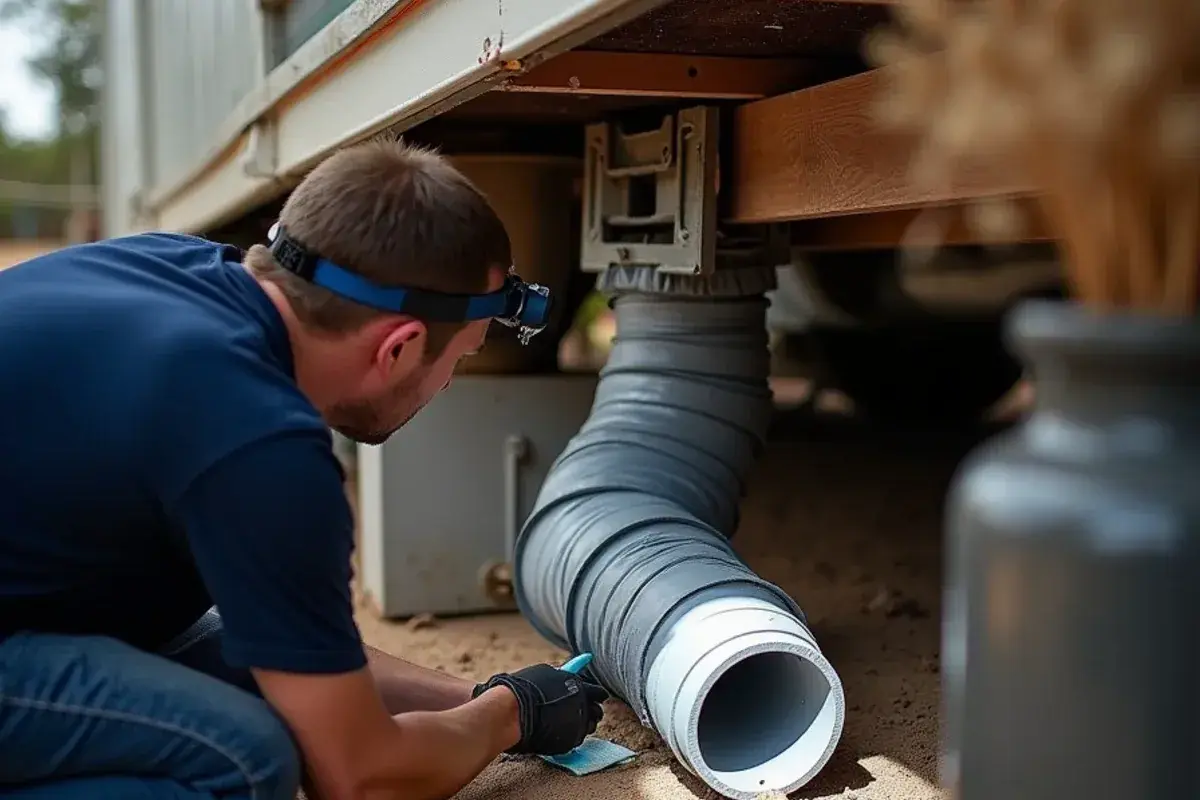
Repairs usually include reattaching loose boots and trunk sections, replacing crushed or torn crossover flex, sealing joints with mastic, hanging the ducts with strapping, and closing the bottom board so insulation and pests stay where they belong. For leaks that go beyond a few joints, our duct sealing service covers the full system.
Reading the HUD-code data plate before any equipment goes in
Manufactured homes built since June 1976 follow the federal HUD code. Most carry a data plate, usually a paper label inside a kitchen cabinet, a bedroom closet or near the electrical panel, that records how the home was built. Among other things, it notes whether the duct system was designed for central air conditioning. HUD rules also require a Comfort Cooling Certificate inside, listing the largest central AC the ducts were certified for, or stating they were not designed for one.
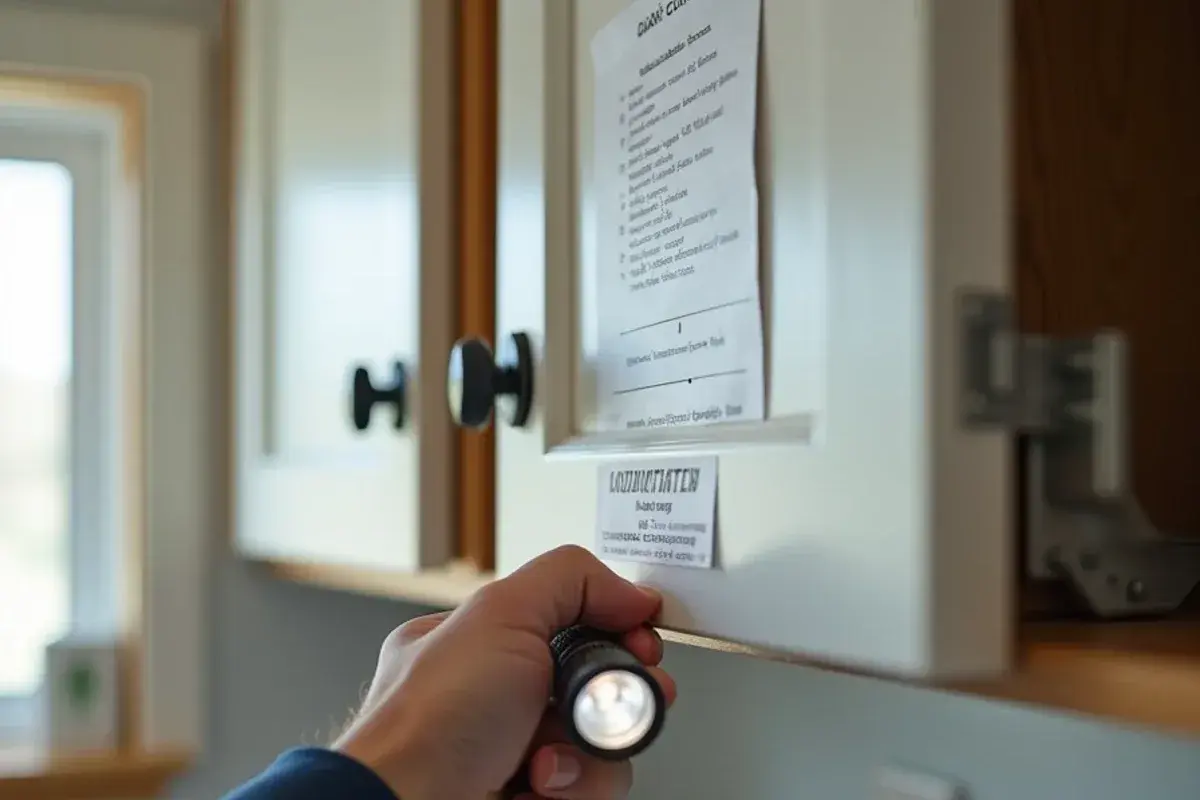
We also look at the electrical panel to confirm there is room and capacity for the new circuit. If the ducts were never meant for central air, or the panel is near its limit, that steers the choice toward a different setup. In Texas, A/C installation work requires a TDLR licence, and the agency's website lets you look up any installer by name.
Sizing a single-wide versus a double-wide
Floor area is a starting point and nothing more. A single-wide facing east-west with no shade can need more cooling per square foot than a double-wide tucked under mesquite trees. A Manual J load calculation counts the window glass and its orientation, roof and wall insulation, air leakage, and the number of people in the home.
Single-wides tend to have one long duct run, so the far bedroom loses airflow first. Double-wides depend on the crossover, so a damaged crossover can make a correctly sized unit seem too small. Sizing the equipment and fixing the ducts go together.
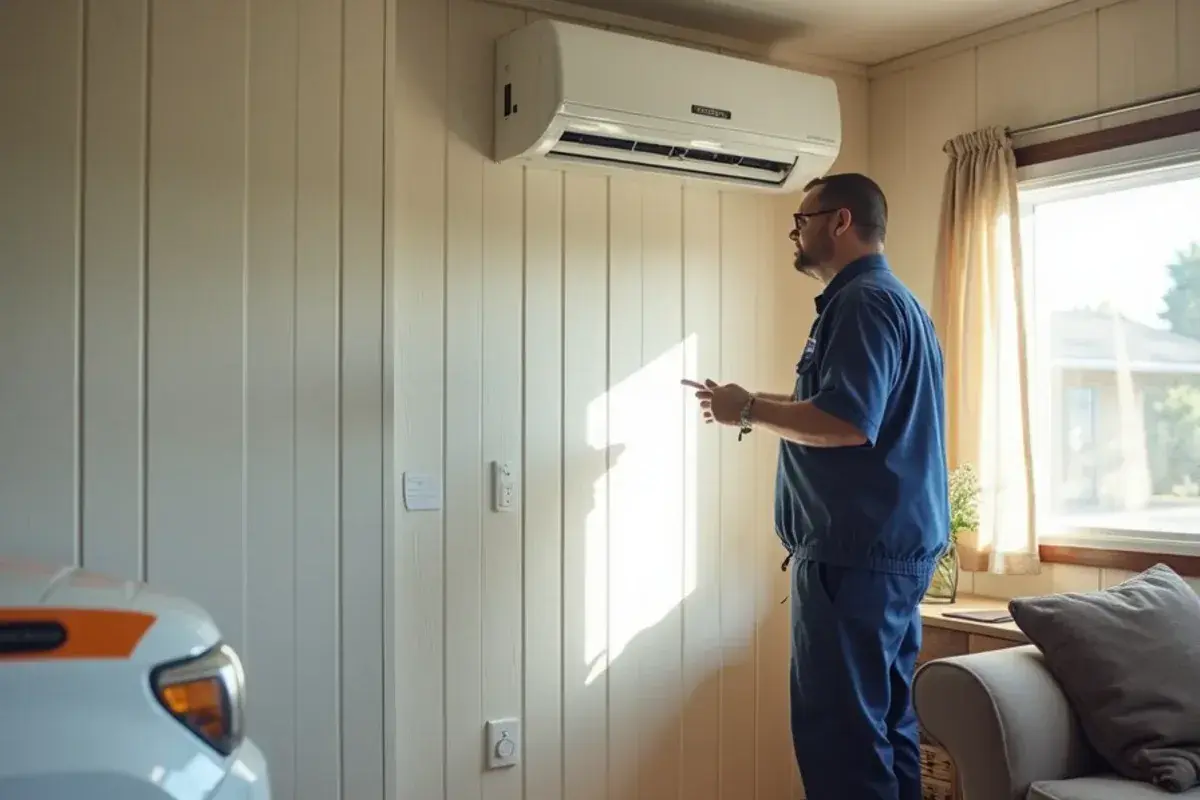
Planning the visit and the install
Belly work is easiest in the morning before the space under the home heats up, so we often schedule crawl inspections early. Please clear a path to the skirting access panel and keep pets inside while we work underneath.
- Call: single- or double-wide, current setup, hot rooms.
- Read the data plate and cooling certificate; check the panel.
- Crawl the belly for loose boots and a torn crossover.
- Size the system with a load calculation.
- Install: pad or stand, equipment, duct fixes, sealed transition.
- Test airflow at the far bedroom.
What sets the price of mobile home AC
Price depends on the equipment type, how much of the belly needs repair, whether the outdoor unit needs a new pad, electrical updates at the panel, and the number of mini-split heads. Useful add-ons include a float switch on the drain, surge protection and a thermostat suited to the system. Installs are often done the same day when the equipment is in stock and the schedule allows, and the old unit is hauled away. We take cash and the major cards, and financing is available.
Why owners of manufactured homes call 956 Multi Service
A small crew working from Rio Grande City since July 2024, we handle the belly crawl, the equipment and the pad ourselves. Our Google reviews, 41 so far, average 5.0. Phones are open 8 AM to 7 PM, except Sundays.
Google reviews that mention work like mobile home ac
5.0 out of 5 from 41 Google reviews
“Very great customer service! Talked to them over the phone to explain my A/C situation I was having, and they knew what the problem was right away! Came to fix the problem in a timely manner! Recently I purchased a new unit and they went for an installation the same day! Highly recommended!”
“Excellent service! We bought two units of air conditioners from them at a great price, plus they included installation. They were super friendly and, as I said before, provided excellent service. Highly recommended!”
“They've installed two different units for me. Fast service, clean installation, and easy to work with. Great job guys!”
Mobile home AC questions from Starr County owners?
Can a mini-split cool a single-wide mobile home?
Yes, and it is often one of the better options. A single-wide is long and narrow, so a two- or three-zone system with heads in the living area and bedrooms usually cools more evenly than one head trying to push air down a hallway. The wall framing is light, so heads are mounted on solid backing, and the outdoor unit sits on a pad or a bracket so it does not stress the skirting or siding.
Do manufactured homes need a special AC unit?
Not a special brand, but the setup is different. Many homes use a package unit outside or a coil cabinet paired with a downflow electric furnace in a closet, and the duct connection runs under the floor rather than through an attic. Equipment has to fit the home's duct design and electrical capacity, and the installer should follow both the equipment and the home manufacturer's instructions.
Can you fix crushed or disconnected belly ducts?
Yes. We crawl under the home, open the bottom board where needed, reconnect loose trunk sections and boots, replace flattened crossover ducts, seal joints with mastic and strap everything up off the ground. The bottom board is patched afterward to keep pests and moisture out. Fixing the ducts first often solves a cooling problem that looked like an equipment failure.
What size unit does a double-wide need in Starr County?
It depends on the home, not just the floor area. Window type, which side faces west, roof insulation, shade from trees and how well the crossover duct carries air all change the answer. We run a Manual J load calculation for the actual home. Oversizing is a common mistake in double-wides because the system cools quickly but leaves the air humid and the far end of the home warm.
Still have a question about mobile home ac? Ask us directly.
Call (213) 423-7827Where we handle mobile home ac
- Mobile Home AC in Mikes, TXCrushed or disconnected belly ducts are the most common cause of weak airflow here.
- Mobile Home AC in Starr CountyDozens of colonias across the county are full of single-wide and double-wide homes.
- Mobile Home AC in Mi Ranchito Estate, TXLots often pair a mobile home with an add-on that needs cooling.
- Mobile Home AC in Garza-Salinas II, TXTight lots favor compact units on small pads.
- Mobile Home AC in El Chaparral, TXThornscrub crowds outdoor units, and fire ants nest under skirting and in contactors.
- Mobile Home AC in La Homa, TXManufactured houses on rural lots often move from window units to mini-splits.
- Mobile Home AC in Mission, TXRV and mobile-home parks here run hard through winter-Texan season.
- Mobile Home AC in Alamo, TXPark-model AC units and heat pumps in its RV parks need fall service.
- Mobile Home AC in North Alamo, TXDense parks work park-model units hard from fall to spring.