
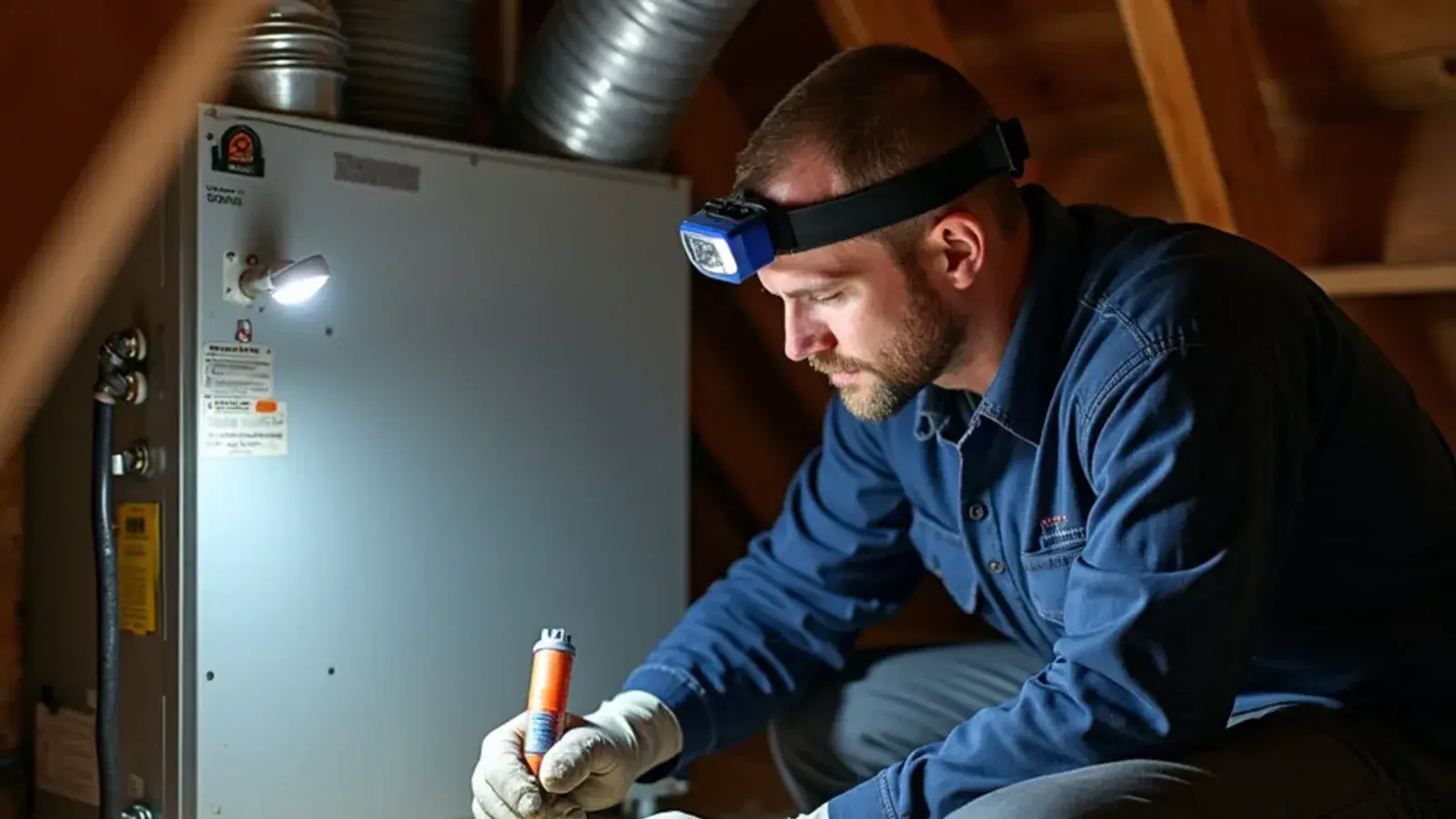
If your AC runs nonstop and the bill keeps climbing, some of that cold air may be going straight into the attic. Duct sealing in Rio Grande City closes the gaps at joints, collars and boots with mastic, then puts proper insulation back on the ducts so they stop gaining heat and stop sweating. It is one of the least glamorous jobs in HVAC and one of the more useful ones in a climate this hot.
This is a project service: we decide on materials, seal and insulate, and then measure again so you can see the difference in airflow. If your ducts are torn apart or collapsed, that is a repair or replacement job, covered on our ductwork repair page.
What duct sealing covers, and the signs you need it
Duct sealing closes the air leaks in the system you already have; duct insulation keeps those same ducts from gaining heat and sweating. On most homes the scope includes:
- Return side: the return box, filter grille frame and return duct, where leaks pull attic air in.
- Air handler and plenum seams, including cabinet joints on older equipment.
- Every reachable joint and collar on trunks and branch runs, plus boots at the ceiling.
- Insulation repair: re-wrapping sheet metal and replacing flex with a ruined jacket.
- Manufactured-home crossovers and belly trunks where joints have pulled apart.
- Before-and-after readings so the result is measured.
Signs of leaky or sweating ducts in Starr County homes
Leaks show up as rooms that never catch up, bills that climb while the AC runs all afternoon, and fine dust that settles again days after you clean, often from a return leak drawing caliche-laden attic air. Sweating shows up as brown rings on drywall near supply registers, usually in muggy weeks after summer rain or in homes nearer the river. A whistle at one vent, or a puff of insulation fiber when the blower starts, points to a gap close to that register. Under a mobile home, a damp, chilly spot in the floor can mean a crossover joint is blowing into the belly. When the symptoms are unclear, a duct leakage test, which pressurizes the ducts to 25 pascals and measures the air escaping, puts a number on it.
Mastic, foil tape or duct tape: choosing the right seal
The material on a duct joint decides whether the seal lasts. Here is how the common options compare in an attic that cooks all summer.
| Material | Where it works | Weak spots |
|---|---|---|
| Water-based duct mastic | Plenum seams, collars, trunk joints, boots, flex inner-liner connections | Messy to apply, needs time to cure |
| Mastic over fiberglass mesh tape | Gaps wider than a pencil line, crushed seams | More labor than mastic alone |
| UL 181-listed foil tape | Access panels, clean flat seams, insulation jacket seams | Fails on dusty or oily metal, can lift if not pressed hard |
| Cloth "duct tape" | Not recommended for sealing ducts | Adhesive dries out and peels in attic heat |
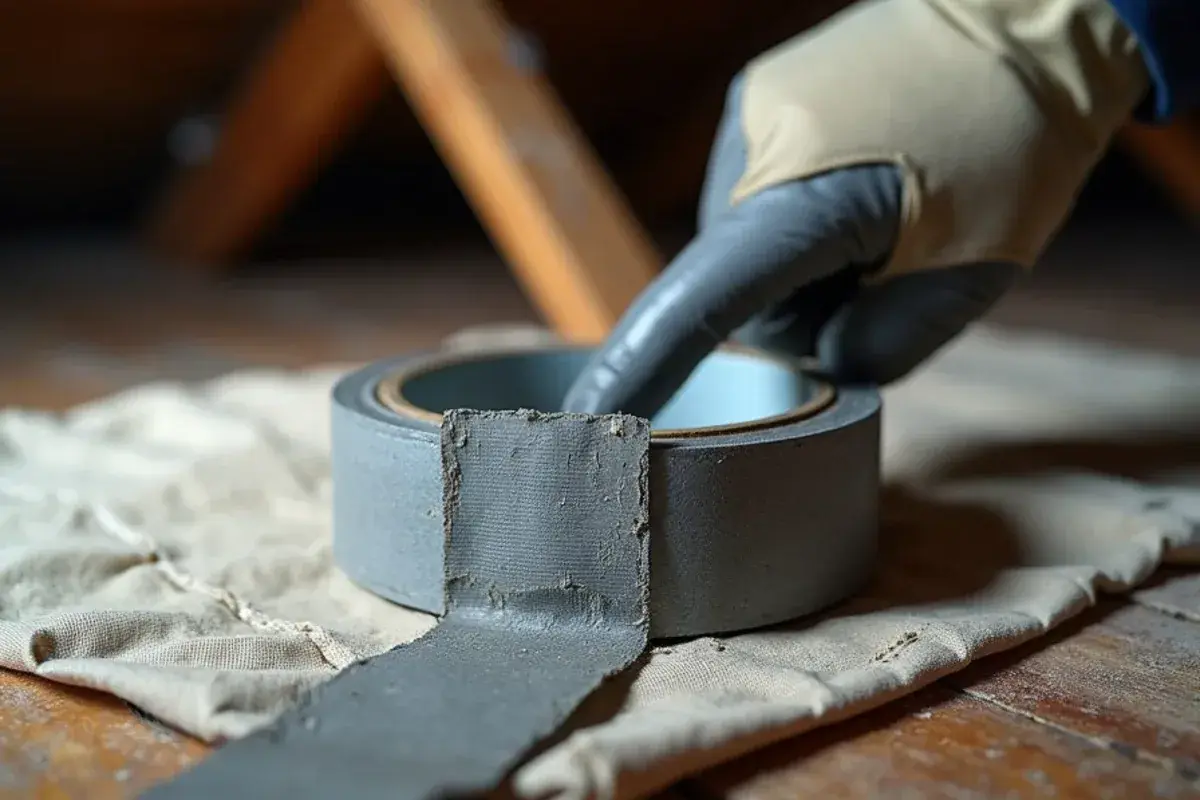
Mastic is our default for permanent joints. It stays flexible, fills irregular gaps and does not care how hot the attic gets. Foil tape has its place, mostly on parts that may need to be opened again. The gray cloth tape most people picture lasts a few seasons at best, which is why so many local attics have joints that look taped but blow air freely.
Duct insulation and sweating ducts near the river
Sealing stops air loss. Insulation stops heat gain and condensation. Both matter here.
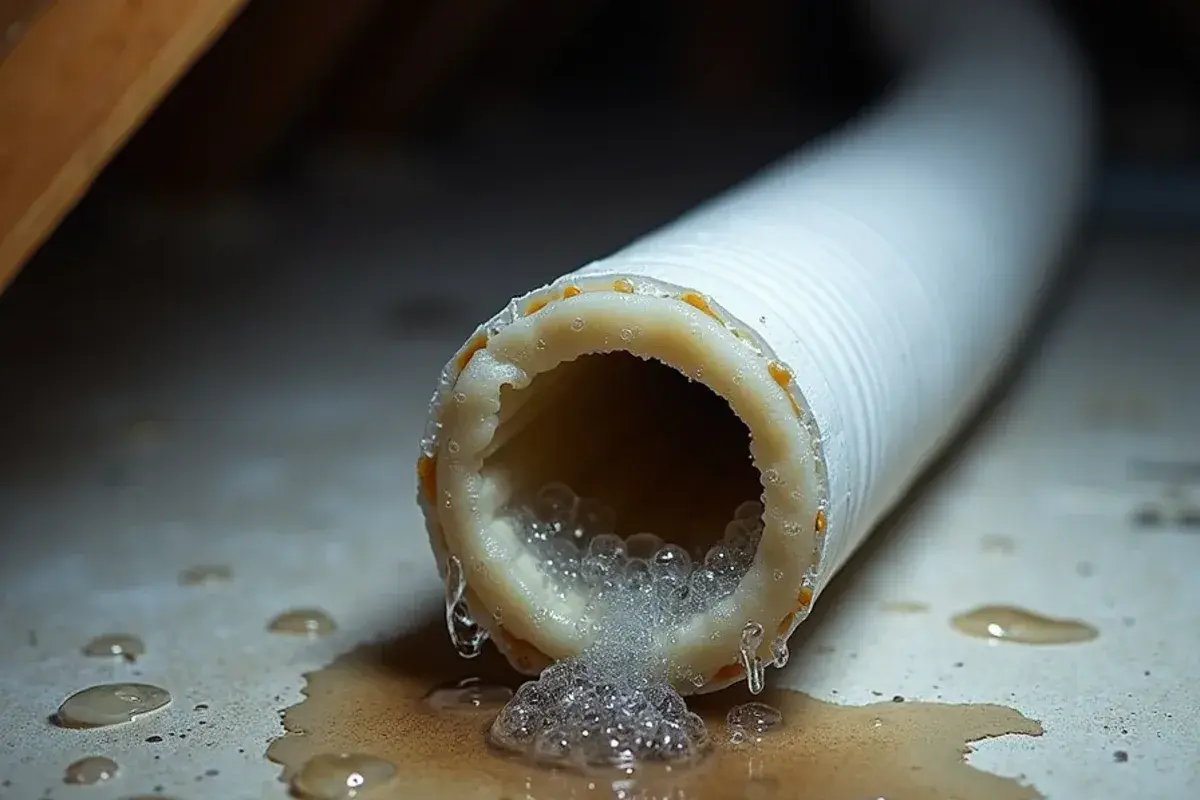
Why ducts drip
On muggy days, especially in homes closer to the Rio Grande, attic air holds a lot of moisture. When it touches a duct surface colder than its dew point, water forms. Torn flex jackets, crushed insulation and leaky joints that blow cold air onto the outside of the duct all make it worse. The result is a wet ceiling, stained drywall and sometimes mold.
Duct wrap and replacement flex
Sheet-metal ducts get foil-faced duct wrap, the insulation blanket with a foil vapor retarder facing out, with every seam taped. Flex runs with a ruined jacket are usually better replaced than patched. Current model energy codes call for R-8 insulation on larger supply and return ducts in attics, and that is a sensible target for any duct we re-insulate.

If sweating continues after sealing and insulating, the next questions are attic ventilation and whether the system's airflow is set too low. Adding attic insulation over the ceiling can also help the whole house, though it does not replace insulation on the ducts themselves.
How a duct sealing project runs
- Baseline readings. Register airflow and static pressure, plus a walk of the attic or mobile-home belly to find leaks and wet spots.
- Returns first. A return leak pulls in hot attic air and dust, so the return box, filter grille and return duct get sealed before anything else.
- Air handler and plenum. Cabinet seams and plenum connections often leak more than anything else in the system.
- Trunks, branches and collars. Mastic on every reachable joint, with mesh tape on wide gaps.
- Boots to ceiling. The gap between the duct boot and the drywall is sealed so attic air can't leak in around the register.
- Insulate. Re-wrap or replace damaged runs.
- Measure again. Same readings as the start, so you can compare.
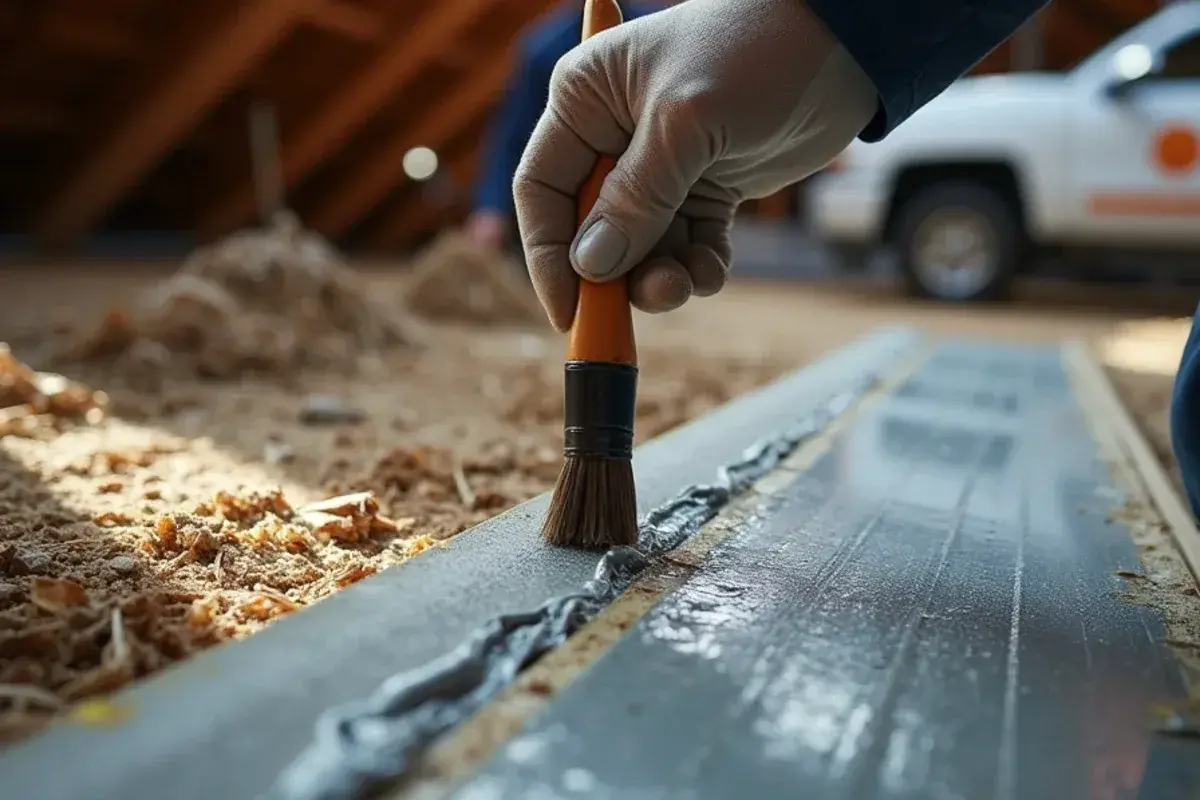
A typical single-story house is often a one-day job, started early before the attic gets dangerous. Larger homes or difficult access can take longer.
What you get from 956 Multi Service on a sealing job
Sealing only pays off when every reachable joint gets done. Since our July 2024 start, the Google profile has gathered 41 reviews averaging 5.0, and many of them single out tidy work and plain explanations. You see photos of the joints before and after. A small job can often fit into the day you call, if the schedule allows. We pick up from 8 AM until 7 PM every day except Sunday, and accept cash, Visa, MasterCard, American Express and Discover, with financing when sealing is part of a bigger project.
What sets the cost of duct sealing
We price after seeing the attic. The main variables:
- Number of joints and runs, and how many are reachable without moving insulation or storage.
- Attic height and access. A low-pitch roof means slow crawling work.
- Seal only or seal and insulate. Re-wrapping adds material and time.
- Condition of the flex. Sealing brittle, torn flex is wasted money; replacement is quoted instead.
- Mobile-home belly access, including opening and closing the belly wrap.
- Air handler cabinet condition on older equipment.
In Rio Grande City attics, two things move the number more than square footage: how much can be reached without raking back blown insulation, and whether the flex is worth sealing at all. Seal-only work on sound ducts is the smallest scope, seal plus re-wrap is next, and failed runs are quoted as replacement.
Is sealing the ducts a good idea before a new AC?
Often it is the smartest first step. Leaky ducts can make a house look like it needs a bigger system, and an oversized unit in this climate short-cycles and leaves rooms clammy. Sealing first lets AC replacement be sized to the house. Afterward, keep boxes off the ducts and have anyone working in the attic, from cable installers to roofers, stay off the runs.
Duct sealing codes, listed materials and TDLR licensing
In Texas, work on a home's A/C system, ducts included, generally falls under the state's TDLR air conditioning licence; search any contractor's number on TDLR's website first. Sealing products carry their own listings: tapes and mastics for flex connections are tested under UL 181B and closures for duct board under UL 181A. Lawrence Berkeley National Laboratory testing found typical cloth duct tape with rubber adhesive failed faster than other sealants, while mastics held up. Energy codes based on the IECC require a duct-tightness test on new homes, and several Texas cities enforce it at 4 CFM25 per 100 square feet of floor area. Whether a test applies to retrofit sealing depends on the code your city has adopted.
Google reviews that mention work like duct sealing & insulation
5.0 out of 5 from 41 Google reviews
“Both gentlemen arrived punctually and were exceptionally well mannered and explained the whole process. They diligently completed the service I needed and delivered an exceptional job! I will definitely reach out to them again for any future work I may need. Highly recommend!”
Response from the owner: Thank you 💯
“Great service!! They were very responsive and helpful, and they were able to resolve my issue quickly. I would definitely recommend this company to others.”
“Great work, very detailed, clean and efficient job well done. 10/10 would recommend anyone needing minisplit work or any other work around the house.”
How much do leaky or sweating ducts really matter?
How much cooling is lost through leaky attic ducts?
It varies from house to house, but ENERGY STAR estimates that a typical home loses about 20 to 30 percent of the air moving through its ducts to leaks, holes and poor connections. In an attic that is far hotter than outdoors, that lost air is cooling paid for and never felt. Return leaks add a second cost by pulling hot, dusty attic air into the system.
Why are my air ducts sweating or dripping?
A duct sweats when its outer surface is colder than the dew point of the air around it. That happens when insulation is missing, crushed or torn, when cold air leaks out of a joint and chills the outside of the duct, or when the attic is humid. Sealing the leaks and re-insulating with an intact vapor-retarder jacket usually stops the dripping.
Is duct sealing worth it before buying a new AC?
Usually, yes. A new unit connected to leaky ducts loses part of its output before it reaches the rooms, and leaks can make a home seem to need a larger system than it really does. Sealing first lets the new equipment be sized for the house, not for the leaks. If the ducts are badly damaged, replacing them at the same time may be the better call.
Can I seal my own ducts with foil tape?
You can seal joints you can reach, if you use the right product: water-based mastic or UL 181-listed foil tape pressed onto clean, dry metal, never cloth duct tape. The hard part is everything else, such as the air handler cabinet, plenum seams and boots buried under blown insulation, in an attic far hotter than the yard. Go up early, step only on joists or boards, and leave the wiring alone.
Still have a question about duct sealing & insulation? Ask us directly.
Call (213) 423-7827Where we handle duct sealing & insulation
- Duct Sealing & Insulation in Las Lomas, TXReturn leaks in Las Lomas attics pull wind-blown caliche dust into the house, so returns get sealed first.
- Duct Sealing & Insulation in Garceño, TXOlder Garceño ranch homes facing an R-22 change-out benefit from sealed ducts before the new unit is sized.
- Duct Sealing & Insulation in La Puerta, TXHomes and small roadside shops along US-83 in La Puerta both lose cooling through unsealed plenum seams.
- Duct Sealing & Insulation in East Alto Bonito, TXFull afternoon sun on East Alto Bonito roofs heats attic ducts, so sealing and re-wrapping cut runtime.
- Duct Sealing & Insulation in El Refugio, TXMuggy air on the low ground toward the river makes bare or torn ducts in El Refugio sweat onto ceilings.
- Duct Sealing & Insulation in Fronton, TXHumid river air in Fronton condenses on cold duct surfaces wherever the jacket or insulation has failed.
- Duct Sealing & Insulation in Palmview, TXBuilder systems from the 2000s and 2010s in Palmview often have taped joints that have let go in attic heat.
- Duct Sealing & Insulation in Sharyland, TXUpstairs hot spots in larger two-story Sharyland homes often trace to leaky runs feeding the second floor.
- Duct Sealing & Insulation in Cameron CountyIn the humid resaca country of western Cameron County, insulating ducts fully keeps condensation and mold off ceilings.