
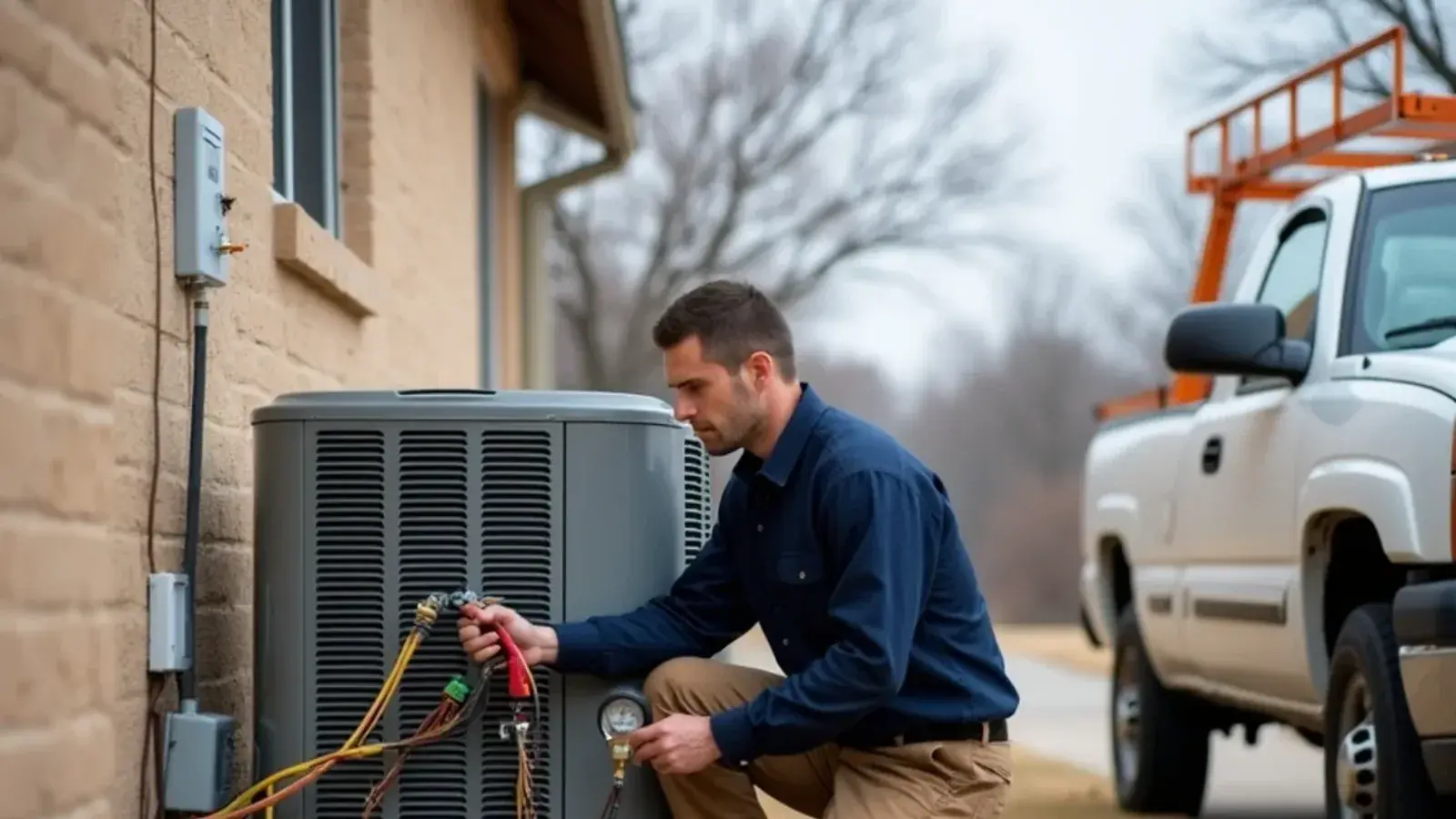
If you're replacing an air conditioner in Rio Grande City, a heat pump is worth a serious look. It looks and works like a regular AC through the summer, then flips its refrigerant flow when a cold front arrives and heats the house far more efficiently than strips alone. We handle heat pump installation, repair and maintenance for split, packaged and ductless systems.
Because a heat pump does double duty here, it also gets more wear than most heating equipment. On January 26 and 27, 2026, Rio Grande City bottomed out at 25°F, the kind of morning when a heat pump's backup strips earn their place.
How does a heat pump make heat when it's cold out?
Even on a chilly night, outdoor air holds heat. A heat pump uses the same refrigerant loop as an AC, but a part called the reversing valve sends the refrigerant the other way. The outdoor coil becomes the cold side and soaks up heat from the air; the indoor coil becomes the hot side and releases it into your ducts.
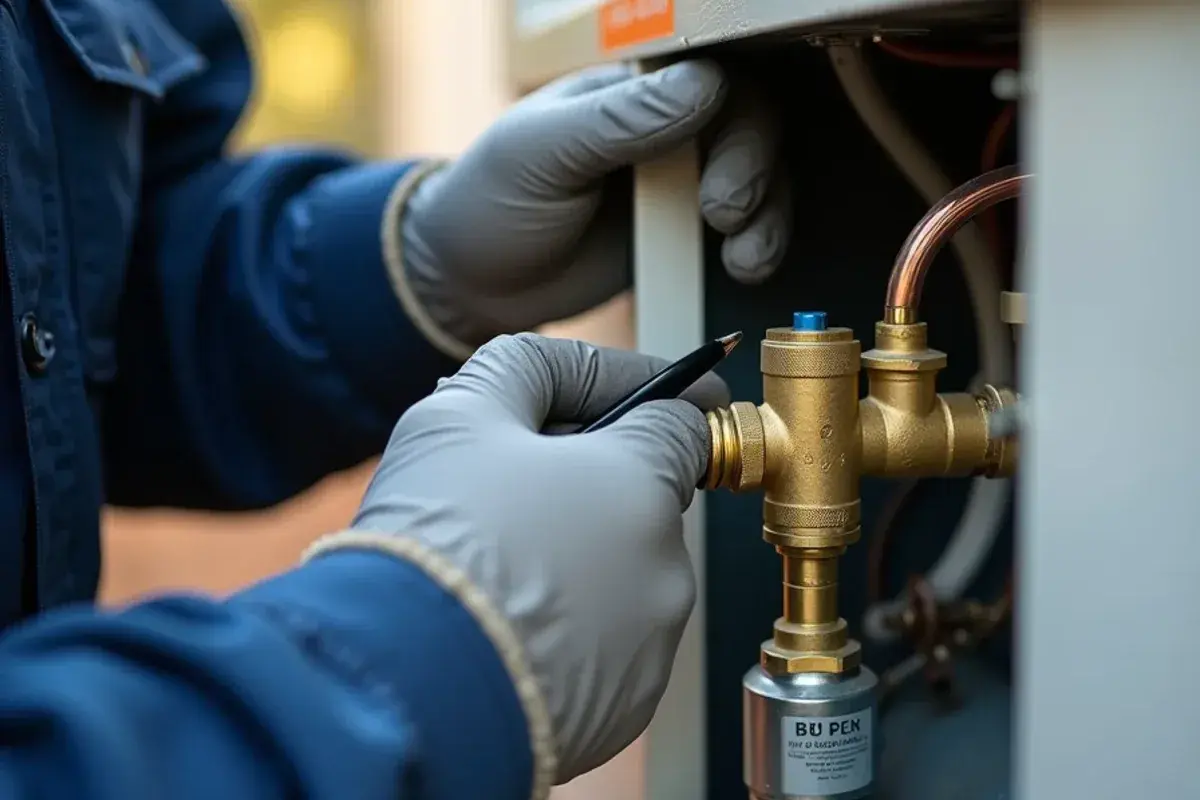
Three features come with that design:
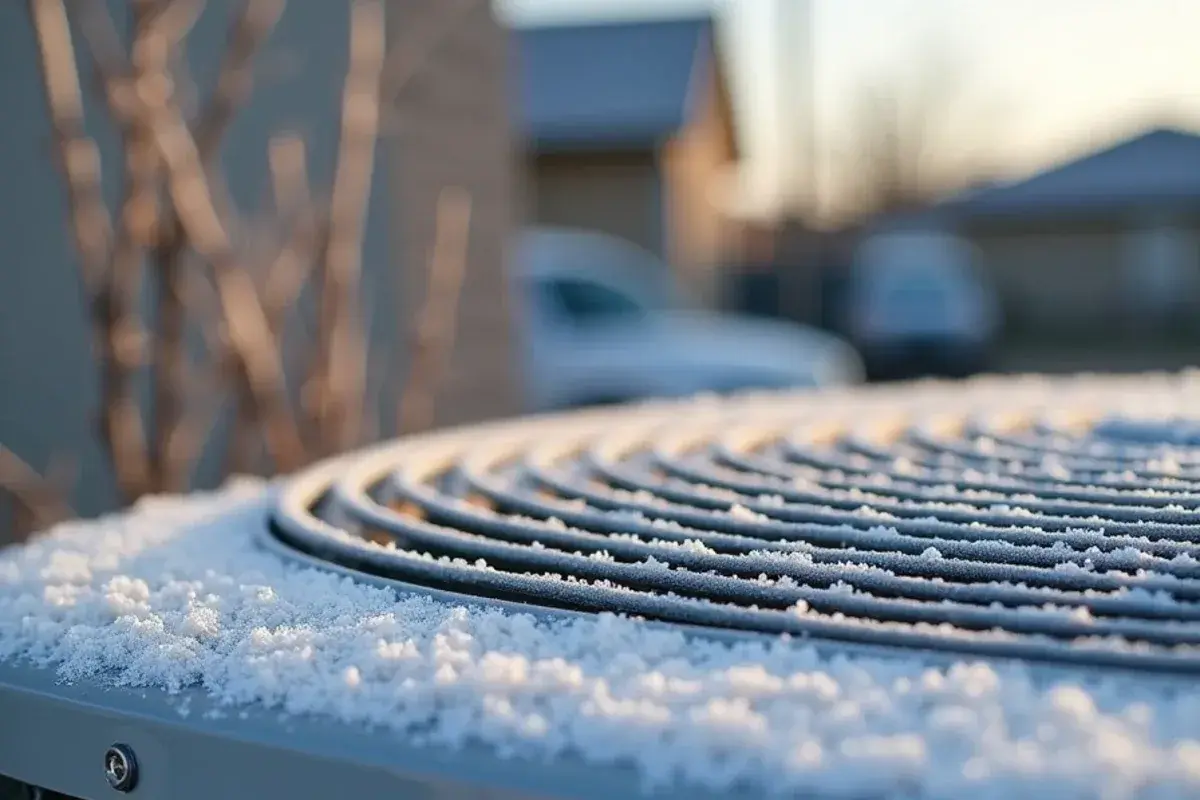
- Defrost. When the outdoor coil gets cold and damp, frost builds on it. Every so often the system briefly switches back to cooling mode to melt it. You may see steam, hear a whoosh and feel cooler air for a few minutes.
- Auxiliary heat. Backup heat strips in the air handler switch on by themselves when the heat pump can't keep up or during defrost. The thermostat often shows "aux" when they run.
- Emergency heat. A thermostat setting that shuts the outdoor unit off and runs only the strips. Use it if the outdoor unit is damaged or iced solid, then call for service, because strips alone use much more power.
Heat pump vs AC with heat strips in a Valley winter
Most homes in the area run a straight AC with strips for heat. Here is how a heat pump compares.
| Question | AC + heat strips | Heat pump + backup strips |
|---|---|---|
| Summer cooling | Same | Same |
| Winter power use | High, every hour of heat comes from strips | Much lower in mild cold; strips help only when needed |
| Hard freeze performance | Steady, as long as power is on | Heat pump output drops; strips carry more of the load |
| Moving parts | Fewer | Adds reversing valve and defrost controls |
| Outdoor unit use | Summer only | Year-round |
Winter Storm Uri in February 2021 was a good reminder that no electric system heats without power, and that heat pumps in deep cold lean on their strips. For most of our winters, though, temperatures sit in the range where a heat pump does its best work. Our post on heat pumps vs heat strips for Valley winters goes deeper into that comparison. If you're weighing a new heating setup more broadly, heating installation options compares gas and electric too.
Split, packaged or ductless mini-split?
Split system
The most common setup: an outdoor heat pump paired with an indoor air handler that holds the blower, indoor coil and backup heat kit. It fits homes with a hall closet, garage or attic space for the air handler.
Mini-split heat pump
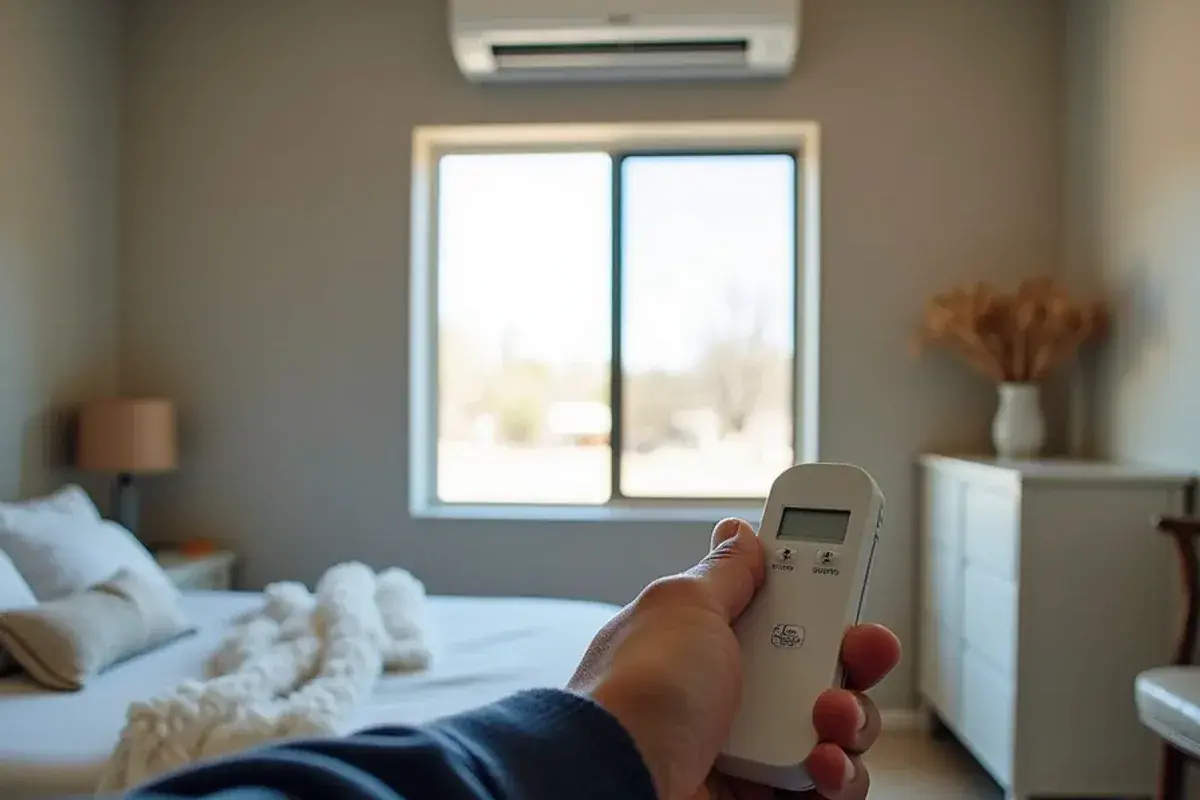
Most ductless mini-splits sold today can heat as well as cool. They're a good answer for room additions, converted garages and homes moving off window units. See mini-split installation for how zoning and line-set runs are planned.
Packaged heat pump
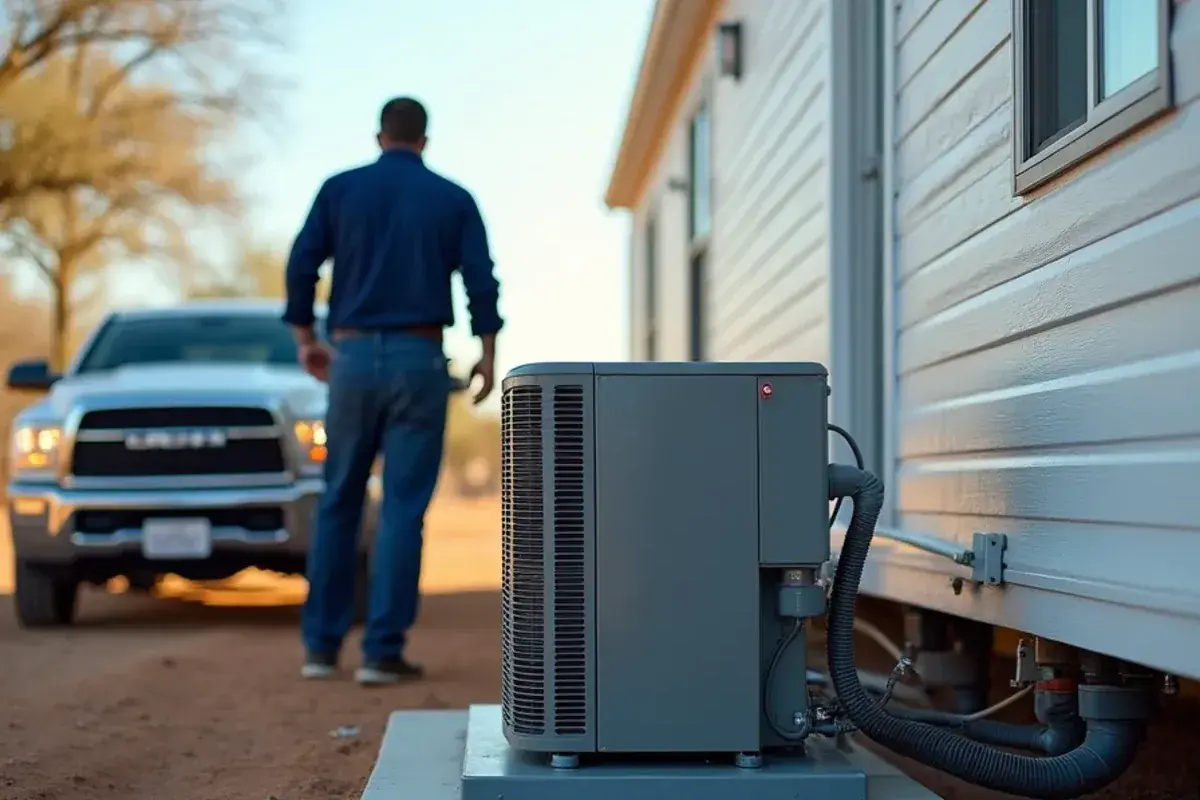
Everything lives in one outdoor cabinet, with ducts running into the house. It suits manufactured homes and slab homes without indoor space for equipment.
Heat pump repairs we handle most
- Cool air in heat mode. Beyond normal defrost, this often traces to a reversing valve stuck after a long summer in cooling, a failed solenoid coil or a low refrigerant charge from a leak.
- Ice that won't clear. A bad defrost sensor or control board lets frost build into solid ice, choking airflow over the coil.
- Aux heat running constantly. Thermostat setup, a weak compressor or low charge can push the work onto the strips and spike the bill.
- Outdoor unit dead. Failed capacitors and contactors, and fire ants packed into the contactor, stop the unit cold.
- Dirty coil. Caliche dust on the fins hurts heating and cooling alike.
Refrigerant work follows EPA Section 608 rules for recovery and handling. For general heater faults, including heat strip and breaker problems, see heater and furnace repair.
Installation, upkeep and what affects the cost
Sizing. In this climate the cooling load decides the heat pump size, and the backup heat kit is sized for the coldest nights. Both should come from a load estimate of your home, not the label on the old unit.
Efficiency ratings. SEER2 measures cooling efficiency and HSPF2 measures heating efficiency; both replaced older ratings in 2023. Higher ratings cost more up front and save power over time.
Refrigerant. New residential systems moved away from R-410A starting in 2025 toward lower-GWP refrigerants like R-454B and R-32, which affects which indoor and outdoor parts can be matched.
How a heat pump install goes
- Load estimate. Room sizes, windows, walls and insulation set the cooling capacity, and coldest-night heat loss sets the backup kit.
- Matched equipment. Outdoor unit, indoor coil or air handler and heat kit are chosen as an AHRI-certified match, the pairing behind the published SEER2 and HSPF2 numbers and many rebate forms.
- Pad, line set and drain. The outdoor unit sits level with clearance for airflow and defrost melt water, and the line set and condensate drain are run and secured.
- Evacuate and charge. The fresh line set holds pressure first, then a vacuum pump draws out air and moisture before the charge is set to the manufacturer's figures.
- Both modes tested. Cooling, heating and a forced defrost all run, with readings at the vents and amp readings on the backup strips.
- Thermostat set up for a heat pump. Aux heat staging and, where the thermostat supports it, an outdoor-temperature lockout that keeps strips off on mild nights.
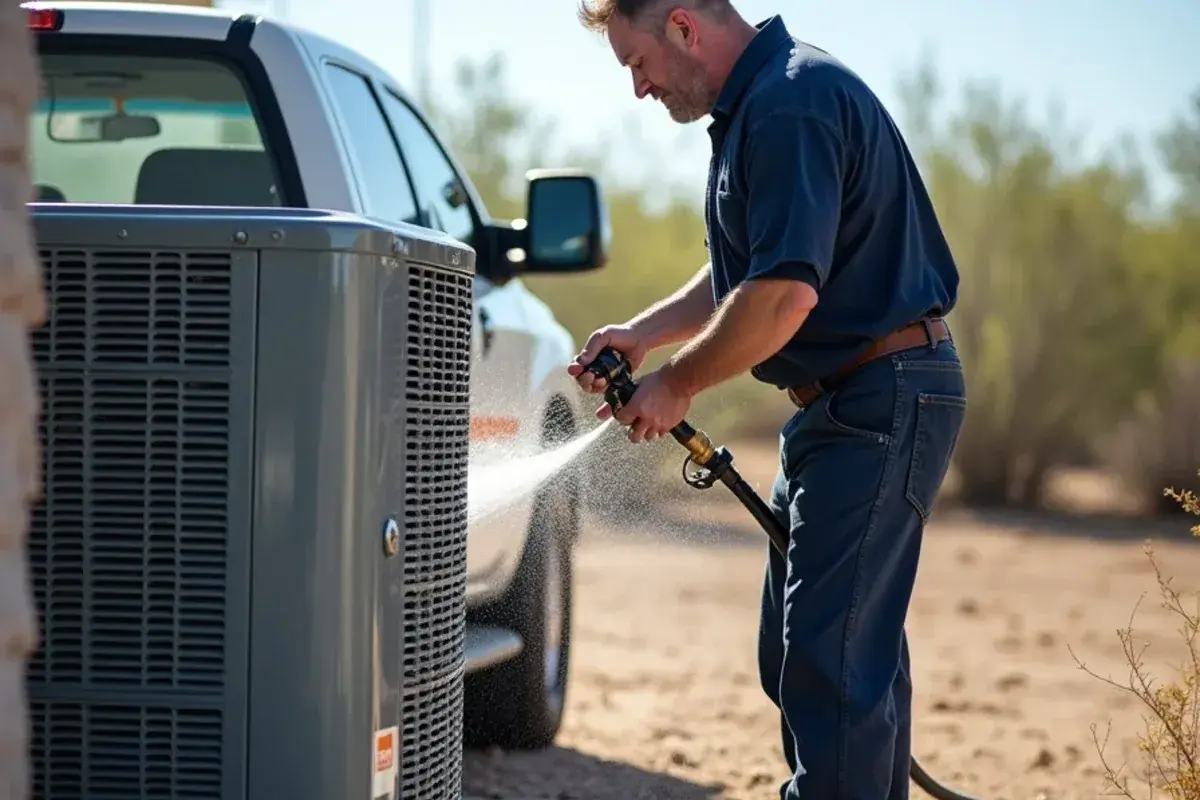
Maintenance. Since a heat pump runs most of the year, a spring and fall visit makes sense: coil washing, filter, electrical checks, refrigerant readings, and testing both heating and cooling modes plus defrost.
What moves the price. Heat pump replacement cost comes down to a handful of variables:
- Capacity and efficiency tier. More tonnage and higher SEER2 and HSPF2 ratings cost more up front and less to run.
- System style. Ducted split, packaged or ductless, and each mini-split zone adds a head, line set and wiring.
- What stays. Keeping a compatible air handler and heat kit costs less than a new indoor side, but only when the AHRI match still holds.
- Ducts and electrical. Duct repairs, a new circuit or a disconnect add labor and materials.
- Pad and haul-off. A new condenser pad if the old one has sunk, plus removal of the old system.
We quote after seeing the house, and financing is available.
Ratings, refrigerant and licence rules for heat pumps
Federal efficiency floors apply to every new unit: a split heat pump must reach 14.3 SEER2 and 7.5 HSPF2, and a packaged one 13.4 SEER2 and 6.7 HSPF2, under Department of Energy standards in force since 2023. The EPA's refrigerant transition moved new systems to lower-impact refrigerants like R-454B and R-32, and a 2026 EPA rule dropped the cutoff for installing units assembled from pre-2025 R-410A components, so quotes may show either. Recovering or charging refrigerant falls under EPA Section 608.
Anyone installing a heat pump for pay in Texas needs an air conditioning contractor licence from TDLR, which you can confirm through the agency's online lookup. New equipment carries the manufacturer's warranty, usually with a registration step. The federal 25C credit isn't available for 2026 installs, so ask your utility about rebates.
Heat pump work from 956 Multi Service
Since July 2024, when 956 Multi Service opened in Rio Grande City, ductless heat pumps, from mini-splits we install to DIY units like Mr. Cool, have been a big part of our week.
- Mini-split depth. Installs, repairs and deep cleaning on ductless heat pumps, including DIY models bought online.
- Warranty lookups. We check manufacturer coverage by serial number before you pay for a part that may be covered.
- Same day when possible. With room on the board, a heat pump fix or even a new system can be wrapped up on the same day you phone.
- Reviews and hours. A 5.0 average from 41 Google reviews, and calls taken from 8 to 7 every day but Sunday.
- Payment. Cash or a major card, with financing for new systems.
Google reviews that mention work like heat pumps
5.0 out of 5 from 41 Google reviews
“Both gentlemen arrived punctually and were exceptionally well mannered and explained the whole process. They diligently completed the service I needed and delivered an exceptional job! I will definitely reach out to them again for any future work I may need. Highly recommend!”
Response from the owner: Thank you 💯
“Great service!! They were very responsive and helpful, and they were able to resolve my issue quickly. I would definitely recommend this company to others.”
“Great work, very detailed, clean and efficient job well done. 10/10 would recommend anyone needing minisplit work or any other work around the house.”
Is a heat pump worth it here? Questions we hear
Is a heat pump a good fit for the Rio Grande Valley climate?
For most homes, yes. A heat pump is an air conditioner first, and it does that job just as well as a straight AC. The difference is in winter: our cold spells are usually mild enough for a heat pump to heat efficiently, using far less power than heat strips alone. On the rare hard freeze, backup strips take over the extra load, so you still need a correctly sized heat kit.
Why is my heat pump blowing cool air in winter?
A short burst of cool air for a few minutes, with the outdoor fan stopped and steam rising outside, is a normal defrost cycle. If the air stays lukewarm, the cause may be a stuck reversing valve, low refrigerant, a failed defrost control or backup strips that aren't coming on. Heat pump air also feels cooler to the hand than furnace air even when it is working properly.
How long does a heat pump last in South Texas?
Industry sources commonly put heat pump life at roughly 10 to 15 years, but here the unit cools for most of the year and heats on top of that, so it builds up run hours faster than one in a milder place. Regular coil washing, clean filters, sound electrical parts and a correct refrigerant charge all help. Units that sit in constant caliche dust without regular washing tend to wear out sooner.
Will a heat pump keep my house warm when it's 25 degrees outside?
Yes, with help from its backup strips. A heat pump's own output drops as outdoor air gets colder, so on a morning like January 26, 2026, when Rio Grande City hit 25°F, the auxiliary heat kit carries part of the load. That is why the kit is sized for the coldest nights and the thermostat's aux staging matters. During a power outage, no electric heat runs.
Can a heat pump replace my AC and heat strips?
It replaces the AC completely and takes over most of the work your heat strips do now. You would normally keep a heat kit in the air handler as backup heat for hard freezes and defrost cycles, but it runs far less often. If your current strips are healthy and the air handler is compatible, they can sometimes stay. Otherwise a matched air handler and kit go in with the new outdoor unit.
Still have a question about heat pumps? Ask us directly.
Call (213) 423-7827Where we handle heat pumps
- Heat Pumps in Roma, TXDuctless heat pumps suit thick-walled historic buildings that have no room for duct chases.
- Heat Pumps in Las Lomas, TXCaliche dust on the outdoor coil cuts heat pump output in winter as badly as it hurts summer cooling.
- Heat Pumps in La Puerta, TXHomes beside small roadside businesses on US-83 mix residential heat pumps with light commercial units on one route.
- Heat Pumps in Hidalgo CountyFast-growing subdivisions bring first-time owners weighing a heat pump once the builder AC wears out.
- Heat Pumps in Mission, TXWinter Texans want heat in January, and both park models and citrus-era homes suit heat pumps.
- Heat Pumps in Alamo, TXRV and mobile-home parks full of winter visitors run park-model heat pumps hard from fall to spring.
- Heat Pumps in North Alamo, TXDense mobile-home and RV parks lean on small heat pumps through the whole winter-visitor season.
- Heat Pumps in Garza-Salinas II, TXClose-set lots favor wall-mounted mini-split heat pumps on small pads over one large condenser.
- Heat Pumps in Mikes, TXPackaged heat pumps fit manufactured homes that have no indoor closet for an air handler.