
The thermostat reads 74, the AC has been running since breakfast, and the couch still feels damp. That combination is the reason most people look into a whole home dehumidifier in Rio Grande City. Sometimes a dehumidifier is the right answer. Often the first fix is cheaper: a setting, a duct leak or an AC that was never sized for the house.
Our job is to figure out which one you have. The steps below follow the order we work in, from the symptoms to the fix. For other air problems such as dust, pollen and odors, see the main indoor air quality page.
High humidity in the house: what it looks and smells like
You may not own a humidity meter, but the house tells you when moisture is too high:
- Rooms are cool to the touch yet feel damp on your skin.
- A musty smell from the AC, strongest right after the system kicks on.
- Water droplets on supply registers or on the inside of windows in the morning.
- Mildew on shoes, leather belts or clothes at the back of closets.
- Towels that never quite dry and bread that molds in a couple of days.
- Ceiling paint going gray or spotted around vents.
Mold already showing?
If you see mold on walls, ceilings or furniture, drying the air is only part of the fix. Large areas need a mold assessment and cleanup before or alongside humidity control.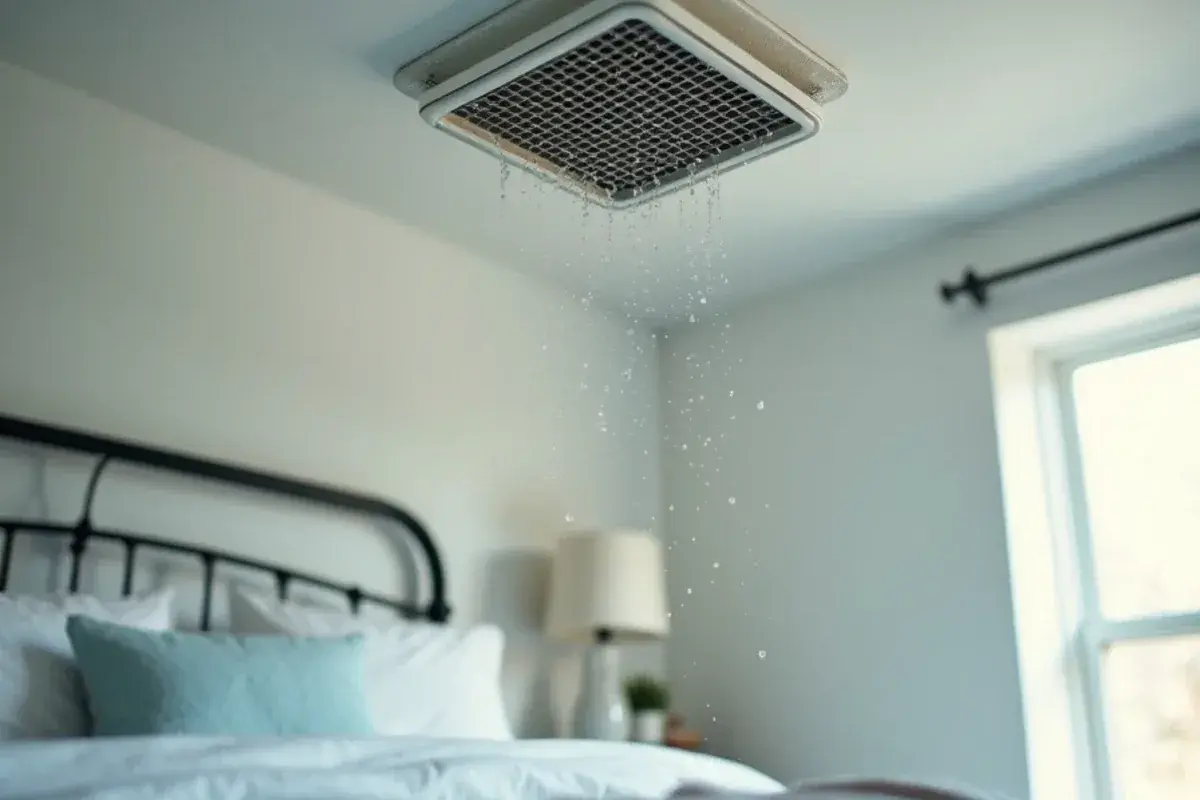
If you do own a meter and it reads above 60 percent indoors for days at a time, the EPA's guidance says that is high enough to encourage mold growth.
Why the AC stops removing humidity in homes near the river
Air conditioners dry the air as a side effect of cooling. Warm, humid air crosses a cold coil, moisture condenses on the fins and drips into a pan and out the drain. Anything that shortens or interrupts that process leaves water in the air.
An oversized system. A unit too big for the house hits the thermostat setting in a few minutes and shuts off. The coil barely gets cold and the water on it never drains before the cycle ends. This is the classic cause of a cold, clammy house, and it is common where a bigger unit was installed in hopes of beating the summer heat.
The fan set to "on." Between cycles the blower keeps pushing air across a wet coil and evaporates that water right back into the house.
Too much airflow. A blower set high moves air across the coil too fast for it to give up its moisture.
Leaky returns. A gap in a return duct, or a torn mobile-home belly, pulls in damp outside or crawl air.
Mild, muggy days. In spring and fall, and during humid stretches along the Rio Grande, it may be warm enough to feel sticky but not hot enough for the AC to run long.
How we track down a humidity problem
- Measure. Temperature and relative humidity in several rooms and outdoors, so we know how far off target you are.
- Watch a cycle. How long the AC runs, how long it rests and what the fan does in between.
- Check the coil and airflow. Coil temperature, blower speed setting and filter condition all affect moisture removal.
- Compare size to the house. A load calculation, the standard method of estimating how much cooling a home needs, shows whether the equipment is oversized.
- Look for leaks and growth. Return ducts, drain pan and coil surfaces, since a damp system can also be a moldy one.

Why 956 Multi Service checks the AC before selling a dehumidifier
A dehumidifier is real money, and a fan setting or a leaky return can be the whole story. We are a small local crew that opened in Rio Grande City in July 2024, holding a 5.0 average across 41 Google reviews that often mention a technician who explained the process. If the fix is a setting or a seal, it can often be done that same day, schedule permitting. Weekday and Saturday calls are answered from 8 in the morning until 7, with Sundays closed. For an install, we take cash, Visa, MasterCard, American Express and Discover, and financing is available.
Fix the AC first or add a dehumidifier?
Settings and small adjustments
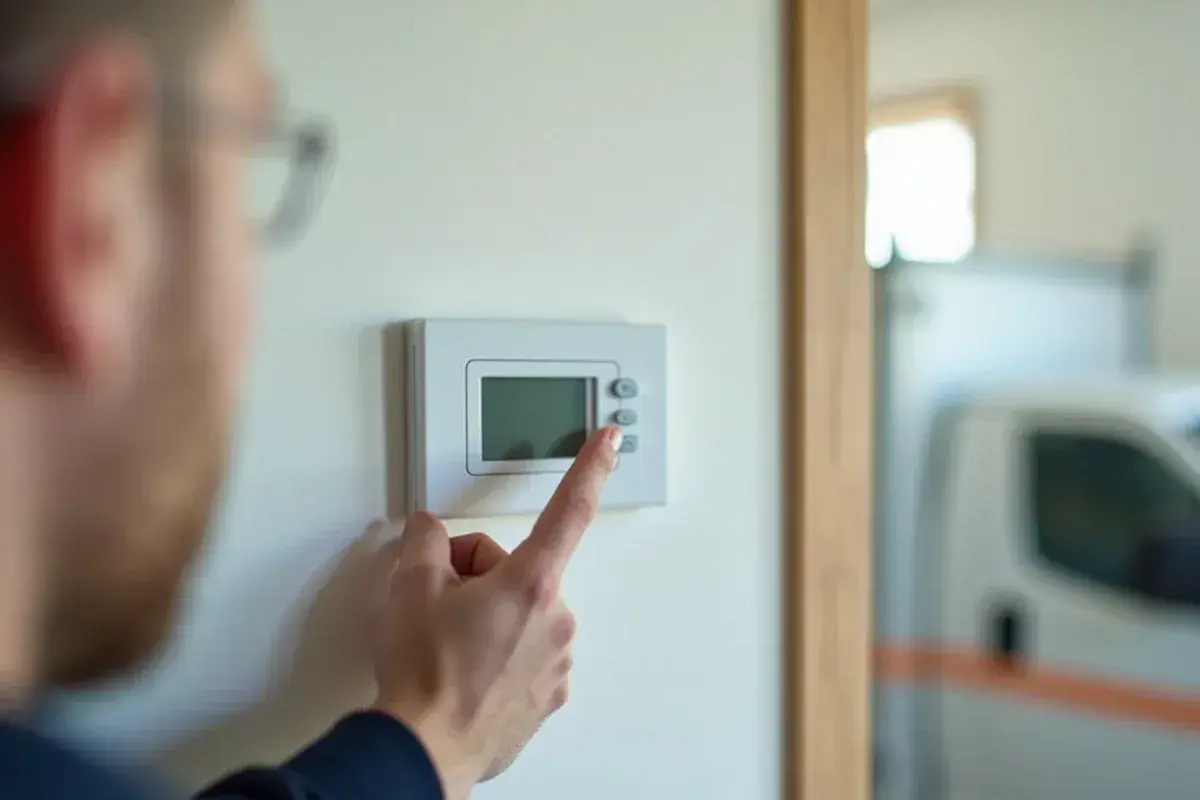
Switching the fan to auto, lowering blower speed or turning on a dehumidify mode on variable-speed equipment can make a noticeable difference at little cost. A thermostat with humidity control helps manage it.
Sealing what lets damp air in
Sealing return ducts and the air handler cabinet keeps humid attic and outside air out of the system. Our duct sealing page explains the process.
Right-sizing at replacement
If the AC is oversized and near the end of its life, the long-term fix is a properly sized or variable-speed system. We cover sizing on the AC replacement page.
Whole-home dehumidifier installation
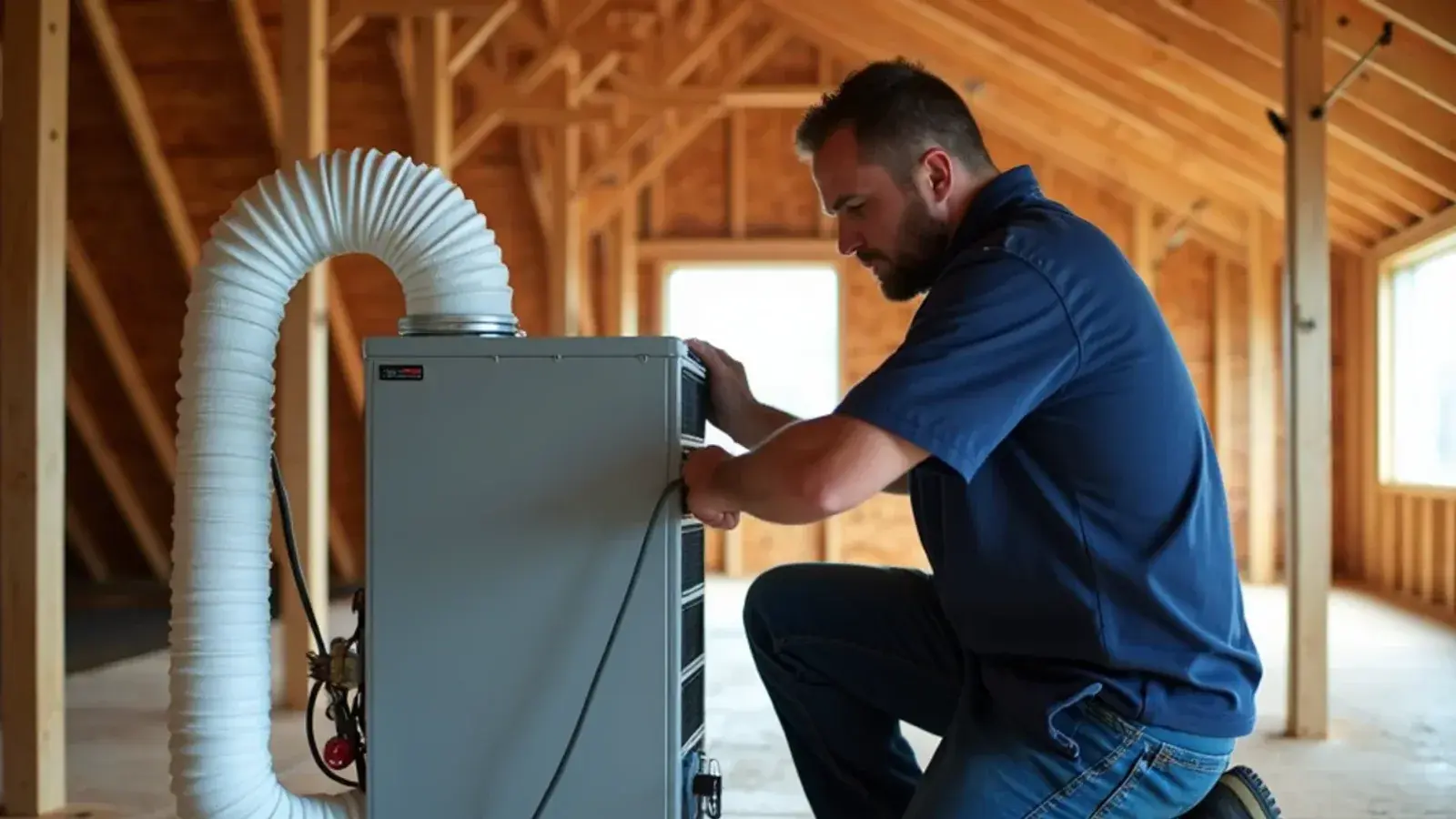
When the AC alone can't hold humidity down, a ducted dehumidifier takes over. It mounts near the air handler, draws air from the return, removes moisture and sends dry air back into the duct system. It has its own humidity control, so it can run on muggy days when the AC is resting. Capacity is rated in pints of water per day and is chosen for the size and load of your home. A portable unit can handle one room, but it needs emptying and only helps where it sits.
Dehumidifier install day and the cost factors behind it
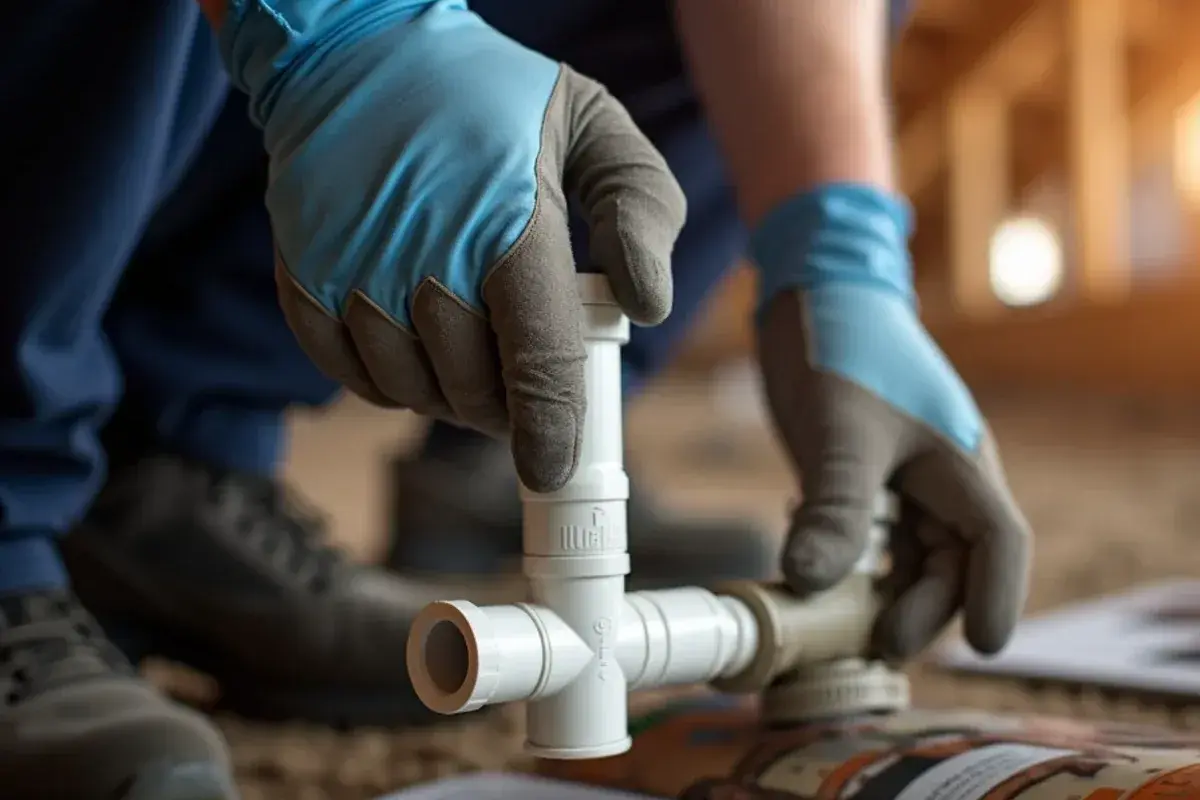
Installation usually takes part or all of a day. We set the unit on a platform or hanger, connect supply and return ducting, run its condensate line into the existing drain with a trap, add a circuit if needed and set the humidity control.
What moves the cost:
- Capacity of the dehumidifier.
- Ducting layout, including whether it ties into the return or delivers to a supply.
- Location and access, such as an attic platform versus a hall closet.
- Electrical work for a dedicated circuit.
- Drain routing, and whether a condensate pump is needed.
- Related fixes, such as duct sealing or thermostat upgrades done at the same time.
Afterward, change the dehumidifier filter on the maker's schedule, keep the condensate drain clear and run bathroom and kitchen exhaust fans. Equipment is covered by the manufacturer's warranty.
Drain, electrical and licensing rules for a dehumidifier install
A ducted dehumidifier ties into the home's A/C system, and Texas licenses that work through TDLR; check any installer's licence on TDLR's website. The International Residential Code requires a secondary drain or an auxiliary pan with a float switch under a cooling coil wherever an overflow would damage the building, and attic dehumidifiers get the same protection. If a condensate pump is used, it should be wired so the unit shuts off when the pump fails. A new dedicated circuit may need an electrical permit from your city's building office, and rules differ outside city limits. Federal Department of Energy standards set minimum efficiency for whole-home dehumidifiers, so compare the rated integrated energy factor between models.
Google reviews that mention work like whole-home dehumidifiers
5.0 out of 5 from 41 Google reviews
“Both gentlemen arrived punctually and were exceptionally well mannered and explained the whole process. They diligently completed the service I needed and delivered an exceptional job! I will definitely reach out to them again for any future work I may need. Highly recommend!”
Response from the owner: Thank you 💯
“Great service!! They were very responsive and helpful, and they were able to resolve my issue quickly. I would definitely recommend this company to others.”
“Great work, very detailed, clean and efficient job well done. 10/10 would recommend anyone needing minisplit work or any other work around the house.”
Questions about humidity, clammy rooms and dehumidifiers?
Why does my house feel humid even when the AC is running?
An AC removes moisture only while its coil is cold and running long enough for water to drip off and drain away. Short cycles, a fan left on between cycles, high blower speed, a dirty coil or leaky return ducts pulling in muggy air all cut that drying. On mild, humid days the system may barely run at all, so the air cools a little but stays damp.
Is an oversized AC making my home clammy?
It is one of the most common reasons. A unit that is too large for the house cools the air quickly and shuts off before it has pulled much water out, so you get cool, sticky rooms and frequent on-off cycling. A load calculation compares the equipment to the home. If the system is oversized, settings changes and a dehumidifier can help now, and right-sizing helps at replacement.
What indoor humidity level should I aim for?
The EPA recommends keeping indoor relative humidity between about 30 and 50 percent, and below 60 percent to discourage mold. In this climate, holding the house somewhere in the 40s through summer is a realistic goal for most homes. An inexpensive hygrometer, or a thermostat that shows humidity, lets you see where you stand.
Can a whole-home dehumidifier run when the AC is off?
Yes, that is the main reason to have one. It has its own humidity control and blower, so on mild, muggy spring and fall days, when the AC barely runs, it keeps drying the air on its own. It does add a little heat as it works, which the AC handles once it cycles on. Its condensate line needs to drain year-round, so the drain gets a trap and a clear route.
Still have a question about whole-home dehumidifiers? Ask us directly.
Call (213) 423-7827Where we handle whole-home dehumidifiers
- Whole-Home Dehumidifiers in El Refugio, TXLower ground toward the river keeps El Refugio humid after summer storms, so indoor humidity often runs high.
- Whole-Home Dehumidifiers in Fronton, TXRiver-edge homes in Fronton deal with muggy air that a short-cycling AC cannot dry by itself.
- Whole-Home Dehumidifiers in Los Ebanos, TXSmall river-bottom homes in Los Ebanos face flood-season moisture that lingers indoors long after the rain.
- Whole-Home Dehumidifiers in South Alamo, TXOlder South Alamo homes near the levee see mold on coils and ducts when humidity is never brought down.
- Whole-Home Dehumidifiers in Palmview South, TXLow ground between US-83 and the river in Palmview South makes the rainy season damp inside as well as out.
- Whole-Home Dehumidifiers in Roma, TXThick masonry homes on the Roma bluff can hold moisture, so we measure humidity before adding equipment.
- Whole-Home Dehumidifiers in Cameron CountyWestern Cameron County's humid resaca country is where a ducted dehumidifier most often earns its place.
- Whole-Home Dehumidifiers in Salineño, TXSalineño weekend houses closed for weeks build up damp, musty air that needs drying before summer.
- Whole-Home Dehumidifiers in Starr CountyAcross Starr County, oversized units put in to beat the heat are the most common cause of clammy rooms.