
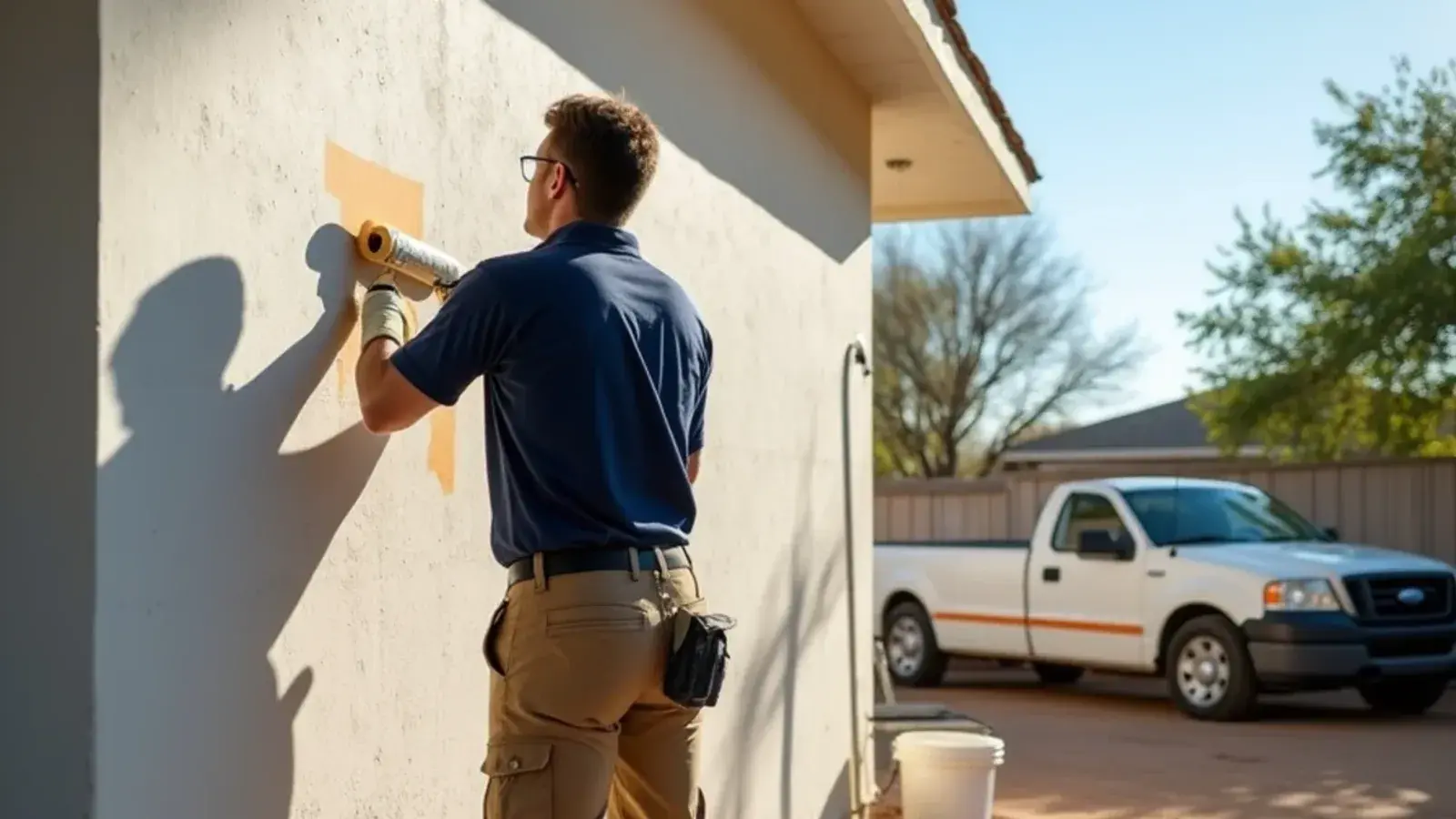
The best exterior paint for Texas heat is usually a high-quality 100 percent acrylic in a light color, or an elastomeric coating on cracked stucco and block. Paint alone does not make it last, though. Thorough washing, scraping, crack repair, the right primer and painting each wall while it is shaded matter just as much.
In Rio Grande City and across the Valley, sun, heat and humidity attack paint from every direction. UV light breaks down binders and fades color, surfaces swing from cool mornings to scorching afternoons, and humid stretches near the river feed mildew.
How the sun breaks down exterior paint
Paint is pigment held in a binder. Ultraviolet light slowly breaks that binder down, which is why old paint turns chalky and leaves powder on your hand. Heat makes surfaces expand and contract daily, which cracks brittle paint and loosens it from wood trim. Moisture behind the paint, from cracks, leaks or humid air, pushes it off from the inside and causes blistering.
West- and south-facing walls take the most punishment. They often fade and peel years before the north side of the same house.
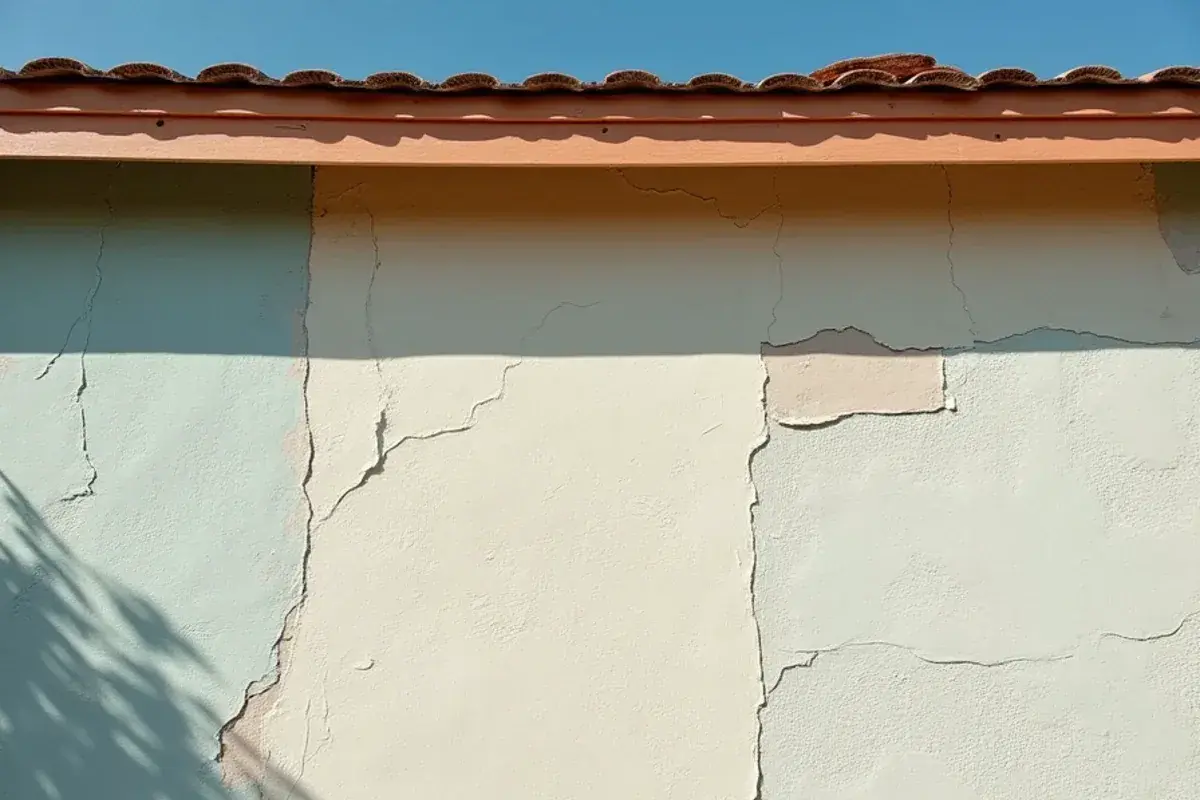
Picking paint for each surface
Many homes here mix materials: stucco, painted block, wood fascia and trim, metal doors and railings. Each needs its own approach.
| Surface | Prep | Primer | Topcoat |
|---|---|---|---|
| Stucco | Wash, fill cracks, let patches cure | Masonry or alkali-resistant primer on new or patched areas | 100% acrylic or elastomeric |
| Painted or bare concrete block | Wash, remove efflorescence, fill gaps | Block filler or masonry primer on bare block | 100% acrylic or elastomeric |
| Wood trim and fascia | Scrape loose paint, sand edges, replace rot, caulk joints | Exterior primer on bare wood | 100% acrylic, satin or semi-gloss |
| Metal doors, railings, roof edges | Remove rust, clean, sand glossy areas | Rust-inhibiting metal primer | Exterior acrylic or enamel rated for metal |
| Fiber cement siding | Wash, caulk joints | Usually only on bare spots | 100% acrylic |
Acrylic versus elastomeric
A 100 percent acrylic exterior paint stays flexible, resists UV well and lets some moisture vapor escape. It is the safe default for most surfaces.
Elastomeric coatings go on much thicker and stretch to bridge hairline cracks, which makes them popular on stucco and block. They also seal more tightly, so walls must be dry and any moisture problems fixed first, or trapped water can cause blistering.
Color and sheen
Lighter colors reflect more sunlight and keep walls cooler, and they hide fading better. Deep reds, blues and dark grays fade fastest in strong sun. Flat or low-sheen finishes hide surface texture on stucco; satin or semi-gloss on trim is easier to clean and sheds water.
Prep steps that make the paint last
Most early paint failures trace back to skipped prep, not bad paint.
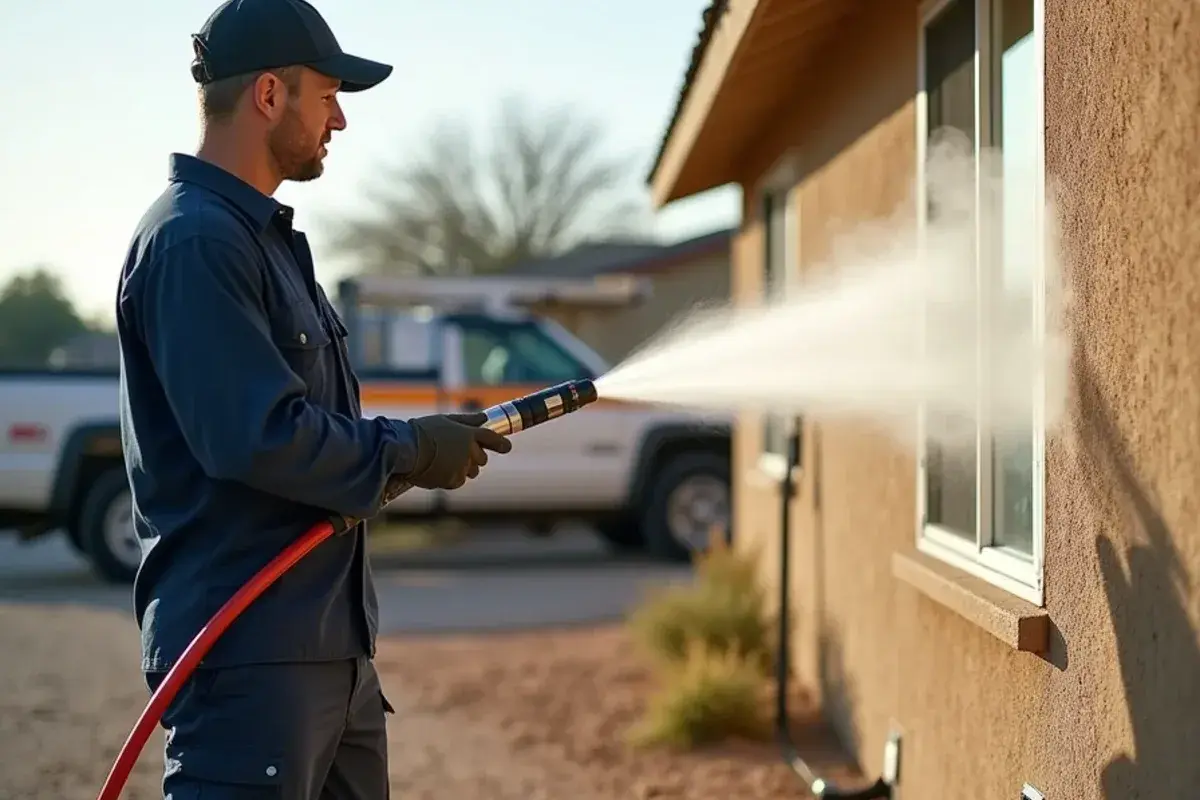
- Wash the whole house. Pressure washing or scrubbing removes dust, chalk and mildew. Let the walls dry fully before painting, often a day or more.
- Treat mildew on shaded or damp walls with a suitable cleaner.
- Scrape and sand all loose and peeling paint, and feather the edges so they do not show.
- Repair wood. Replace soft, rotted trim and fascia rather than painting over it.
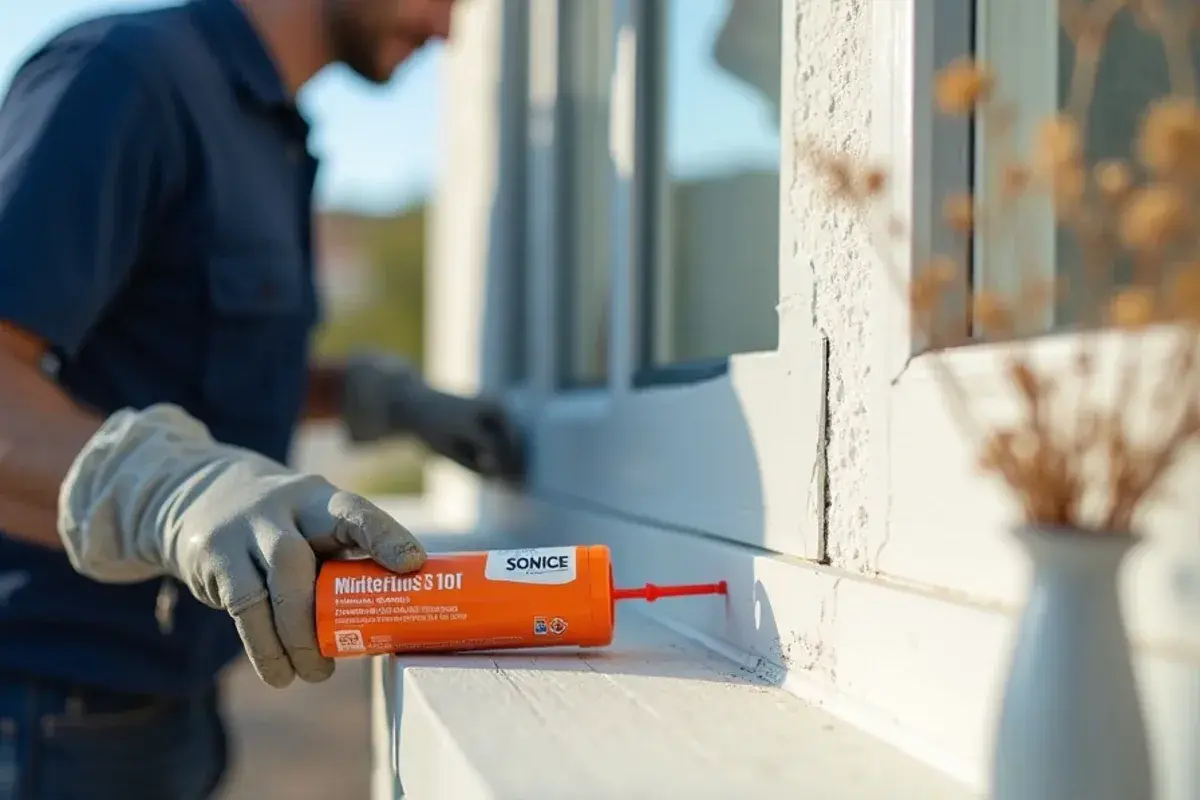
- Fill and caulk. Fill stucco cracks with a compatible patch and caulk gaps at trim, windows and doors with a paintable exterior caulk.
- Prime bare spots with the right primer for the material.
- Protect windows, fixtures, plants and the AC condenser from overspray and drips.
If your home was built before 1978, older layers may contain lead paint. Federal EPA rules require contractors who disturb paint in pre-1978 homes to follow lead-safe work practices, so ask about this before scraping starts.
A painter's read on the walls before any paint is chosen
The product decision comes last. Before that, a careful painter spends time testing what is already on the house, because the existing coating and the moisture in the wall decide what will stick.
Simple tests that steer the job
- Chalk test. Rub a dark cloth or your palm across a sunny wall. Heavy white or colored powder means the old binder has broken down, and the wall needs a thorough wash and often a bonding primer before new paint will grip.
- Tape test. Score a small crosshatch through the old paint, press tape over it and pull it off fast. Flakes on the tape mean the old layers are letting go, and painting over them only adds weight to a failing coat.
- Moisture check. A meter reading on block, stucco and wood trim, especially low on the wall and near sprinklers, gutters or the AC condensate line. Damp walls blister no matter how good the paint is.
- Efflorescence. White, crusty salt on block or stucco means water is moving through the wall. Find where it comes from and stop it before coating.
- Dew point. Many coating guides call for the surface to be at least 5°F warmer than the dew point. On humid river-valley mornings, walls can stay damp long after sunrise.
Trade-offs worth talking through
- Elastomeric is not always the upgrade. It bridges hairline cracks beautifully, but it breathes less than acrylic. On a block wall that wicks ground moisture, it can trap water and bubble.
- Spray, brush or roll. Spraying covers textured stucco and block fast; back-rolling right behind the sprayer pushes paint into pores and pinholes for a tougher film. Trim and doors are usually brushed.
- One coat or two. A color change, chalky walls or a sun-beaten west side generally need two full coats. One coat may look fine the first summer and fade unevenly by the second.
- Premium paint versus prep. If the budget only stretches so far, spend it on washing, scraping, repairs and primer. Top-shelf paint over a chalky, cracked surface still fails early.
- Dark colors on wood and metal. Deep colors run much hotter in direct sun, which stresses wood trim and can warp some materials. Check the product's guidance before choosing a dark trim color.
When to paint in the Valley
Paint labels list a minimum and maximum air and surface temperature. In summer, sunlit walls can get far hotter than the air, and paint applied to a hot surface dries too fast, leaving lap marks and weak adhesion.
- Follow the shade. Paint east walls in the afternoon and west walls in the morning.
- Start early and stop the hottest wall before midday sun hits it.
- Watch for dew and rain. Fresh paint needs time before evening dew or a storm.
- Pick mild months when possible. Fall and spring give the widest working window.
Cost factors for exterior painting
Painting prices depend on the size and height of the house, the number of colors, how much prep is needed (washing, scraping, wood repair, crack filling), the type of paint and number of coats, how much trim and detail work there is, and whether anything must be moved or protected. A house with peeling trim and cracked stucco takes much more labor than one that only needs a fresh coat.
Small repairs often go hand in hand with painting. Replacing rotted fascia, fixing a door frame or patching stucco before paint can be handled as handyman repairs on the same project, so the paint goes on over sound surfaces.
Painting homes across Starr County
Across Starr County, many homes are block or stucco with wood or metal trim, and owner-built additions often mean different materials meet at the same wall. Along the US-83 corridor in places like La Puerta, road dust settles on walls and should be washed off well before any coat goes on.
Our house painting service covers exterior prep, repairs and painting. Before you get an estimate, walk around the house and note which walls are peeling, where you see cracks, and which trim feels soft. That list shows what the prep will involve, which is where a long-lasting paint job really begins. When you have it, call (213) 423-7827, tell us the town and the walls that worry you most, and we can set a time to walk the house and talk through prep and paint.