
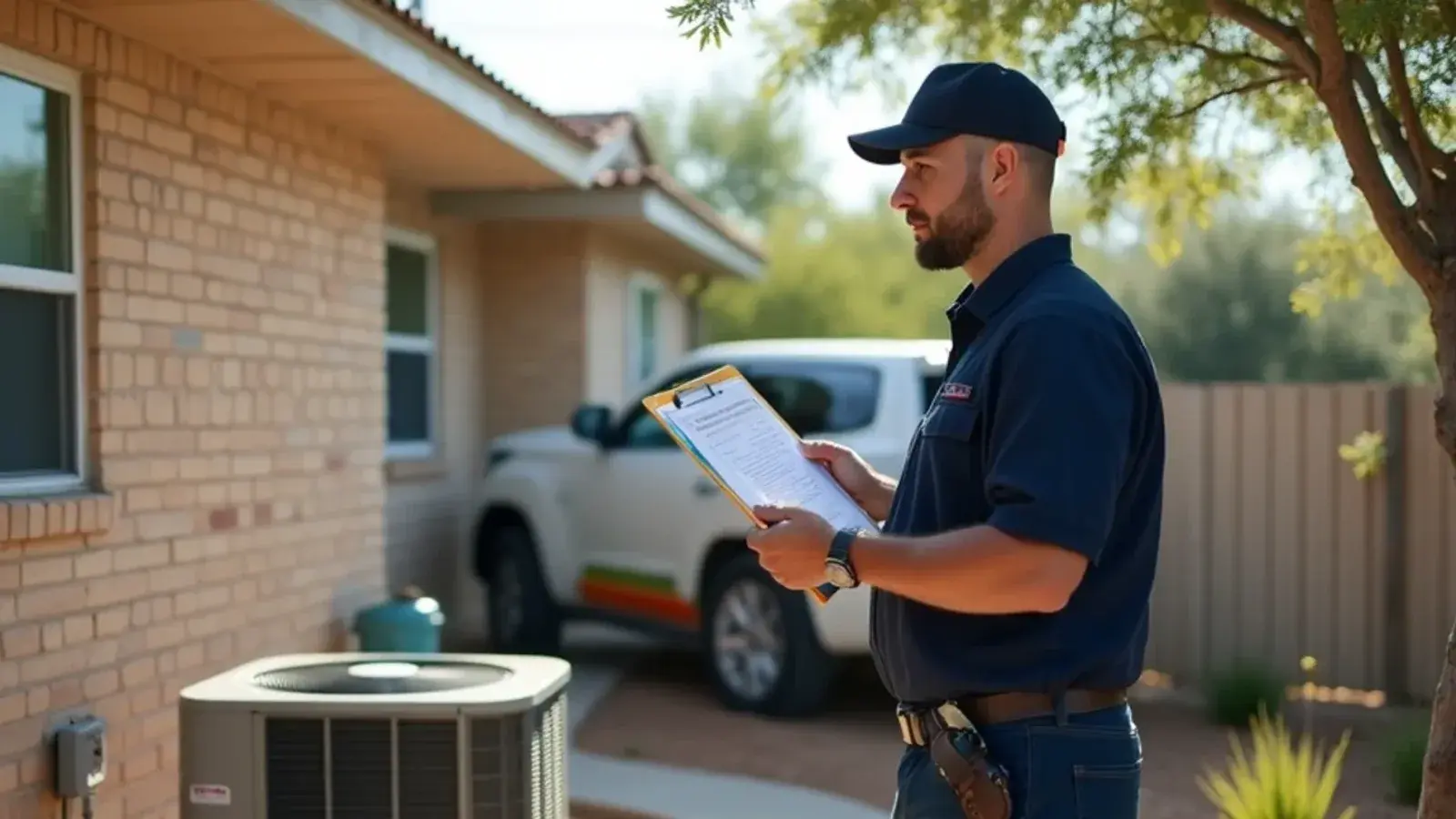
A home maintenance checklist for Rio Grande City is built around the cooling season: an AC tune-up and coil rinse in early spring, monthly filter checks all summer, storm prep before June 1, painting, concrete and a heating check in fall, and freeze prep for short but serious winter cold snaps.
That calendar looks different from one written for a cold northern climate. Here, the air conditioner works most of the year, caliche dust and pests are constant, and spreading the work across the months keeps any single weekend from turning into a marathon.
Month-by-month at a glance
| Month | Main tasks |
|---|---|
| January | Check heating and heat strips, cover outdoor faucets before freezes, inspect weatherstripping |
| February | Freeze watch, test smoke and carbon monoxide alarms, plan spring projects |
| March | Book AC tune-up, rinse condenser coil, start spring pest treatment |
| April | Change AC filter, flush condensate drain, check exterior paint and caulk |
| May | Clear brush around the AC unit, check attic insulation and vents, inspect roof |
| June | Hurricane season starts June 1: gutters, downspouts, storm supplies, trim trees |
| July | Monthly filter check, watch for water at the indoor unit, check for ants at the condenser |
| August | Peak heat: check AC performance, clean dryer vent, inspect window seals |
| September | Storm readiness check, inspect concrete and drainage after heavy rains |
| October | Fall pest treatment, schedule a fall AC or heating check, mild weather for painting and concrete |
| November | Test heating before the first cold front, check outdoor faucet covers |
| December | Freeze prep, look for leaks under sinks, review the year's repairs |
The sections below explain the seasonal tasks in a bit more detail.
Winter: brief cold, real risks
The Valley's cold snaps are short, but the February 2021 freeze during Winter Storm Uri burst pipes and knocked out power across Texas, including here in the Valley.
- Heating: run the heat pump or heater before the first cold front so you know it works. A burning smell for a few minutes on first use is normal dust; a persistent smell is not.
- Pipes and faucets: know where your main water shutoff is, insulate exposed pipes and cover outdoor faucets when a freeze is forecast.
- Drafts: check weatherstripping on doors and caulk around windows.
- Safety alarms: test smoke and carbon monoxide detectors, especially if you use gas heat or a space heater. The U.S. Fire Administration advises testing smoke alarms monthly and replacing them 10 years from the manufacture date printed on the back.
Spring: get ready for the long cooling season
Spring is the most important season for HVAC care in Rio Grande City.
- AC tune-up: schedule professional AC maintenance before the heat arrives, when the calendar is easier to book. A technician checks refrigerant system performance, electrical parts, coils and drains.
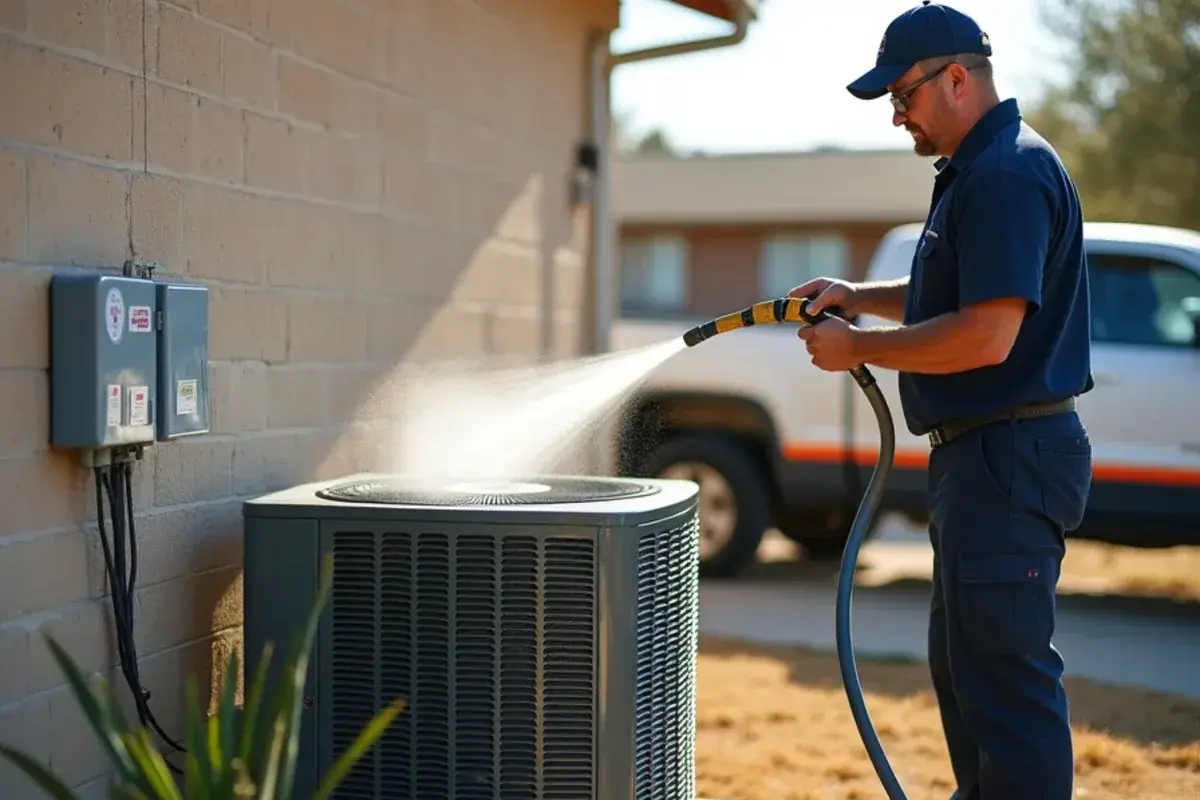
- Coil rinse: with the power off at the disconnect, gently rinse dust off the outdoor coil with a hose. Skip the pressure washer, since high pressure folds the thin aluminum fins flat.
- Filter and drain: change the filter and pour a cup of vinegar or clean water through the condensate drain access to check that it flows.
- Pest treatment: spring is the time for fire ant bait across the yard and treatment around the foundation.
- Paint and caulk: look at sun-facing walls and trim for peeling paint and cracked caulk.
Summer: heat, storms and pests
Summer is about keeping the AC working and preparing for storms.
- Filters: check monthly. A clogged filter cuts airflow, raises bills and can freeze the coil.
- Around the condenser: keep grass, brush and mesquite trimmed back, and watch for fire ants or mounds at the pad.
- Indoor unit: look for water around the air handler or in the drain pan, and clear the drain line if it is slow.
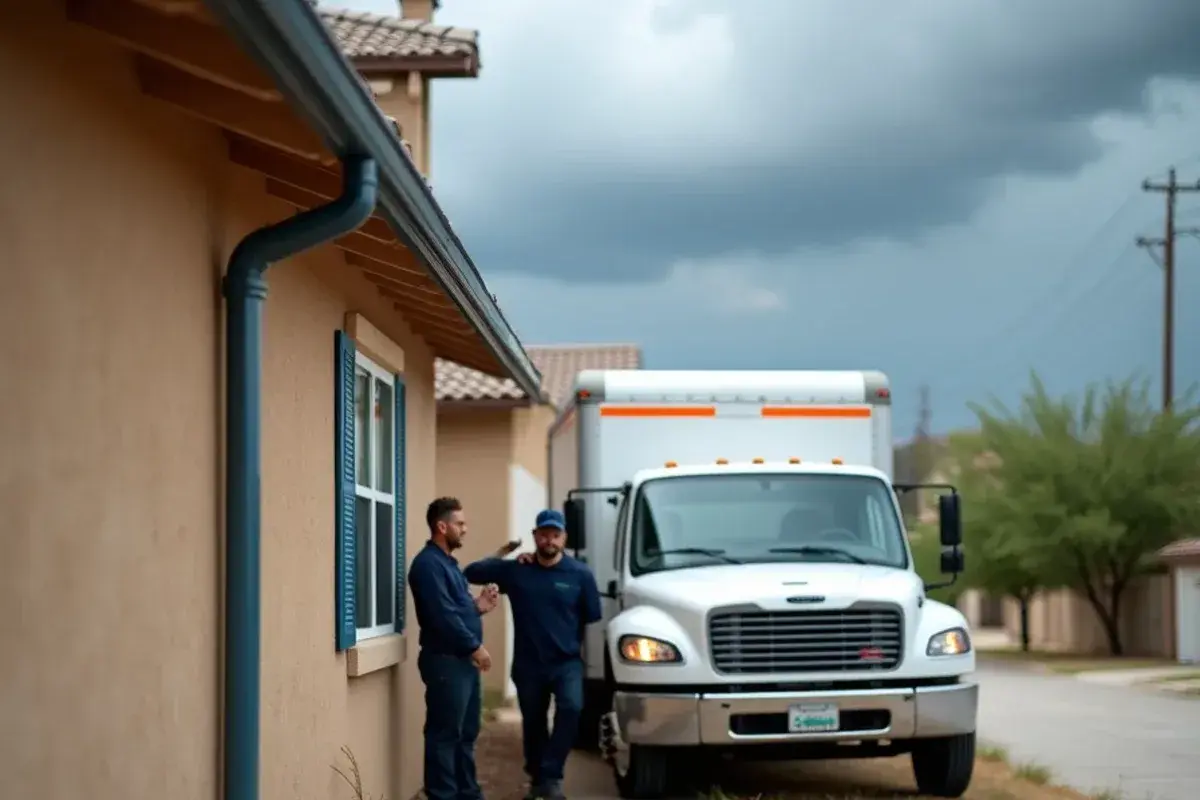
- Hurricane season runs June 1 through November 30. Clean gutters and downspouts, make sure water drains away from the foundation and AC pad, trim branches that overhang the roof, and stock flashlights, batteries and water.
- Attic: check that vents are open and insulation has not been disturbed.
Fall: the catch-up season
Fall weather in the Valley is the best time for outdoor projects that are hard in summer heat.
- Concrete and drainage: after the heavy rain months, look for cracked walkways, sinking pads and low spots where water stands.
- Painting: milder temperatures make exterior house painting easier and help paint cure properly.
- Second AC or heating check: a fall visit catches wear from the summer and confirms the heat works before the first cold front.
- Pest treatment: fall is the second yearly window for fire ant bait and perimeter treatment. Roaches and rodents also look for indoor shelter as nights cool.
Year-round habits that prevent bigger repairs
Some tasks belong on every month's list:
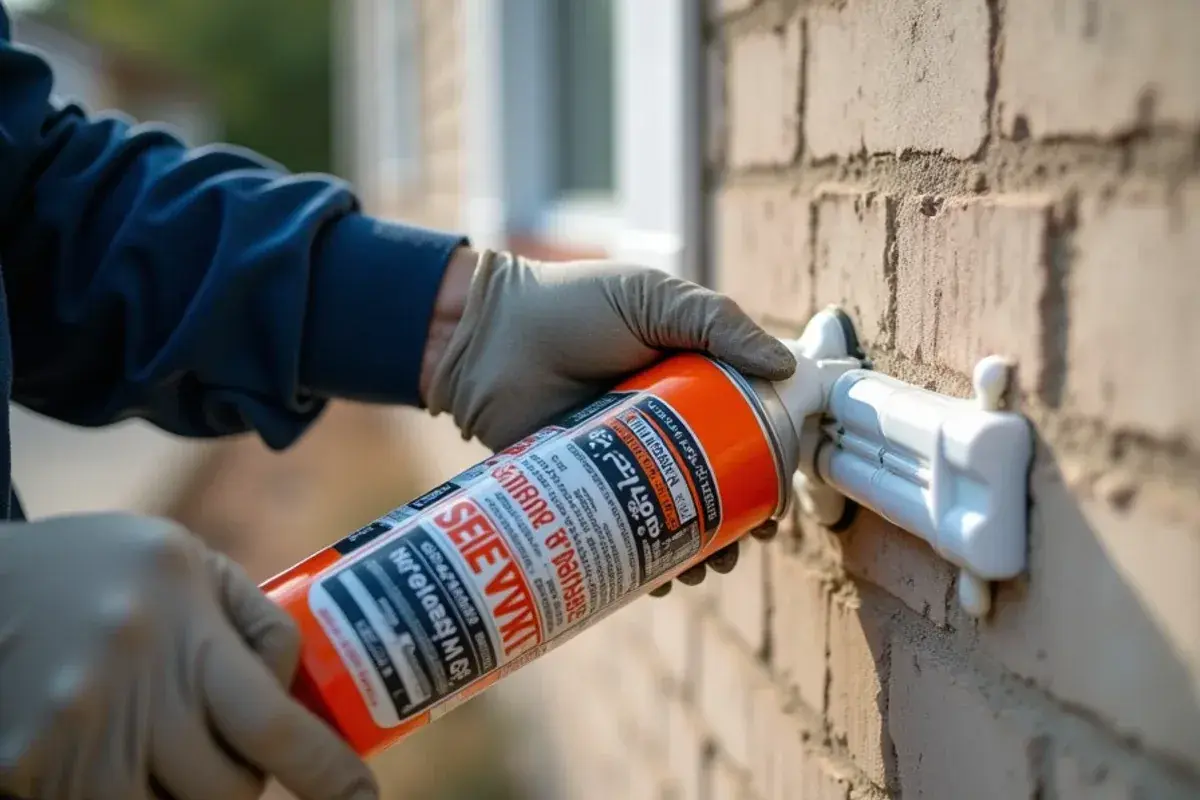
- Seal entry points. Gaps around pipes, AC line sets, cables and vents let in roaches, ants and rodents. Fill them with foam or caulk.
- Watch for water. Stains on ceilings, soft spots in floors and damp cabinets point to leaks that get worse if ignored.
- Keep the yard clear. Brush and debris piled against the house give pests cover and trap moisture.
- Write it down. A simple log of filter changes, service visits and repairs makes it easier to spot patterns.
Which jobs are yours, and which belong to a pro
A calendar only helps if the tasks on it are safe for the person doing them. Here is an honest split, based on what tends to go wrong when homeowners push past their comfort zone.
Safe to handle yourself
- Changing filters and writing the date on the frame.
- Rinsing the outdoor coil with a garden hose after switching off the disconnect.
- Pouring water through the condensate drain access and watching that it flows out at the end.
- Testing smoke and CO alarms, swapping batteries and checking manufacture dates.
- Cleaning gutters from a stable ladder on level ground, clearing brush from the condenser and spreading yard bait by the label.
Where a homeowner should stop
- Inside the AC cabinets. Capacitors hold a charge after the power is off, and refrigerant work requires EPA Section 608 certification.
- Summer attic work after mid-morning. Attics here get dangerously hot. Any attic task belongs in the early morning, with water and someone nearby.
- Gas appliances. A gas smell means leave the house and call the gas utility from outside.
- Roof walking. Wet, steep or old roofs are where most ladder injuries start.
What a pro tune-up adds that a homeowner cannot
A technician does more than clean. On a spring maintenance visit, the useful part is the measurements: the temperature drop across the indoor coil, compressor and fan motor amps, capacitor readings against their rating, refrigerant pressures, and a check that the drain safety switch actually shuts the system off. Those numbers catch a weak capacitor in March instead of on an August afternoon.
Getting help with the list
Not everyone has the time or tools for every task. Our handyman service covers small repairs like door adjustments, trim replacement, caulking and minor fixes. Seasonal pest treatments belong with a licensed pest control company: before anyone treats your house, ask to see the Texas Department of Agriculture licence that the state requires for paid structural pest work.
Homes across Starr County range from older block houses to manufactured homes and newer builds, and many owner-built homes in communities like B and E have additions built at different times, each with its own roof line, windows and AC. Walk through each part of the house with this calendar in hand.
Print the month-by-month table, tape it inside a cabinet door, and check off each month as you go. Small, regular steps cost far less than emergency repairs in August or a burst pipe in February. When it is time for the spring tune-up or a fall heating check, call (213) 423-7827 and tell us your town and what the system has been doing.