
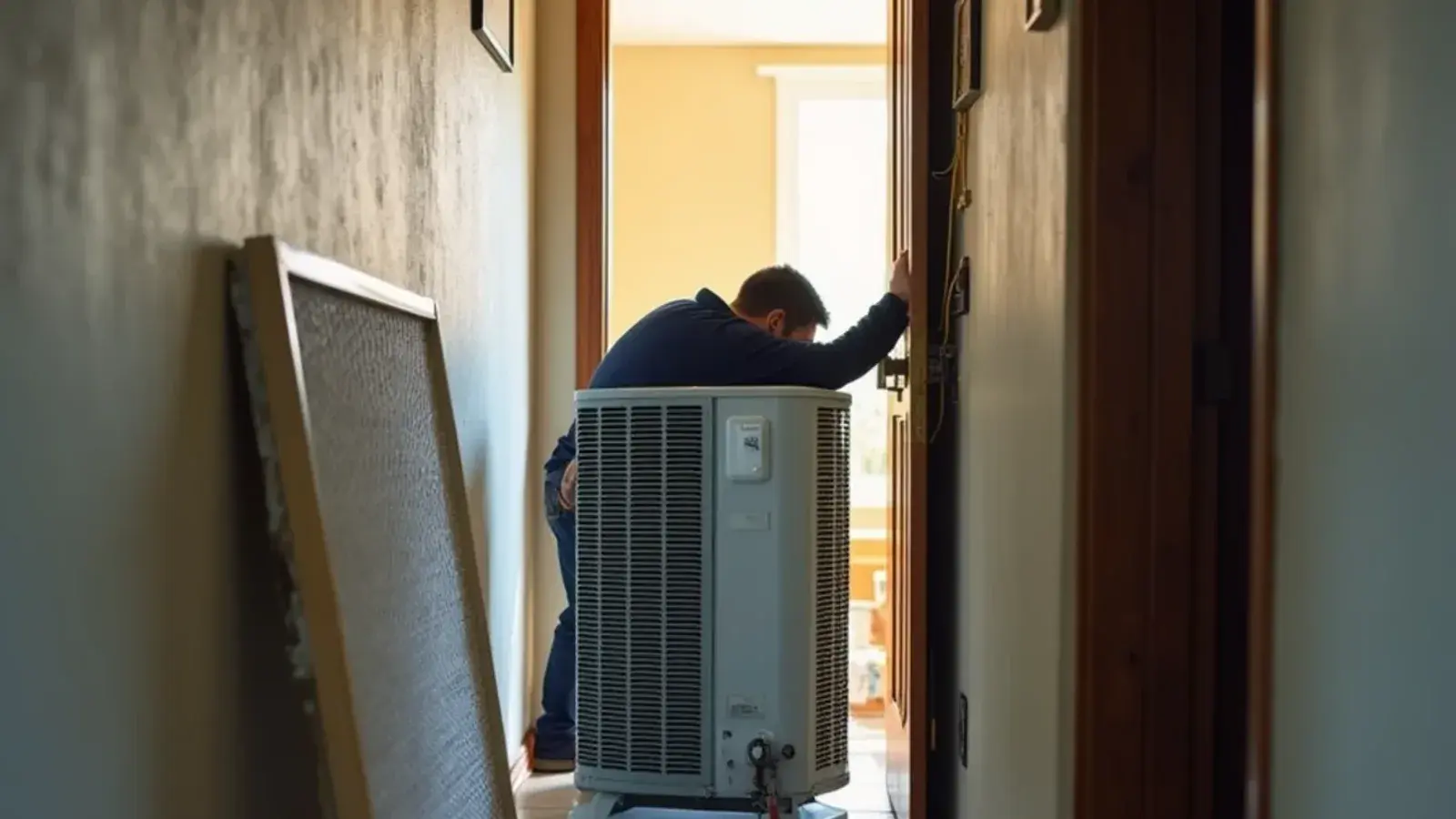
A fall heating check in the Valley pairs a few owner tasks (a new filter, a test run of the heat on a mild afternoon, a clear outdoor unit, tested smoke and CO alarms) with a technician visit that tests the heat strips, heat pump defrost or furnace burners. Do both in October, before the first strong cold front.
Fall heating maintenance in the Rio Grande Valley is easy to skip. The afternoons still feel like summer and the AC is still running. Then a strong front comes through, the low drops into the 40s or 30s, and the heat that hasn't run since February is suddenly the most important appliance in the house. Below, the owner tasks and the technician checks are split apart, with the specifics for heat strips, heat pumps and gas furnaces.
Why short winters still need a heating check
Heating equipment in South Texas fails differently from equipment up north. It doesn't wear out from long, heavy use. It fails from sitting. Summer heat, dust and humidity work on parts that aren't moving, and problems stay hidden because no one asks the heater to do anything for months.
Common examples:
- A heat strip element breaks while cold and nobody notices until winter.
- Mice or insects nest in the heat kit or furnace cabinet.
- A gas furnace's flame sensor builds up a film and stops proving flame.
- A heat pump's defrost board or sensor fails, but the unit still cools fine all summer.
Timing matters as much as the checklist. The National Weather Service office in Brownsville puts the average first freeze in the Lower Rio Grande Valley around the New Year, but notes freezes can arrive as early as November and as late as March. It defines a hard freeze as at least two hours below 28°F over a wide area, rare here but not unheard of. Cold fronts in late October and November rarely freeze, yet they are often the first time the heat runs, so that is when hidden faults surface.
Tasks you can handle on a weekend
These need no tools beyond a step stool and maybe a screwdriver for the filter door.
- Swap the filter. Start the heating season with a clean one. A clogged filter starves the heat strips of airflow and can trip their high-limit safety.
- Test the heat on a warm afternoon. Set the thermostat a few degrees above room temperature and let it run 20 minutes with windows open. The first-run dusty smell should fade.
- Check thermostat settings. Confirm it's set for the right system type, schedules make sense for winter, and batteries are fresh.
- Clear the outdoor heat pump. Pull weeds, leaves and stored items away from the unit. Trim back shrubs.
- Clear the closet. Remove anything stored against the air handler or furnace.
- Test smoke and CO alarms. Press each test button. Replace batteries or the whole alarm if it's past its service date.
- Protect pipes. Fit covers on hose bibs and wrap any exposed lines, especially on raised homes.
What a technician tests, by system type
The owner tasks catch the easy problems. The rest needs meters, the power off and the panels open. Here's how a heater tune up breaks down for the three common Valley setups.
| System | Key checks on a fall visit | What it catches |
|---|---|---|
| Central AC with heat strips | Element resistance, amp draw per stage, sequencers or relays, high-limit switches, wire terminals, breaker condition | Dead elements, stuck stages, overheating connections |
| Heat pump with backup strips | Reversing valve shift, heating pressures, defrost control and sensor, outdoor coil and fan, strips as above | Unit that cools but won't heat, poor defrost, weak backup |
| Gas furnace | Ignitor, flame sensor, burners, gas pressure, venting and flue, heat exchanger visual check, blower | Lockouts, dirty burners, venting problems, CO risk |
| Any system | Blower motor and wheel, thermostat calibration and wiring, filter fit, condensate drain | Weak airflow, wrong temperature readings, short cycling |
Heat strips: test every stage
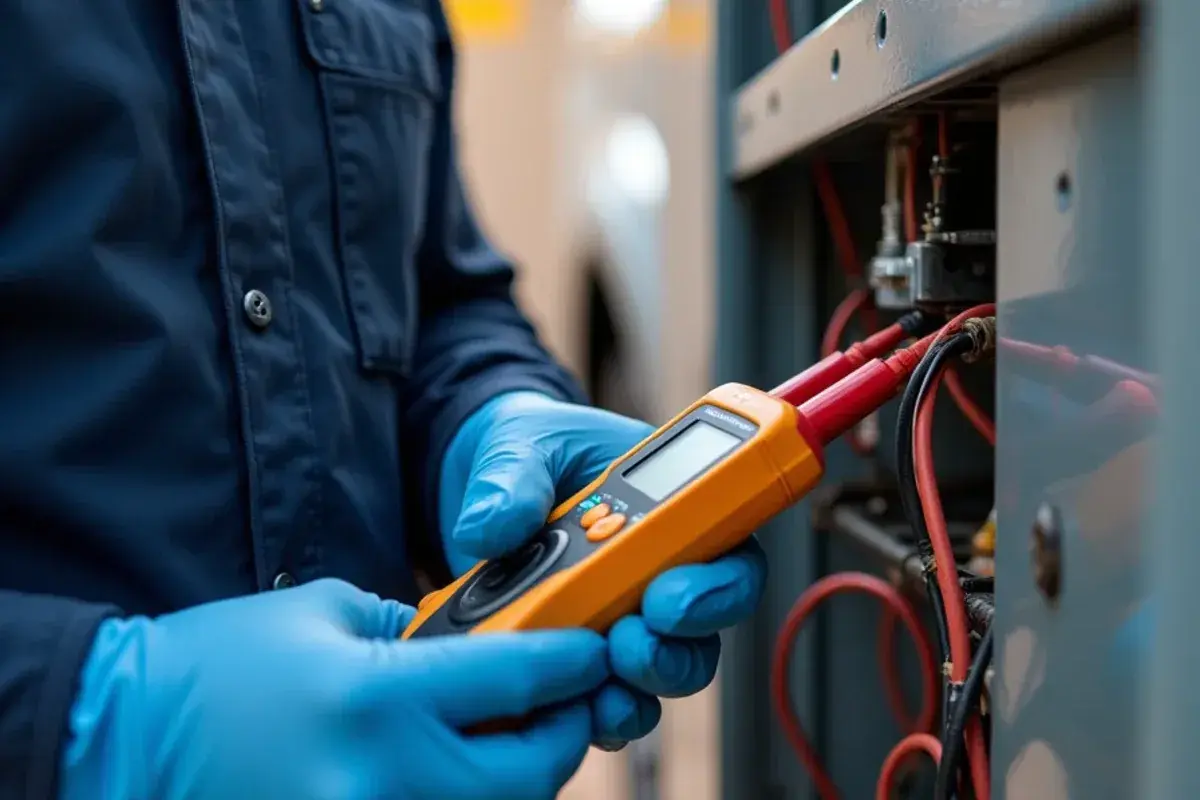
Larger heat kits come on in two or three stages. A tech measures the current on each stage, because a home can feel "sort of warm" with only one stage working. Wire terminals at the heat kit breaker get checked for heat discoloration, since loose lugs on high-current circuits are a common source of trouble.
Heat pumps: force heating mode
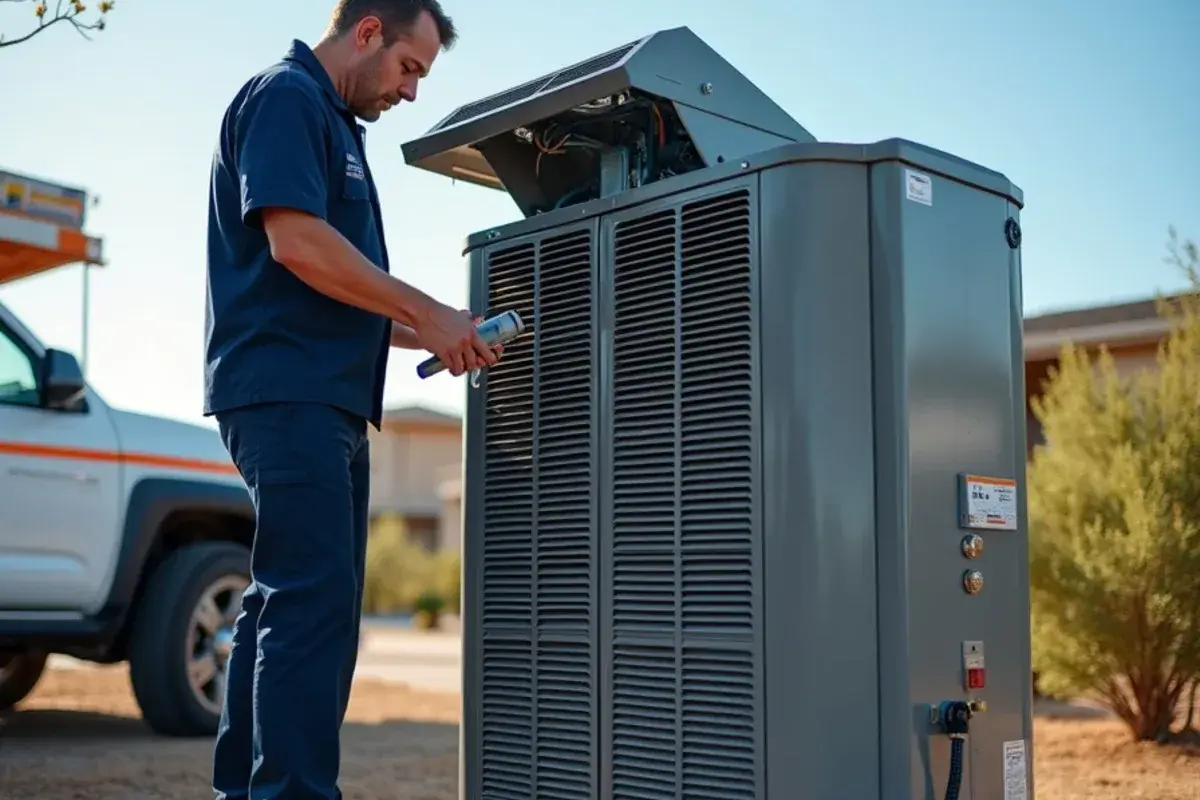
A heat pump spends most of its year cooling. Heat pump maintenance in fall means running it in heating mode, confirming the reversing valve shifts, reading pressures and temperatures, and checking that defrost starts and ends. This is also when a tech confirms the backup strips and the thermostat's auxiliary heat wiring are set up right.
Gas furnaces: combustion and venting
A furnace check covers the ignitor, the flame sensor, the burners, the gas pressure and the vent pipe. The tech watches the flame, which should be steady and mostly blue, and looks for rust, soot or water around the flue. Any home with gas appliances should have a working carbon monoxide alarm. A rotten-egg smell means a possible gas leak: get everyone outdoors first, then phone 911 or the gas company once you are well away from the house.
What does a fall visit usually turn up, and where should DIY stop?
Most fall findings are small, and they tend to repeat. Knowing them helps you read the technician's report and decide what is worth fixing now.
- The thermostat is set up wrong. A replacement thermostat configured for "AC with electric heat" instead of "heat pump," or with the auxiliary heat wire landed on the wrong terminal, can leave the strips doing all the heating. The house stays warm, so nobody notices until the electric bill arrives.
- One element or stage is dead. A heat kit with two or three stages can lose one and still feel somewhat warm on a mild night. It shows up on the clamp meter, not on your hand at the vent.
- The high-limit has been tripping. A dirty filter, a blower wheel caked with dust or closed registers raise the temperature inside the heat kit until the limit cuts out. The fix is airflow, not a new limit.
- Defrost is not working. On a heat pump, a failed sensor or board means the outdoor coil ices up on the first damp cold night instead of clearing itself.
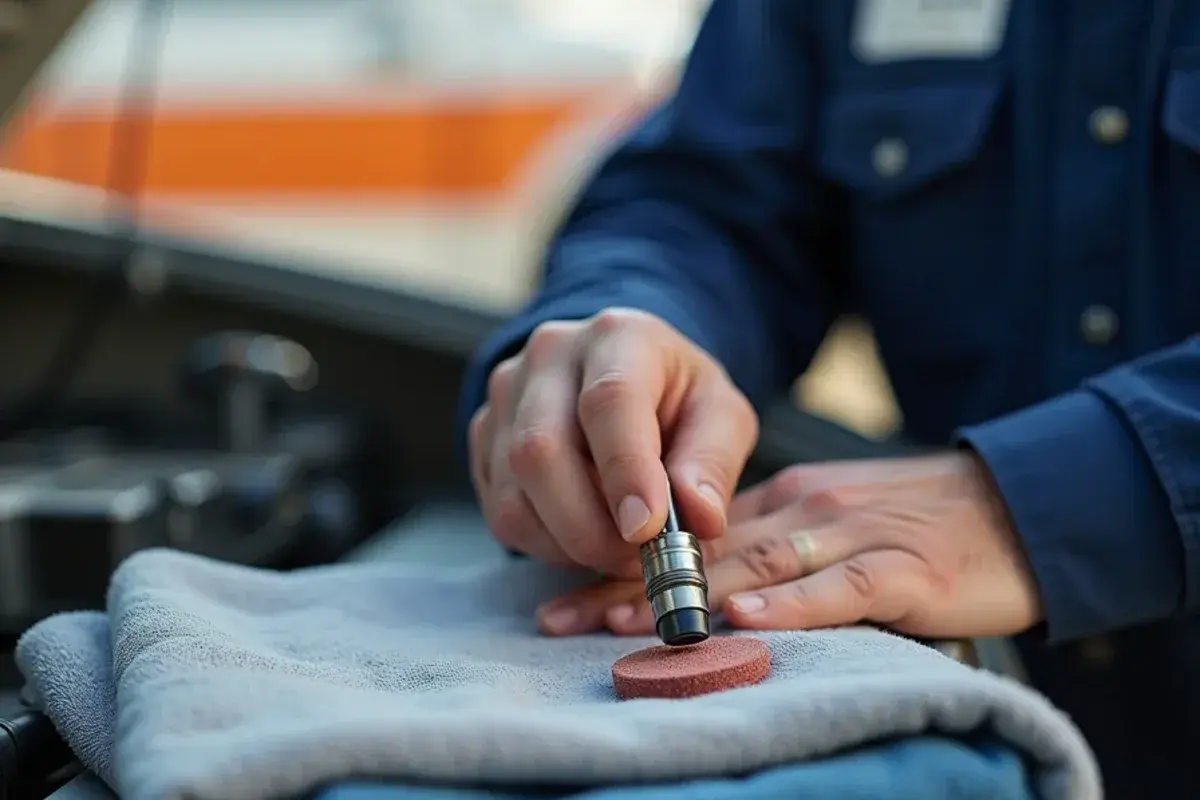
- A furnace flame sensor has a film on it. The burners light, then shut off seconds later. Cleaning the sensor often solves it.
There are honest judgment calls, too. An original heat kit with several worn elements and a scorched terminal block may cost less over a few winters to replace than to patch. A gas furnace with a cracked heat exchanger is not a repair at all: it gets shut off and replaced, because that crack can let combustion gases into the airstream.
The line for owner work is simple. Filters, thermostat batteries, clearing the outdoor unit and testing alarms are yours. Anything behind an access panel is not. Heat kits run on 240-volt power, capacitors hold a charge after the breaker is off, and gas valves and burners belong to someone with the right tools and a combustion analyzer.
Signs to call before the first cold front
Some problems show up during your own test run. Don't wait for the visit if you notice:
- A breaker trips when the heat comes on.
- The air from the vents is barely warm after 15 minutes.
- A smell of hot plastic or burning wire, rather than dust.
- The outdoor heat pump runs but the house cools down in heat mode.
- A gas furnace clicks, lights briefly and shuts off, over and over.
Any of those calls for a heating repair visit. If you smell something electrical, switch the system off at the breaker first.
Scheduling around the Valley's fall rush
Fall is busy for HVAC crews, because heating checks overlap with late-season AC calls. From Rio Grande City we cover Starr County and much of Hidalgo County, from Mission, about 50 minutes down US-83, to Weslaco farther east by appointment. Booking in October usually means a more flexible time slot than calling the morning after the first norther.
For an overview of the heating types we work on and what each service includes, see our heating services page.
Your fall heating plan in short
Do the filter, thermostat, alarm and clearance tasks yourself this month. Run the heat once on a mild day so the dust burns off and any odd noise or smell shows up early. Then have a technician test the parts behind the panels, especially if you have a heat pump or a gas furnace. That combination is how a Valley home gets through its few cold nights without a surprise. Call 956 Multi Service at (213) 423-7827, tell us your town and what kind of heat you have, and we will find a fall slot before the cold fronts start lining up.