
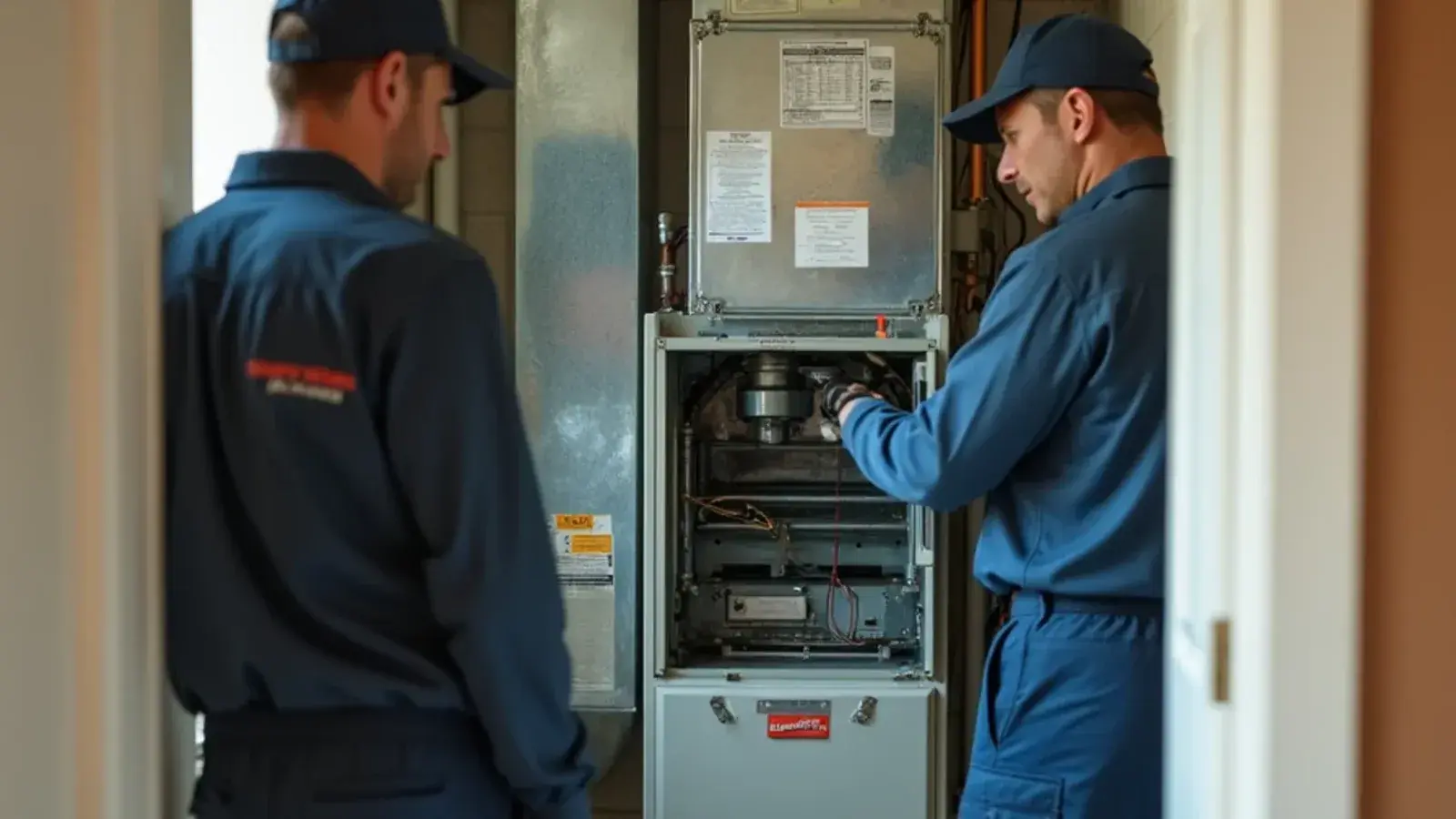
Yes, a whole-home air purifier can help Valley allergies, mainly by catching pollen, caliche dust and mold spores at a well-fitted MERV 13 filter or media cabinet, but only while the system fan runs. UV lamps keep the coil clean rather than the air. Pair it with humidity control and a portable HEPA unit in the bedroom.
A whole home air purifier for allergies sounds like a simple fix: put something in the AC system and breathe cleaner air in every room. In practice, the results depend on what you're allergic to, which kind of air cleaning you choose, and whether your system can handle it. In the Rio Grande Valley, where pollen, fine dust and mold spores all play a part, it's worth knowing what each option really does.
What's actually in Valley air
Allergy triggers indoors usually come from a mix of outside and inside sources:
- Pollen from grasses, weeds and native trees like mesquite, which drifts in through doors, windows and leaky ducts.
- Fine dust from caliche roads, fields and dry, windy spells.
- Mold spores from humid air, damp bathrooms, wet coils and drain pans.
- Dust mites, which thrive in damp bedding and carpet.
- Pet dander and household dust from everyday life.
Pollen and most outdoor dust are particles, which a filter can catch. Mold is both a particle problem and a moisture problem. Dust mites are mostly a humidity and bedding problem. No single device fixes all of them.
Your filter is the real starting point
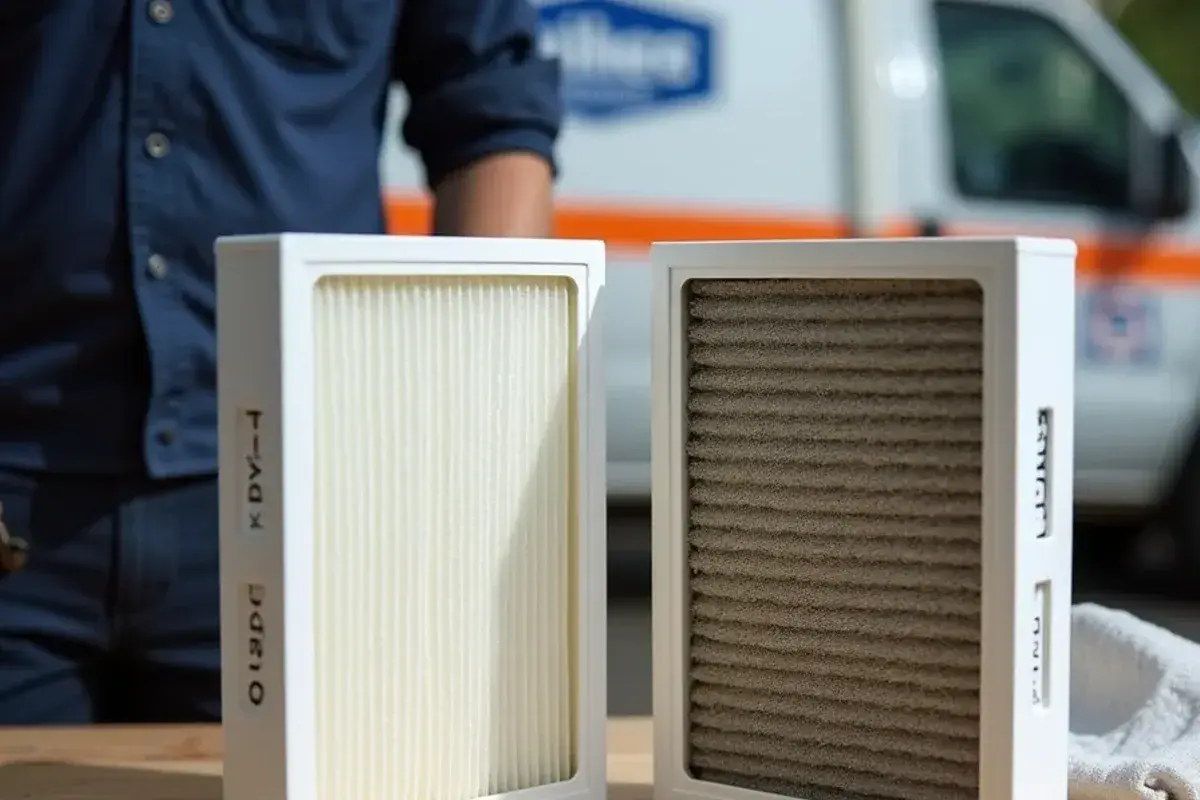
For most homes, the best filter for allergies is simply a better, well-fitted filter changed on time. Filters are rated by MERV (Minimum Efficiency Reporting Value), a scale where higher numbers catch smaller particles. Thin, inexpensive fiberglass filters mainly protect the equipment. Pleated filters in the MERV 11 to 13 range catch much more pollen and fine dust. The EPA's guidance is to use at least MERV 13, or as high as your system can accommodate.
Two things matter as much as the rating:
- Fit. A filter with gaps around its edges lets dirty air bypass it.
- Airflow. Denser filters resist airflow. Some systems handle a MERV 13 one-inch filter fine, others need a deeper media cabinet so air can pass without strain.
Comparing whole-home air cleaning options
| Option | What it does well | Limits | Best for |
|---|---|---|---|
| Upgraded pleated filter | Captures pollen, dust and many mold spores | Must fit well; may restrict airflow on some systems | Nearly every home as a first step |
| Media filter cabinet (4 to 5 inch) | Higher filtration with less airflow strain, longer change intervals | Requires installation at the return | Homes with allergies or heavy dust |
| UV light at the coil | Limits mold and bacteria growing on the wet coil | Little effect on allergens floating in the air | Humid homes with musty coil odors |
| Electronic air cleaner | Charges particles so they collect on plates or media | Needs regular cleaning; some types make ozone | Owners willing to maintain it |
| Ionizers and ozone-producing devices | Marketed as air purification | Ozone irritates lungs; EPA warns against ozone generators | Not recommended |
| Portable HEPA unit | Very high filtration in one room | Covers one room only | Bedrooms of allergy sufferers |
UV light for AC mold: helpful, but for a specific job
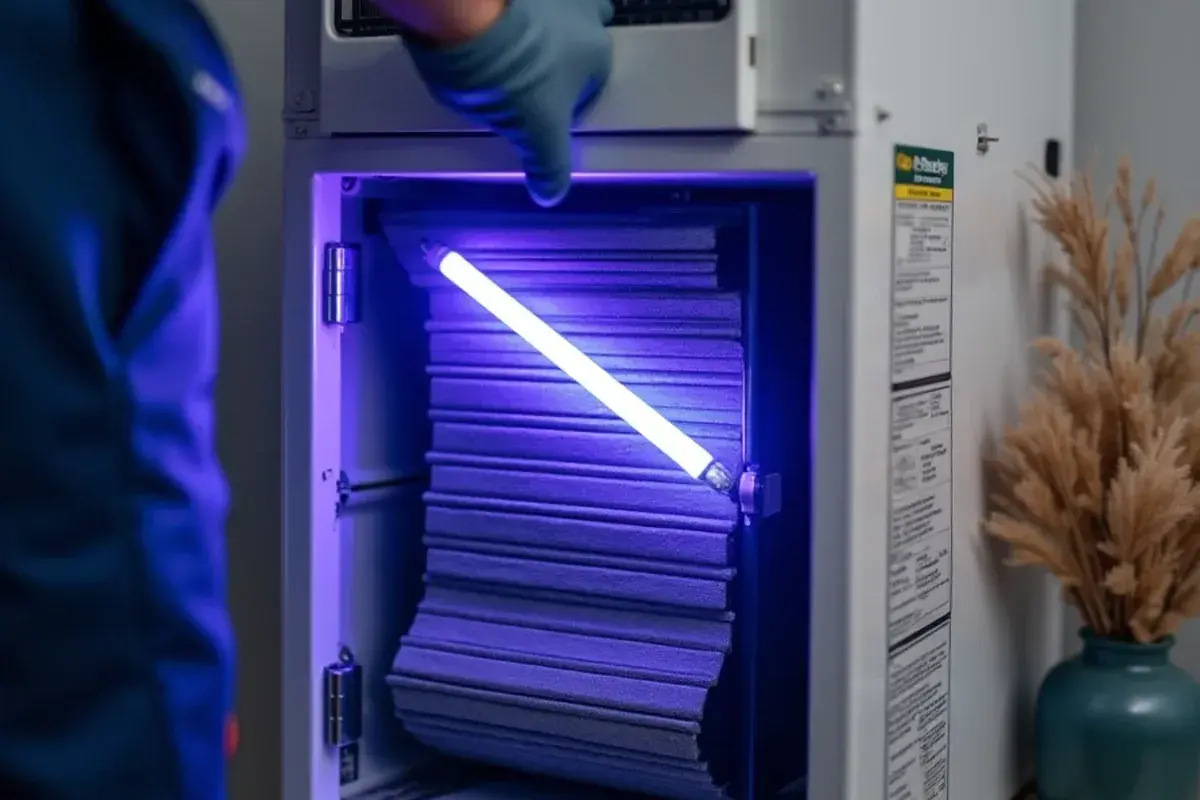
The indoor coil and drain pan stay wet whenever the AC runs, and in humid Valley homes they can grow mold and bacterial film. A UV lamp mounted to shine on the coil helps keep that surface clean. That can reduce musty smells and help the coil stay efficient.
What a UV lamp won't do is clean the air flowing past it in any significant way. Air moves too fast for much exposure, and pollen and dust aren't living organisms. Think of UV as a coil-care tool, not an allergy cure.
Be careful with ozone
Some air cleaners produce ozone, either on purpose or as a byproduct. Ozone is a lung irritant, and the EPA advises against using ozone generators in occupied spaces. If you're shopping for an electronic air cleaner, look for one that has been certified for low ozone output, such as products on the California Air Resources Board's list of certified air cleaning devices.
Air purifier vs filter: does the purifier add much?
In many homes, a properly sized media filter does most of what a more expensive "purifier" add-on would. Where extra devices make more sense:
- A family member with asthma or severe allergies who needs every improvement.
- Homes with heavy outdoor dust that loads standard filters quickly.
- Humid homes where coil mold is a recurring issue, for UV.
The fan has to run for any whole-home option to work. If your AC runs only part of the time, the air only gets cleaned during those cycles. Some owners use a fan circulation setting during allergy season, which should be balanced against the humidity effect of running the fan constantly.
What a proper installation checks
A whole-home air cleaning install starts with your system, not the product. A technician should:
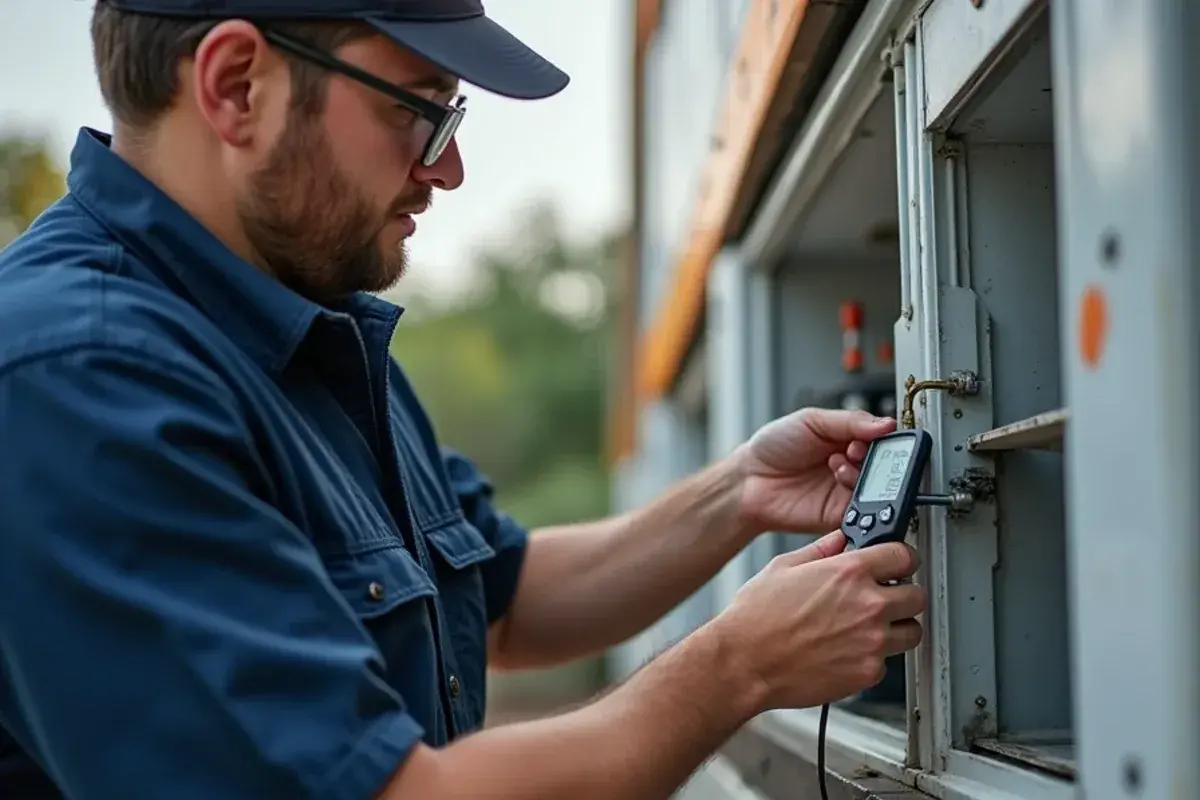
- Measure static pressure (the resistance air faces moving through the system) before and after a filter upgrade.
- Seal leaks around the filter rack and return so air can't bypass the filter.
- Look at return ducts for leaks that pull in attic dust.
- Check the coil and drain pan for existing mold.
- Confirm electrical needs for UV lamps or electronic cleaners.
Our whole-home air purifier service covers filter cabinets, UV and electronic air cleaning, and our indoor air quality page explains how filtration, humidity and ventilation work together.
What should a technician weigh before upgrading your filtration?
The product on the box matters less than how your system handles it. These are the checks and judgment calls that decide whether an upgrade helps or quietly hurts.
- Static pressure against the blower's limit. Every air handler has a maximum external static pressure on its data plate or in its manual. A technician reads the system before and after the new filter. If the denser filter pushes the reading past that limit, the answer is a deeper media cabinet or a larger return, not a thinner filter.
- What kind of blower motor you have. Older constant-speed motors simply move less air as resistance rises, which can freeze the coil on a hot afternoon. Newer variable-speed motors fight to hold airflow, so they keep the air moving but draw more power and run louder. Both cases point to the same fix: keep resistance in range.
- Air that skips the filter. Gaps at the filter rack, a loose return grille or a leaky return box let unfiltered air around the media. Sealing those can do more than a higher rating.
- How often the fan actually runs. The EPA notes that home systems typically run less than a quarter of the heating and cooling seasons, and they filter only while running. Valley summers keep the AC busy, but mild spring weeks, when pollen is heavy, may see little run time. Running the fan more cleans more air, at the cost of electricity and, in humid weather, some moisture coming back off the coil.
- Who will maintain it. An electronic air cleaner's cells need regular washing, UV lamps lose output and need replacing on the maker's schedule, and media filters need changing on time. The best option is the one your household will actually keep up with.
The honest summary is that a properly sized media filter, sealed at the rack, delivers most of the allergy benefit in most Valley homes. The add-ons earn their place for severe allergies or asthma, very dusty sites and humid homes with recurring coil growth.
Dust allergy homes across the Valley
Homes surrounded by orchards and fields, like many in Citrus City, face a steady pollen and dust load that clogs filters faster than the label suggests. In larger cities like Edinburg, rental homes and apartments often run the cheapest filter available, which does little for allergy-prone tenants. In both cases, a better filter and a regular change schedule are where the biggest gains come from.
A sensible path for allergy sufferers
Start with a well-fitted pleated filter and change it on schedule. Keep indoor humidity under control to limit mold and dust mites. Add a media cabinet if your system needs one for better filtration, a UV lamp if your coil tends to grow mold, and a portable HEPA unit in the bedroom. Skip anything that produces ozone. That combination gives most Valley households noticeably cleaner air without overspending on gadgets. To find out what your system can handle, call 956 Multi Service at (213) 423-7827 and ask for a filtration check with a static pressure reading.