
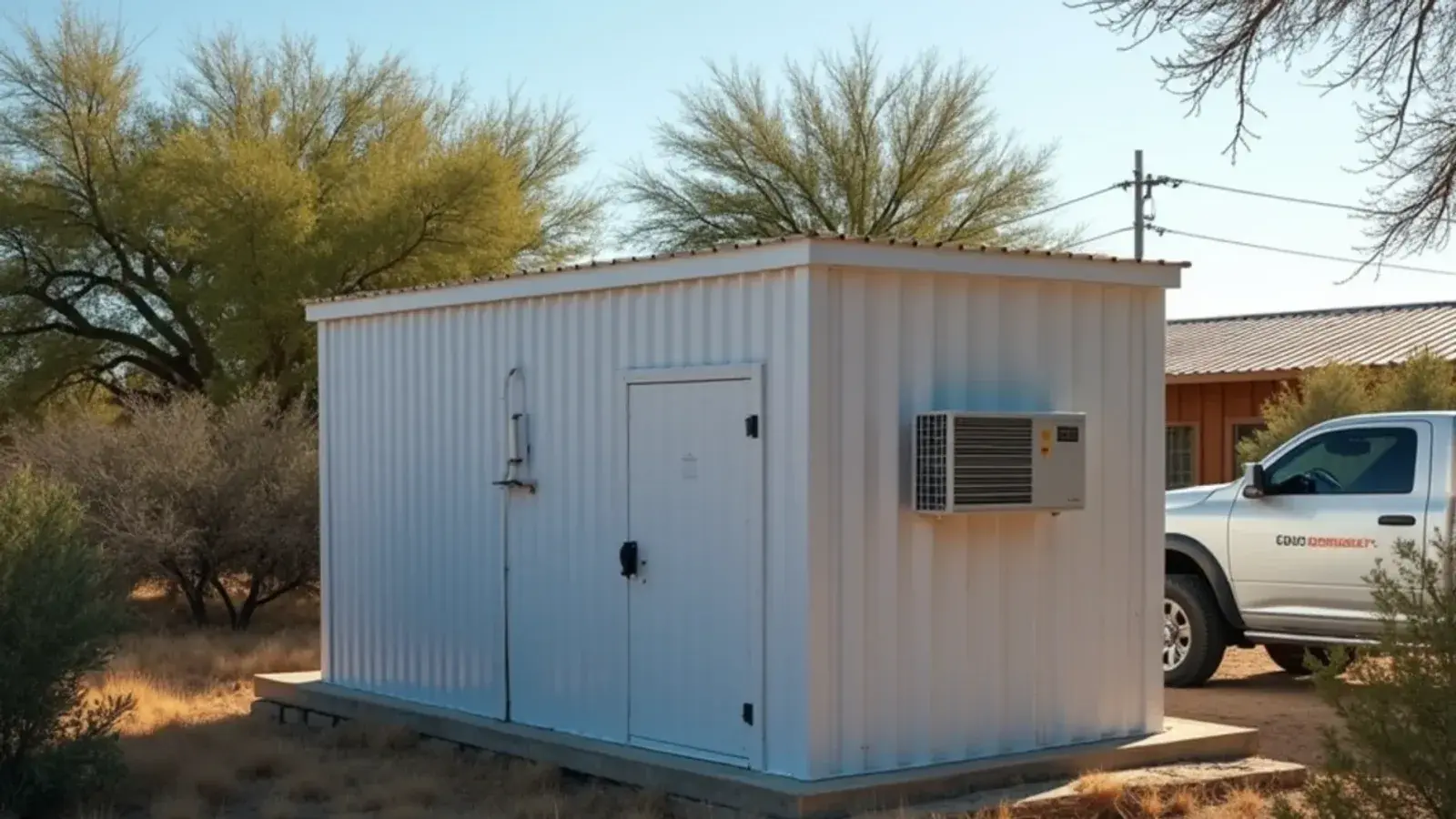
Hold a deer cooler between 34 and 37°F and get every carcass below 40°F as fast as you can. On a South Texas ranch that takes a room sized for your busiest night, sealed foam walls and ceiling, a test run before season, spaced carcasses on the rail and a backup power plan.
A good deer cooler pulls body heat out of a fresh carcass fast and then holds it steady for days. In much of the country, cool fall nights do half that work. On a South Texas ranch, where the afternoon can still touch the 80s or 90s in November and December, your cooler carries the whole load. If it is undersized, poorly sealed, or has not run since last January, you find out the first night three deer come in at once.
This guide walks through sizing, insulation, temperatures and routines for walk-in coolers and CoolBot rooms at hunting camps and ranch houses in Starr, Jim Hogg and Brooks counties.
Pick the right size and system before opening day
Start by counting how many animals your group realistically has hanging at peak, including doves, hogs or other game if the same room handles them. A room that is too big wastes power and takes longer to recover after the door opens. A room that is too small forces you to crowd carcasses, which traps warm air between them.
Two systems dominate on ranches:
- A commercial walk-in uses a condensing unit outside and an evaporator inside, designed from the start for refrigeration temperatures. It recovers faster after a heavy load and handles long, hot seasons better.
- A CoolBot room pairs a controller with a standard window air conditioner (or a compatible mini-split) in an insulated space. The controller overrides the AC's normal low limit so it can hold the room in the mid-to-upper 30s. It suits small camps, part-time use and owners who want something simpler to install.
If you are weighing a new build, our walk-in cooler and CoolBot room service covers both, and a site visit lets us look at your power supply, building and expected load before you commit.
Insulation and sealing do most of the work
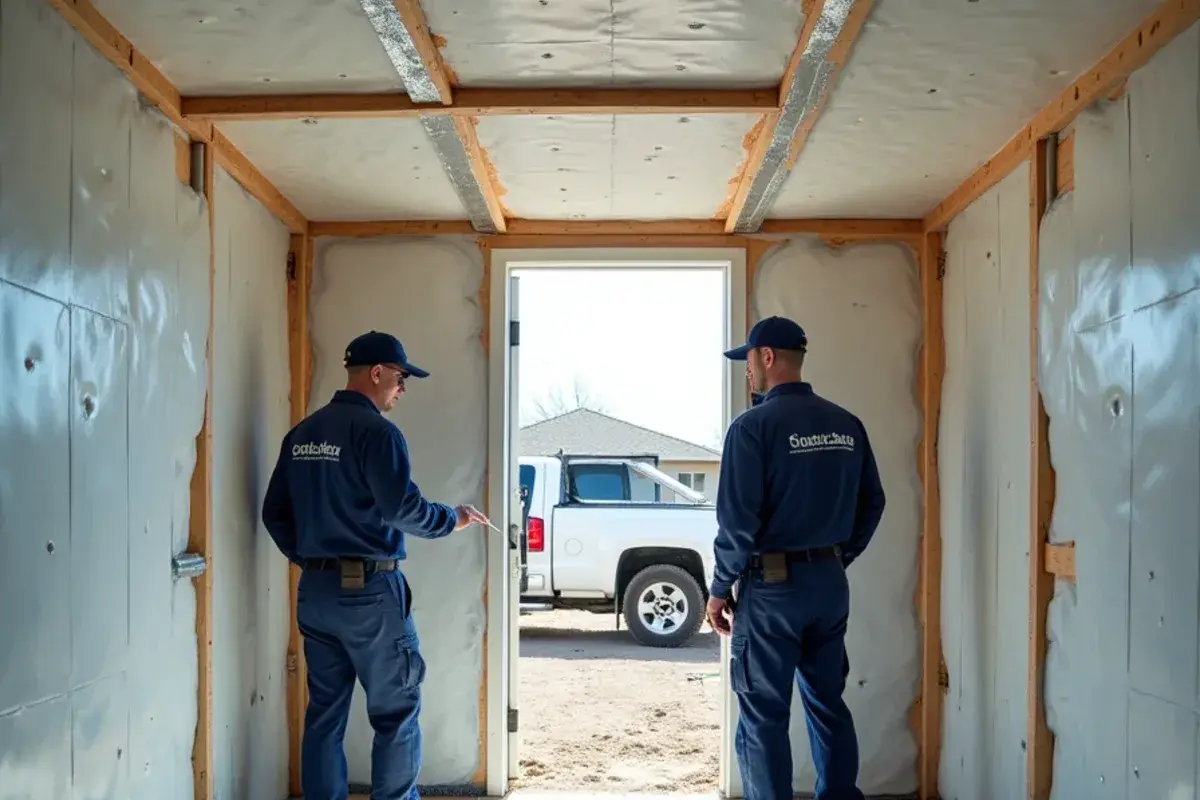
A cold room only holds temperature as well as its envelope. Heat leaking through walls, ceiling, floor and door is constant, and the ranch sun beating on a metal building adds more.
- Walls and ceiling: rigid foam board with taped, staggered seams works well for converted sheds and trailers. Fill gaps around framing with spray foam. Ceilings matter even more than walls, since heat from a hot roof radiates down.
- Floor: a bare concrete slab on caliche keeps feeding warmth into the room. Insulation under a raised floor or a sealed, insulated layer on top helps.
- Door: use a solid insulated door with a tight gasket and a latch that pulls it closed. A plastic strip curtain inside cuts losses each time someone walks in.
- Shade: put the room on the north or east side of a building, under a shade structure, or at least out of the full afternoon sun.
Target temperatures for hanging deer
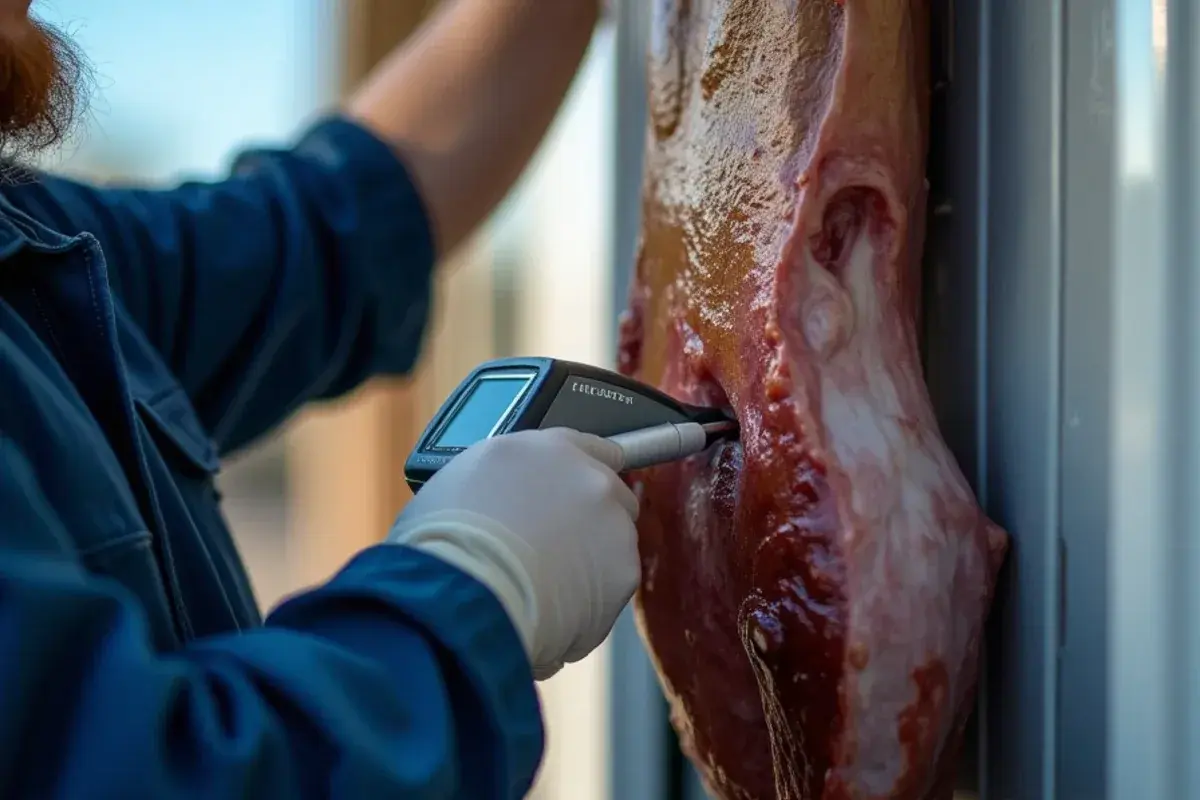
The air display and the meat are two different readings. Air drops quickly when the AC kicks on; a thick hindquarter takes hours. Check the meat itself with a probe thermometer in the thickest part.
| Reading | What it means | What to do |
|---|---|---|
| Room 34–37°F, meat cooling steadily | The usual aging range | Hold and check twice a day |
| Room 38–40°F | Acceptable short term | Look for door leaks, crowding or a heavy load |
| Room or meat above 40°F for hours | Bacteria grow faster | Fix the cooler or move to ice and process sooner |
| Room below 32°F | Surface freezing | Raise the setpoint; frozen spots age poorly |
| Room swings up and down widely | Control, sensor or icing problem | Check sensors and coil for ice |
University extension guidance generally says to chill a deer carcass to roughly 35–40°F as soon as possible and to cut and wrap sooner if it could not be held cold. Many hunters set their coolers around 34–37°F for aging.
Loading habits that keep the room from warming up
How you load the cooler matters as much as the equipment.
- Field dress and get the animal in quickly. Skinning sooner lets body heat escape faster.
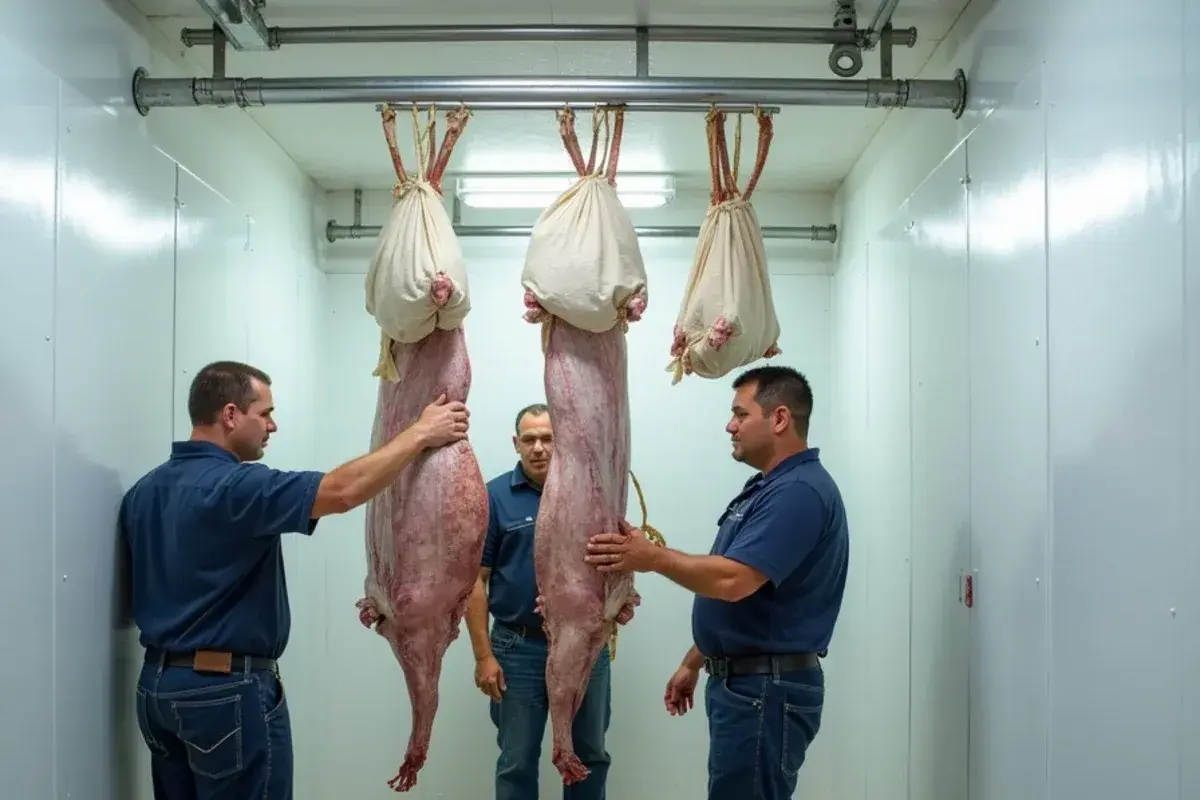
- Space carcasses on the rail. Leave a gap between each so air moves around them. Never stack quarters in a pile.
- Do not block the evaporator or AC airflow. Keep game away from the front of the coil.
- Stagger heavy nights. If several deer come in at once, watch the room temperature and give it time to recover before adding more.
- Use game bags, which keep flies and debris off without trapping heat the way plastic does.
- Keep the floor clean and draining. Blood and water sitting on the floor become a sanitation problem fast.
Pre-season checklist for ranch coolers
Most deer coolers sit idle from late winter to early fall. That long rest is when wasps build nests, rodents chew wires, and dust settles into coils. A few weeks before season, run through this:
- Clean the outdoor condensing coil or the window AC's rear coil; brush country dust and grass seed clog them over summer.
- Inspect door gaskets, hinges and latches.
- For CoolBot rooms, confirm the fin sensor, room sensor and heater wire are still in place, and set the AC itself to maximum cooling and high fan speed.
- Run the room empty for a full day and log the temperature morning and evening.
- Check outlets, cords and breakers for heat damage or rodent chewing.
- Test your backup power plan.
Ranches across Jim Hogg County and the brush country around Falfurrias in Brooks County are a long drive from town, so a problem found in September is far easier to fix than one found with a full rail in December.
Power, generators and remote camps
Many hunting camps run on long rural lines that drop out during storms, or on generators entirely. A cooler that loses power for a few hours with the door shut usually holds, but a full day without power in warm weather will not.
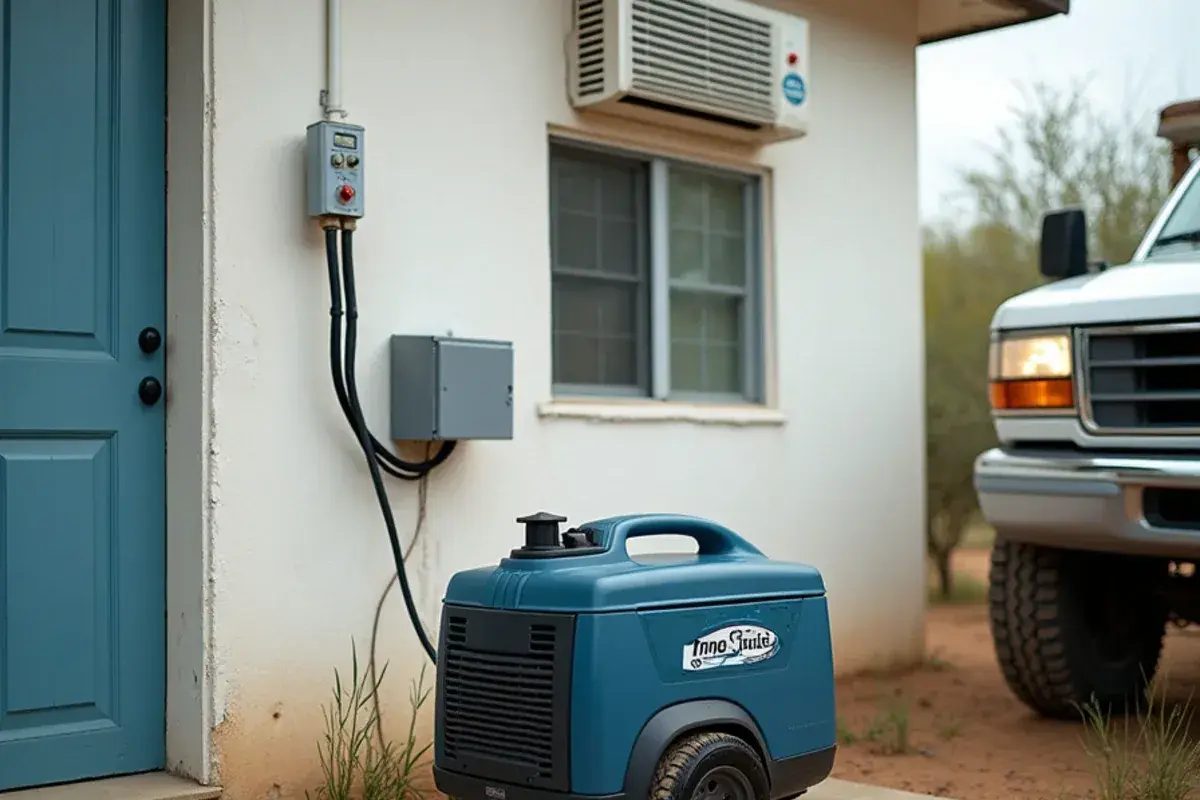
Have an electrician install a proper transfer switch or inlet for any generator, and size it to start the compressor, which draws a surge at startup. Never back-feed a building through a dryer plug or outlet. Add a simple temperature alarm or a phone-connected controller so someone knows when the room starts climbing.
A technician's view: why ranch coolers fall behind
When a ranch cooler cannot hold temperature, the equipment usually gets blamed first. Most of the time the room, the load or the setup is the real cause, and the readings show it.
What gets checked on a cooler call
- Room air versus meat. A wall display at 36°F with a hindquarter still at 45°F inside means the room is fine and the load is too heavy or too crowded.
- Coil and fin sensor. On a CoolBot room, the fin sensor belongs between the evaporator fins at the depth the manual specifies. If it slips loose, the controller cannot see frost coming, the coil ices solid and the room warms while the AC runs.
- Amp draw and airflow. A compressor drawing high amps on a warm afternoon often has a dust-packed rear coil or a blocked intake, both common after a summer of idle brush-country dust.
- The envelope. Gaps at the ceiling line, a door gasket that no longer grips a sheet of paper, and an unsealed wall penetration for the AC are found far more often than failed parts.
Trade-offs worth hearing before you spend
- A bigger window AC is rarely the answer. The CoolBot maker's sizing chart assumes an airtight room with an eight-foot ceiling, roughly R-25 of rigid foam, and fewer than six door openings an hour. A leaky shed with thin insulation will defeat any size of AC.
- Recovery is where systems differ. A CoolBot room holds a steady load well but recovers slowly after several warm carcasses go in at once. A commercial walk-in recovers faster, at the cost of a more involved install and refrigerant-side service.
- Window units wear faster in this duty. Running near the bottom of their range for weeks puts more hours on the compressor than a summer of house cooling. Plan on replacing the AC well before the room itself.
- Where DIY should stop. Cleaning coils, checking gaskets and logging temperatures are owner jobs. Sealed-system work on a walk-in falls under EPA Section 608 refrigerant rules, and generator connections belong to an electrician.
When the cooler quits in the middle of season
If the room starts warming with game inside, keep the door closed, check the breaker and the AC or condensing unit, and look for ice on the coil. If the cause is not obvious, move the most valuable meat into ice chests and call for emergency refrigeration repair. Have the system type, the room temperature and what is or is not running ready when you call.
For camps closer to home in northern Starr County, response is quicker; for ranches farther north, a pre-season visit is your best insurance. Set up the room right, test it early, load it with care, and it will carry you through even the warmest South Texas season. Call (213) 423-7827 in September or early October, tell us the ranch's county and whether it is a CoolBot room or a walk-in, and we can line up the pre-season check before the first deer come in.