
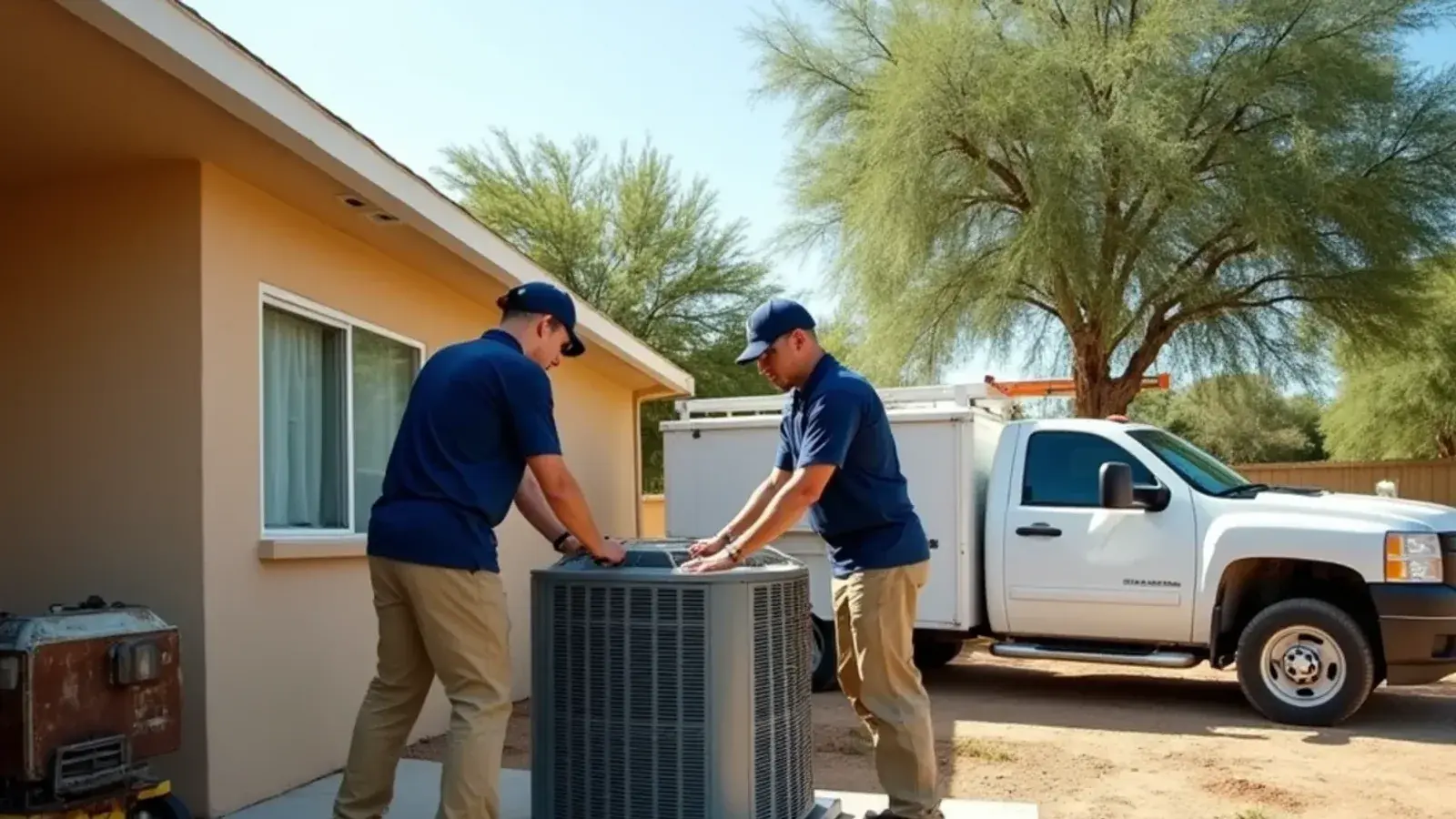
New AC unit cost in Rio Grande City has no single honest number, because the house sets most of the price. Tonnage, SEER2 tier, system type and the new refrigerants decide the equipment cost; the line set, indoor coil, ducts, pad and electrical work decide the rest. Compare itemized quotes that cover the same scope.
If you have been searching online, you have probably noticed that the figures are all over the place. That is because a "new AC" can mean a straight outdoor-unit swap on a sound system or a full replacement with new coil, line set, ducts and pad. The equipment is only part of the bill; the condition of the house decides the rest.
Below are the factors that actually change an installation quote in Starr County, the questions that reveal what a bid includes, and a few ways to keep the total under control without buying the wrong system.
The big four: size, efficiency, system type and refrigerant
Tonnage
Cooling capacity is measured in tons (one ton removes 12,000 Btu of heat per hour). Larger systems cost more in equipment and sometimes in labor. Correct sizing from a load calculation matters far more than square footage; an oversized unit costs more up front and performs worse in humid weather. Our separate guide on sizing an AC for Rio Grande City heat explains why.
SEER2 efficiency tier
Federal rules for this part of the country set a floor of 14.3 SEER2 on split central units rated below 45,000 Btu/h, and every compliant quote starts there. Units above the minimum use better compressors, larger coils and variable-speed fans, which raise the price but lower power use over the life of the system. In a climate where the AC runs much of the year, it is worth seeing at least two efficiency levels quoted side by side.
System type
Central split systems, single-package units and ductless mini-splits are priced differently. Heat pumps cost more than cooling-only units with electric heat strips, but they heat more efficiently in winter cold snaps.
Refrigerant change
New residential systems began shifting in 2025 from R-410A to R-454B, R-32 and other lower-GWP refrigerants. Older indoor coils are not designed for these refrigerants, so a replacement usually means a new matched coil, and the line set must be checked for size and condition.

What the house adds to the bill
| Cost driver | Lower-cost situation | Higher-cost situation |
|---|---|---|
| Line set | Existing copper is the right size, sound and reusable after flushing | Line set must be replaced, or it is buried in a slab or wall |
| Indoor coil and air handler | Matched coil fits the existing cabinet | New air handler or furnace cabinet needed |
| Ductwork | Ducts are sealed, sized well and in good shape | Ducts leak, are crushed, undersized or missing in add-on rooms |
| Location of indoor unit | Hall closet with easy access | Tight attic with little clearance or a hot crawl space |
| Outdoor pad | Existing pad is level and solid | Pad has sunk or cracked and needs replacing |
| Electrical | Breaker, wire and disconnect suit the new unit | Disconnect, wire or breaker must be upgraded |
| Thermostat | Existing thermostat works with the new system | New or smart thermostat needed, or wiring added |
| Old unit removal | Included in the job | Billed separately, or refrigerant recovery not mentioned |
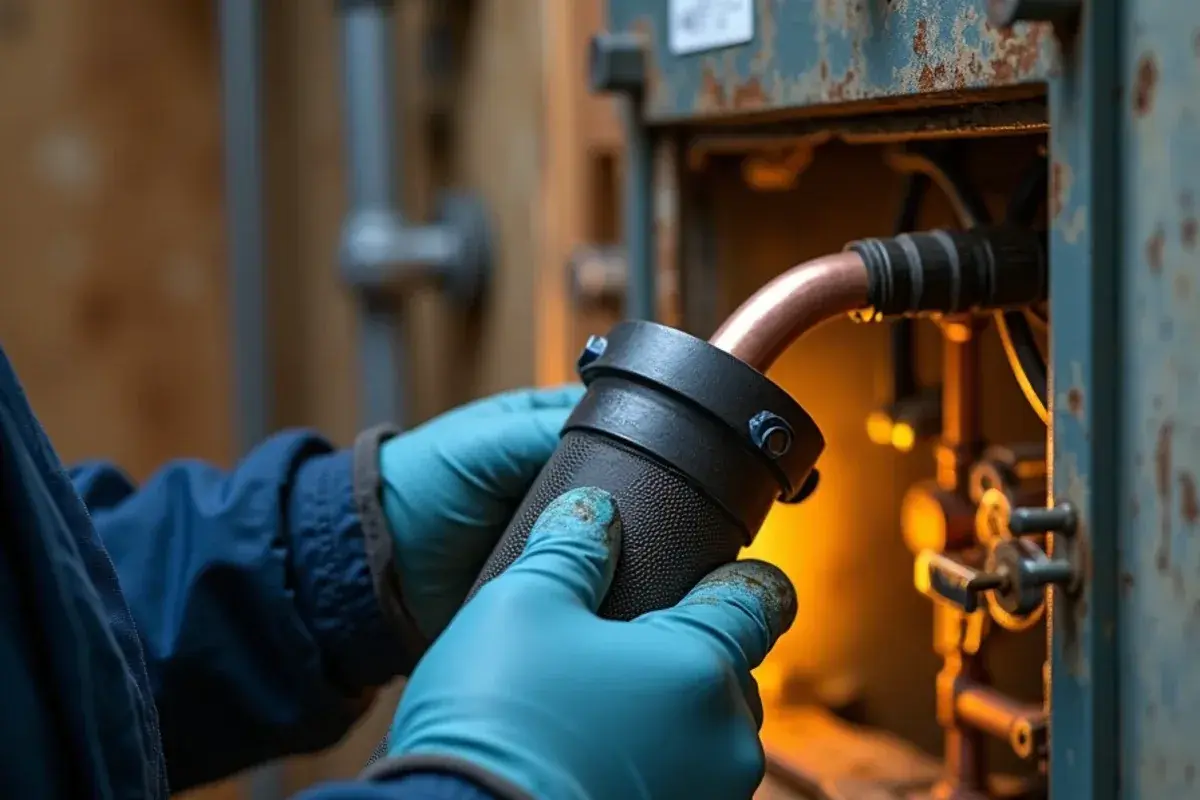
Many homes in the area have grown one room at a time, and that shows up in the ductwork. A back bedroom added years after the original house may have a single long duct run, or no duct at all. Fixing that during the replacement costs more on the day, but skipping it means one room stays hot no matter how good the new equipment is.
Mobile homes and package units
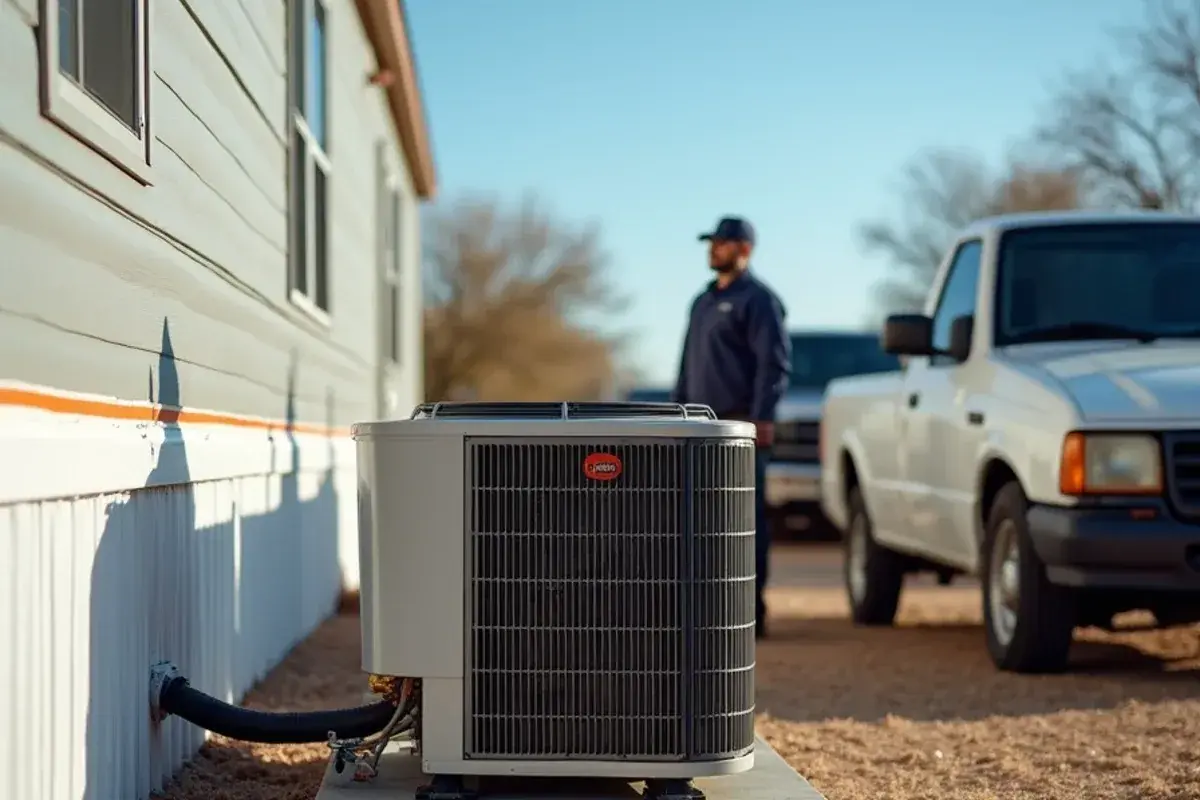
Manufactured homes are common across Starr County, and they price differently from site-built houses. Many use a single-package unit beside the home, connected through a crossover duct to the belly duct running under the floor. Replacing a package unit avoids running a line set, but crawling under the home to repair or reseal a crushed belly duct adds labor. Some owners choose one or more ductless mini-splits instead, especially for an add-on room. Our AC replacement page covers both paths.
How to compare quotes fairly
Before you compare totals, compare scopes. A complete bid should list:
- Outdoor unit model and tonnage, plus the matched indoor coil or air handler model.
- The SEER2 rating of the matched combination, not just the condenser.
- Whether the line set is reused, flushed or replaced.
- Duct work included, if any, and what it covers.
- Pad, disconnect, breaker and thermostat work.
- Permit, if one applies to your address.
- Removal of the old unit and recovery of its refrigerant.
- Who registers the equipment for the manufacturer warranty, and the labor coverage the contractor offers.
Ask whether the contractor performed a load calculation or simply matched the old tonnage. Ask what happens if they find damaged ducts once work starts. A bid with no surprises built in is easier to trust than one that looks low because it leaves things out.
Ways to keep the total reasonable
- Fix the ducts and the equipment together. Leaky ducts waste capacity, so sealing them can sometimes allow a smaller system.
- Choose the efficiency tier that fits your use. If the home is occupied all day through long summers, a higher tier earns more back than in a seldom-used house.
- Replace before a summer breakdown when you can. Planned replacements leave room to compare options; emergency ones in July leave less.
- Ask about payment options. AC financing can spread the cost, but compare the total repaid and not just the monthly figure.
What a careful estimator measures before writing a price
A quote is only as good as the visit behind it. Here is what a thorough estimate covers, and the honest trade-offs that come up along the way.
- A load calculation, not the old tonnage. The industry method (ACCA Manual J) works from the home's square footage, window area and direction, insulation, ceiling height and air leakage. Copying the size of the unit that failed repeats whatever mistake was made the first time, especially if that unit was sized by square footage alone.
- The ducts, under pressure. A static pressure reading across the blower shows whether the existing ducts can carry the airflow a new system needs. A higher-efficiency unit connected to undersized or leaky ducts will not deliver the rating on the label.
- The line set's size and condition. Reusing copper saves labor, but only when it is the right diameter for the new equipment, free of kinks and corrosion, and cleaned of the old oil. When the old system had a burned-out compressor, replacing the line set is usually the safer call.
- The electrical nameplate. The new outdoor unit lists a minimum circuit size and a maximum breaker. The estimator checks the existing breaker, wire and disconnect against those numbers instead of assuming they will do.
- The matched-system certificate. The SEER2 rating belongs to a specific outdoor and indoor combination, listed in the AHRI directory with its own reference number. Ask for that number on the quote; it confirms the efficiency you are paying for.
- Placement and pad. Clearance around the condenser, afternoon sun, drainage after storms and the condition of the pad all get looked at before anyone sets equipment.
The biggest surprises on install day almost always come from ducts and line sets that nobody checked. A contractor who spends time in the attic or under the home before quoting is pricing the real job.
Local considerations around Rio Grande City
Distances in the county are real. Homes on rural lots throughout Starr County can have long line runs or outdoor units placed far from the air handler, which adds copper and labor. Along US-83 in Escobares, many block homes still rely on window units, and owners often compare the cost of a ducted central system against a few mini-splits. Caliche dust and hard sun also wear outdoor equipment, so a quote that includes a level pad, proper clearance and a sensible placement out of afternoon sun can pay off in equipment life.
For a broader look at system types and the install process, see our AC installation service.
Getting to a real number
The only accurate price is one based on your house: its size, its windows and insulation, the state of the ducts and line set, and the system you choose. Get at least two itemized quotes, make sure they describe the same scope, and ask each contractor to explain why they chose the tonnage and equipment they did. A careful estimate visit now is the cheapest part of the whole project. To set one up, call 956 Multi Service at (213) 423-7827 and tell us the town, the age of the current system and whether it still runs.