
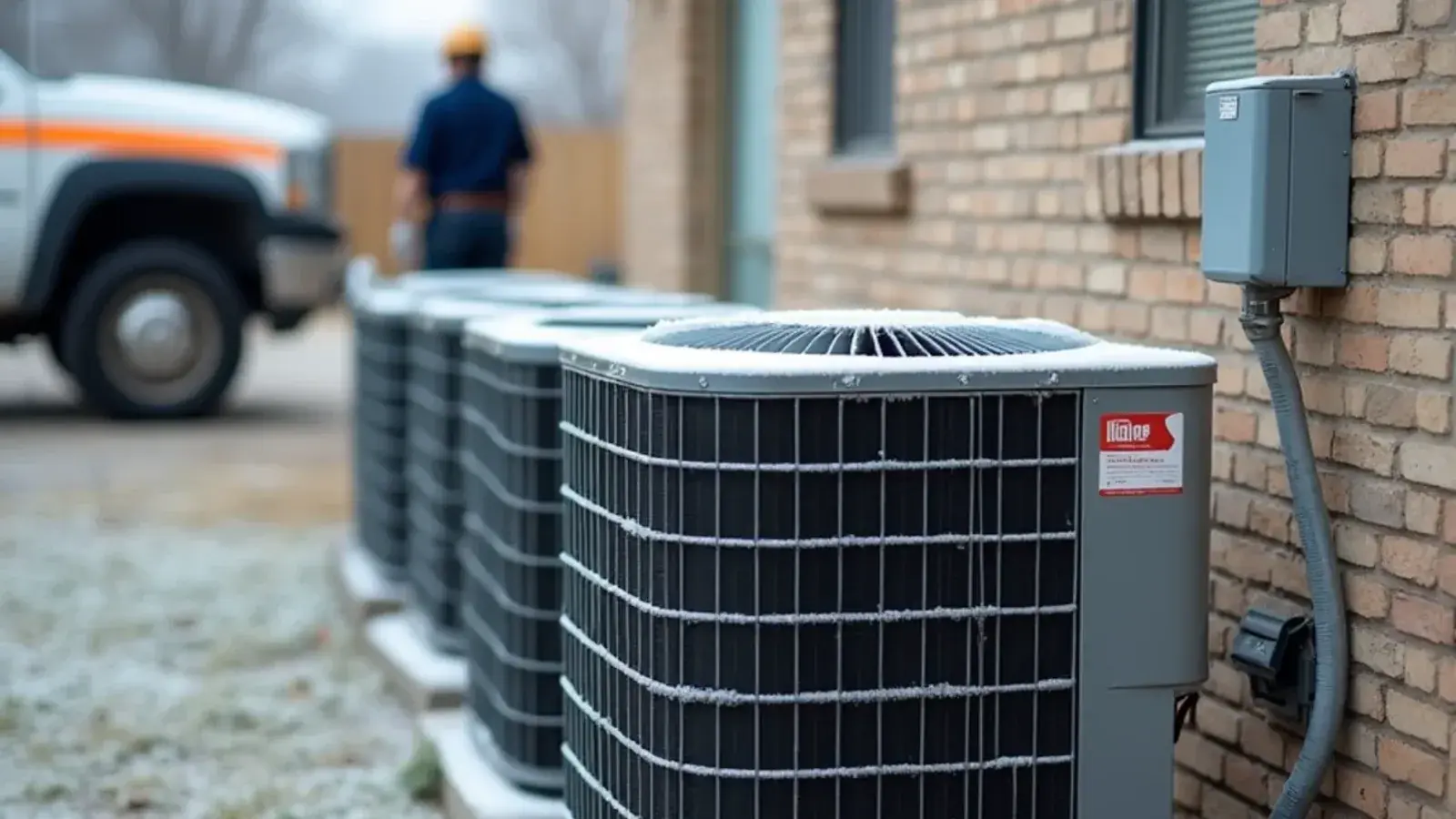
Winter Storm Uri taught Valley homeowners that electric heat is only as dependable as the grid and the backup strips behind it. Test the heat strips and defrost every fall, learn your thermostat's emergency heat setting, keep carbon monoxide alarms working, and plan a safe way to stay warm if the power stays off for a day or longer.
Winter storm heating preparation was not something most Rio Grande Valley households thought about before February 2021. Winters here are short and mild, homes are built around air conditioning, and heat is often an afterthought tucked inside the AC's air handler. Then Uri arrived, and for several days the region found out what happens when electric heat meets a long, hard freeze and a failing power grid. Five years on, those lessons still apply.
What the February 2021 freeze looked like in the Valley
The National Weather Service office in Brownsville called it the Mid-February Killing Freeze. The worst cold hit February 15 and 16, and freezing conditions stretched on through February 20. The weather service described it as the coldest February stretch across the Rio Grande Valley since 1899. Roofs in Brownsville were glazed with ice on the morning of February 15.
Statewide, the University of Houston's Hobby School of Public Affairs put the peak at about 4.5 million homes and businesses without power, and its survey found the average Texan who lost electricity went without it for well over a day and a half. The Valley was not spared. The NWS review also counts large losses to the citrus crop and widespread damage from burst pipes in both city systems and private homes.
For a region where the heating plan is "flip the thermostat to heat," losing power meant losing heat entirely.
Lesson one: know what kind of heat you actually have
Plenty of homeowners learned that week that they didn't know how their own heating worked. In the Valley you'll usually find one of three setups:
- Central AC with heat strips. Electric coils inside the air handler. Simple, but every bit of heat comes straight from the grid.
- Heat pump with backup strips. The outdoor unit moves heat in from outside air, and strips help when it can't keep up.
- Gas furnace. Less common here, and still dependent on electricity for the blower and controls.
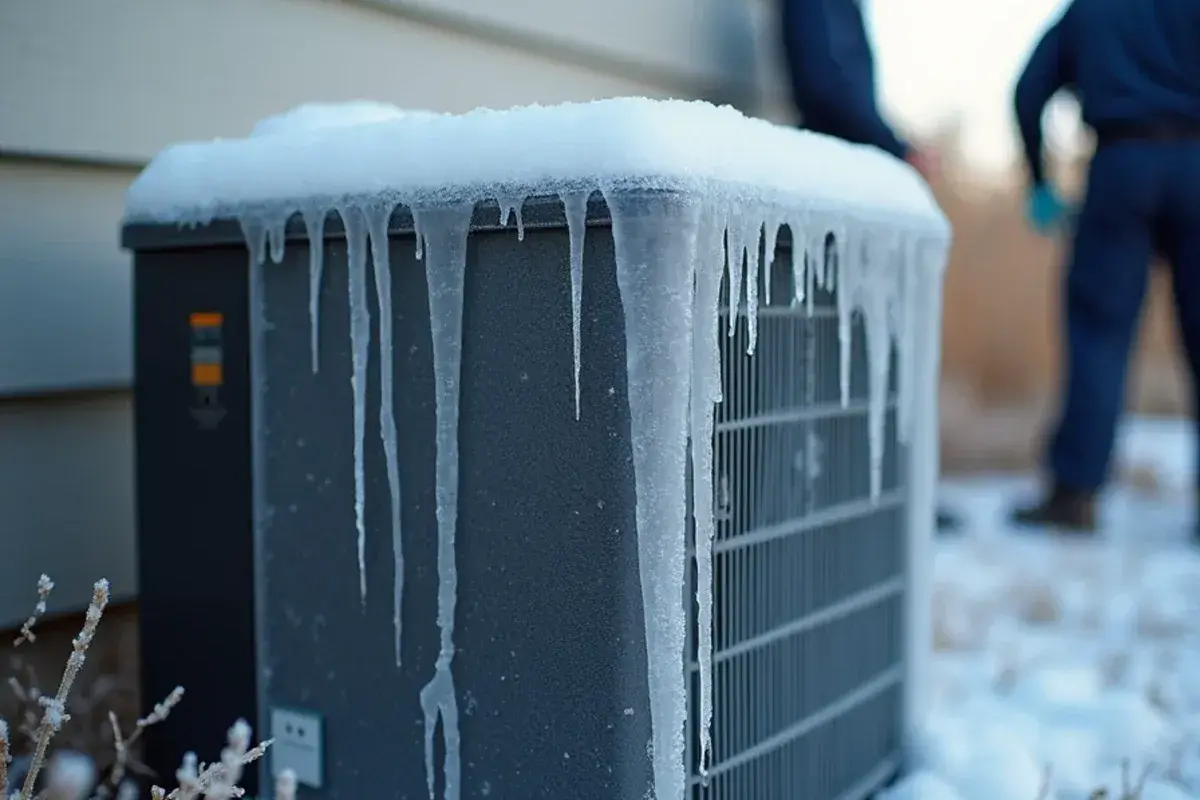
During Uri, heat pumps faced conditions they rarely see in South Texas. Ice, wind and sub-freezing hours piled frost onto outdoor coils. The defrost cycle (a few minutes of reverse operation that melts frost off the coil) kept running, and backup strips carried most of the load. Older heat pumps with weak defrost controls or failed strips left houses cold even while the power was on.
Our heat pump service page explains how defrost and backup heat work together, and what a technician tests to confirm both are healthy.
Know where emergency heat is on your thermostat
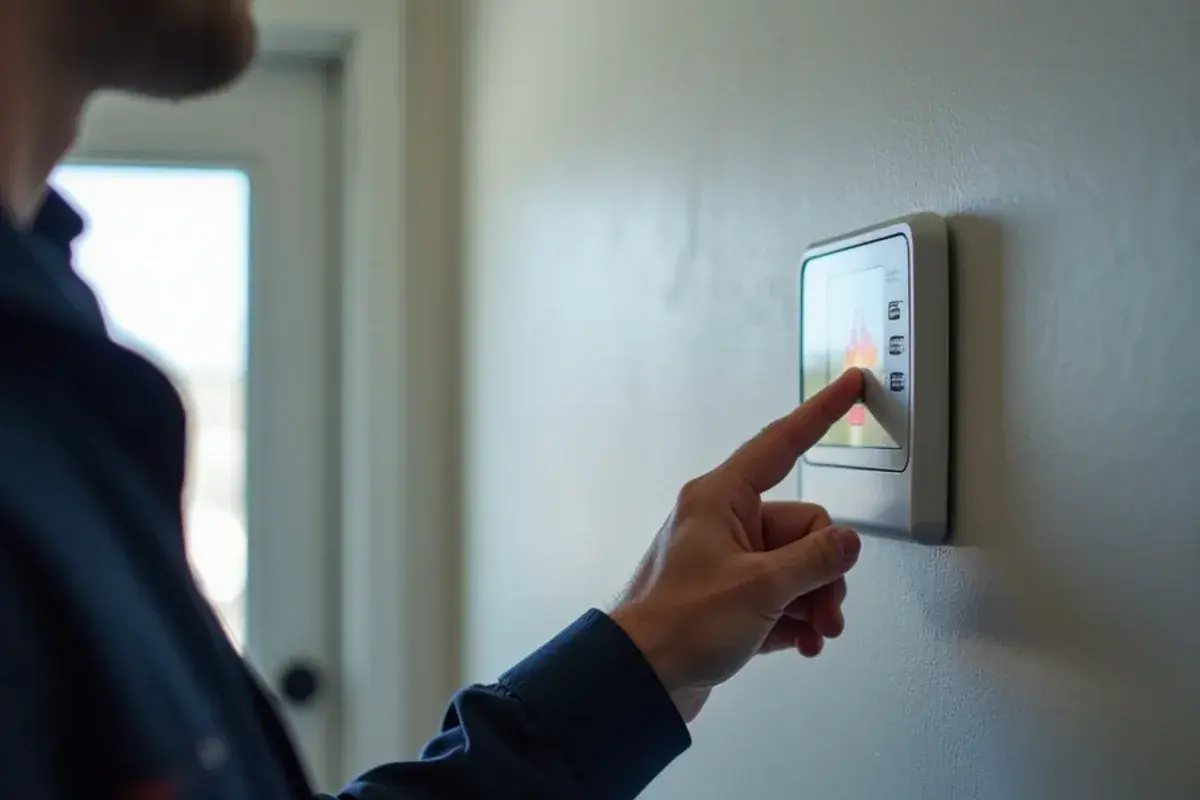
On a heat pump system, "Emergency heat" or "EM heat" tells the system to ignore the outdoor unit and run the strips alone. It is meant for when the outdoor unit is damaged or iced solid, not for everyday use, because strips use far more electricity. Find the setting now, while nothing is wrong.
Lesson two: test the backup heat before you need it
Heat strips that sit unused for years fail quietly. A burnt element, a stuck sequencer (the switch that turns strips on in stages) or a tripped limit switch won't show up until the one night the heat pump can't do the job alone. During Uri, a lot of systems had strips that hadn't truly been tested in years.
A pre-winter check should confirm:
| Part | What the technician checks | Why it mattered in 2021 |
|---|---|---|
| Heat strip elements | Resistance on each element, amp draw while running | Dead elements meant half the backup heat on the coldest nights |
| Sequencer and relays | That every stage of heat actually turns on | One stuck relay can leave strips switched off |
| Limit switches | Correct opening and closing | A weak limit trips early and shuts the heat off |
| Defrost control and sensor | Defrost starts and ends as it should | Poor defrost let ice choke outdoor coils |
| Breakers and wire terminals | Tight, cool connections | Long, heavy loads overheat loose lugs |
| Outdoor unit clearance | Open space around and above the coil | Ice and debris need somewhere to drain |
Our heating services cover this kind of seasonal check for strips, heat pumps and gas furnaces.
Lesson three: heat with no power needs a safe plan
The hardest lesson was about outages. When the grid went down, people reached for whatever could make heat, and some of those choices were deadly. The Texas Department of State Health Services eventually counted 246 deaths tied to the storm. Hypothermia caused the most, and carbon monoxide from generators, grills and cars run in enclosed spaces was among the other causes.
Safer backup heat options, in rough order of preference:
- Keep heat in. Close off unused rooms, hang blankets over windows and doorways, and gather the household in one room.
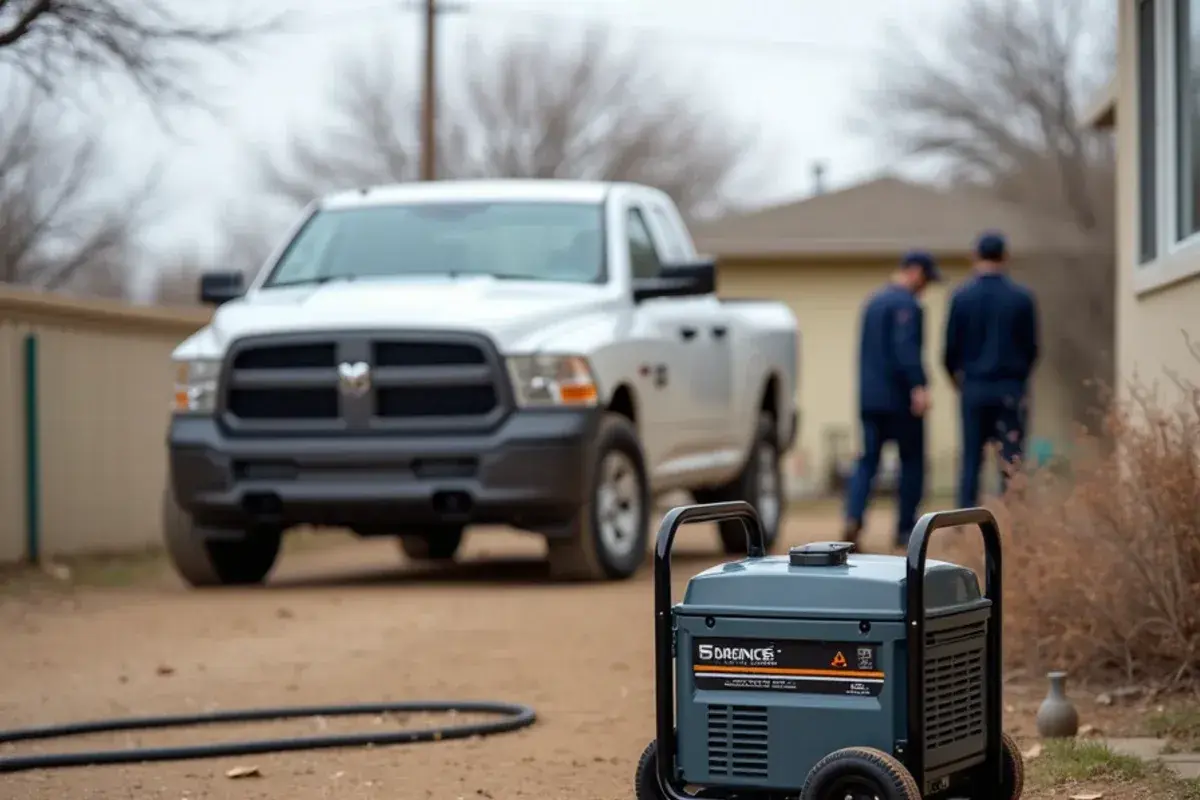
- A generator outdoors. Run it far from doors, windows and vents, never in a garage or carport. Connecting a generator to house wiring requires a transfer switch or interlock installed by a licensed electrician.
- Properly vented gas heat. A vented gas wall heater or furnace can help if the gas supply holds, with a CO alarm in place.
- Indoor-rated portable heaters only when power returns, with tip-over and overheat shutoff, kept clear of bedding and curtains.
Never heat the house with an oven, a charcoal or propane grill, or a camp heater. If a CO alarm goes off, or someone has a headache, dizziness or nausea, get everyone outside and call 911.
Lesson four: the house matters as much as the heater
The homes that held heat longest during the outages had attic insulation, weatherstripped doors and fewer drafts. Many Valley homes, including manufactured homes and owner-built block houses that grew room by room, lose heat fast through thin walls, uninsulated floors and gaps around window units.
Before winter:
- Wrap exposed pipes and hose bibs, especially on homes raised on piers.
- Know where your main water shutoff is.
- Seal obvious drafts around doors and old window AC openings.
- Check skirting on manufactured homes so cold wind doesn't sweep under the floor.
What a technician wants you to know about backup power and heat
The question that comes up most after a freeze is whether a generator would have kept the heat on. The honest answer depends on what kind of heat you have, and it surprises a lot of people.
- Heat strips are the hungriest load in the house. A heat kit in a Valley air handler is rated in kilowatts, often in several stages, and on a cold night it can run for hours without stopping. Most portable generators cannot start even one stage alongside the blower without tripping.
- A heat pump in normal heat mode uses far less power than the strips. A properly sized standby generator may run it, but only if the strips are locked out or limited while on generator power. That lockout is a wiring and control decision made when the generator goes in.
- A gas furnace needs very little electricity. The blower, igniter and controls can often run from a modest generator, one of the few real advantages of gas heat in an outage, as long as the gas supply holds.
- Compressors need a hard kick to start. A heat pump's startup surge is much larger than its running load, so generator sizing has to plan for that moment, not just the average.
What a technician measures before giving that advice is simple: the amp draw of each heat strip stage, the blower and the outdoor unit while running, plus the heat kit size on the air handler's nameplate. Those readings tell an electrician what a generator has to carry.
The trade-off is real. A generator big enough to run the strips is a large, permanent installation. For most households a smaller plan works better: keep the heat pump healthy so the strips rarely carry the load, close the house down to one or two rooms, and save the generator for the refrigerator, lights, phones and any medical equipment.
Lesson five: when power comes back, go slow
When electricity returned in 2021, many houses had every heater, strip and appliance trying to start at once. Turning the thermostat to off during an outage, then restoring heat after the power has been steady for a few minutes, eases the load on your breakers and helps the local grid recover. If the heat doesn't come back, or a breaker trips repeatedly, that is the time for an emergency heater repair call rather than resetting it over and over.
Getting ready across the Valley
From our Rio Grande City shop we see homes across Starr County with all three heating types, and the pattern from Uri holds everywhere: systems that had been tested in the fall did better than the ones that hadn't. We also schedule visits farther east in Cameron County, where Harlingen-area homes face the same mix of heat pumps and strips.
A hard freeze in the Valley may not come every winter, but when it does there's no time to find parts or appointments. Book the heating check in October, learn your thermostat's emergency heat setting, put a CO alarm near the bedrooms, and decide now how your household will stay warm if the power goes out for more than a day. When you are ready for that fall check, call 956 Multi Service at (213) 423-7827 and tell us what kind of heat the house has.