
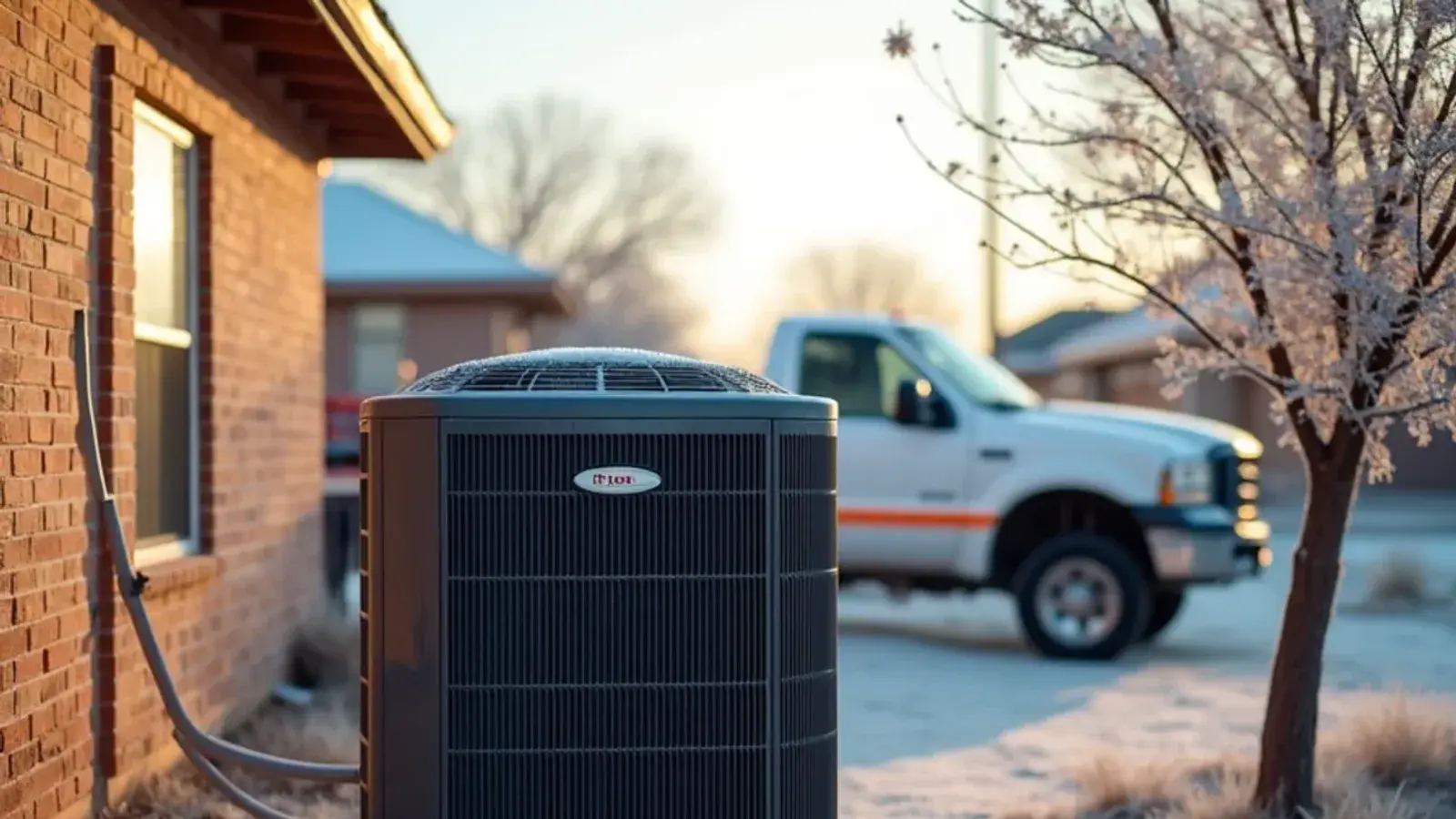
If your heat pump is not working in a freeze, first tell normal defrost, a few minutes of steam with the fan stopped, from a coil iced solid that never clears. Set the thermostat to Heat, reset a tripped breaker once and leave the ice alone. If the outdoor unit stays iced or damaged, switch to Emergency Heat and call.
This is a different problem from an AC failure in summer. The same outdoor unit that cools your house is now trying to pull heat out of air that is near or below freezing, and it has to stop regularly to melt frost off its own coil. Some of what looks alarming is normal. Some of it is a real failure that needs fast attention, especially in a cold snap like Winter Storm Uri in February 2021, when hard freezes and outages reached deep into the Valley.
Normal frost versus a real problem
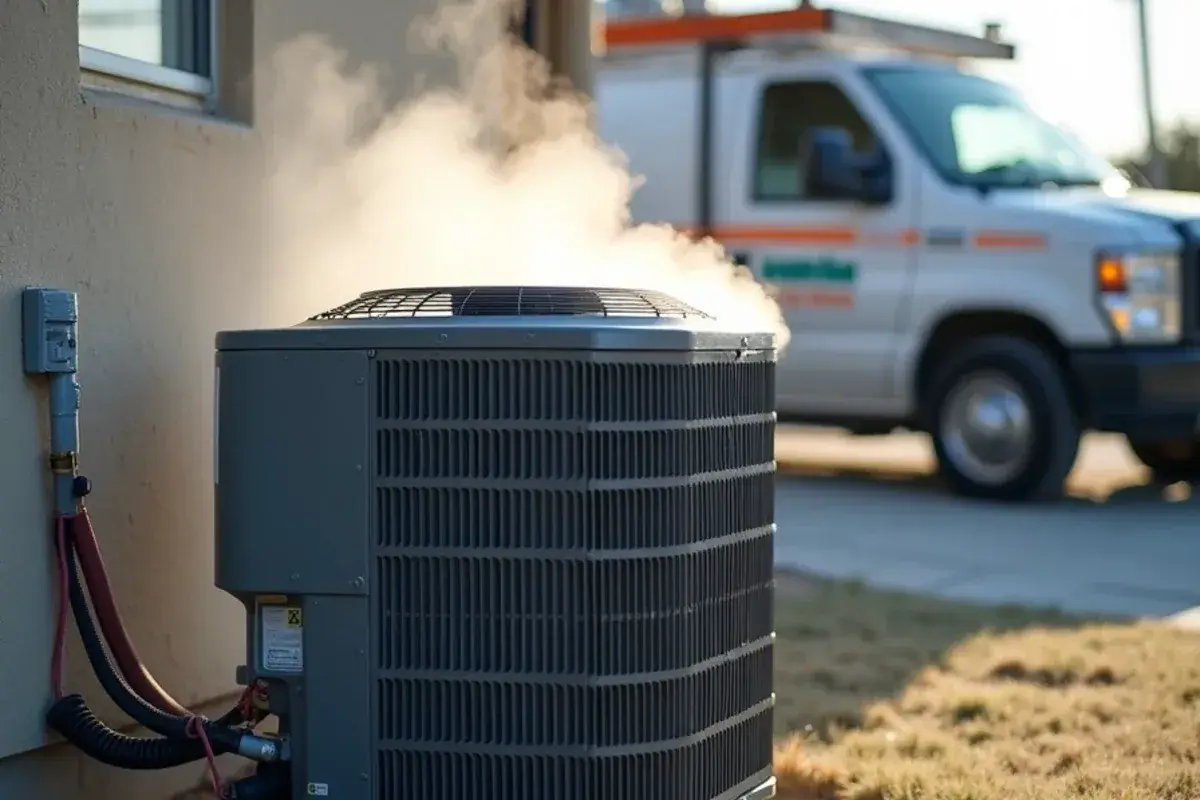
In cold, damp weather, a light coat of frost on the outdoor coil is expected. Every so often the system switches into defrost: the outdoor fan stops, you may hear a whoosh, and steam rises from the unit for a few minutes. Then it goes back to heating. During defrost the indoor air may feel cooler briefly while the backup heat covers the gap.
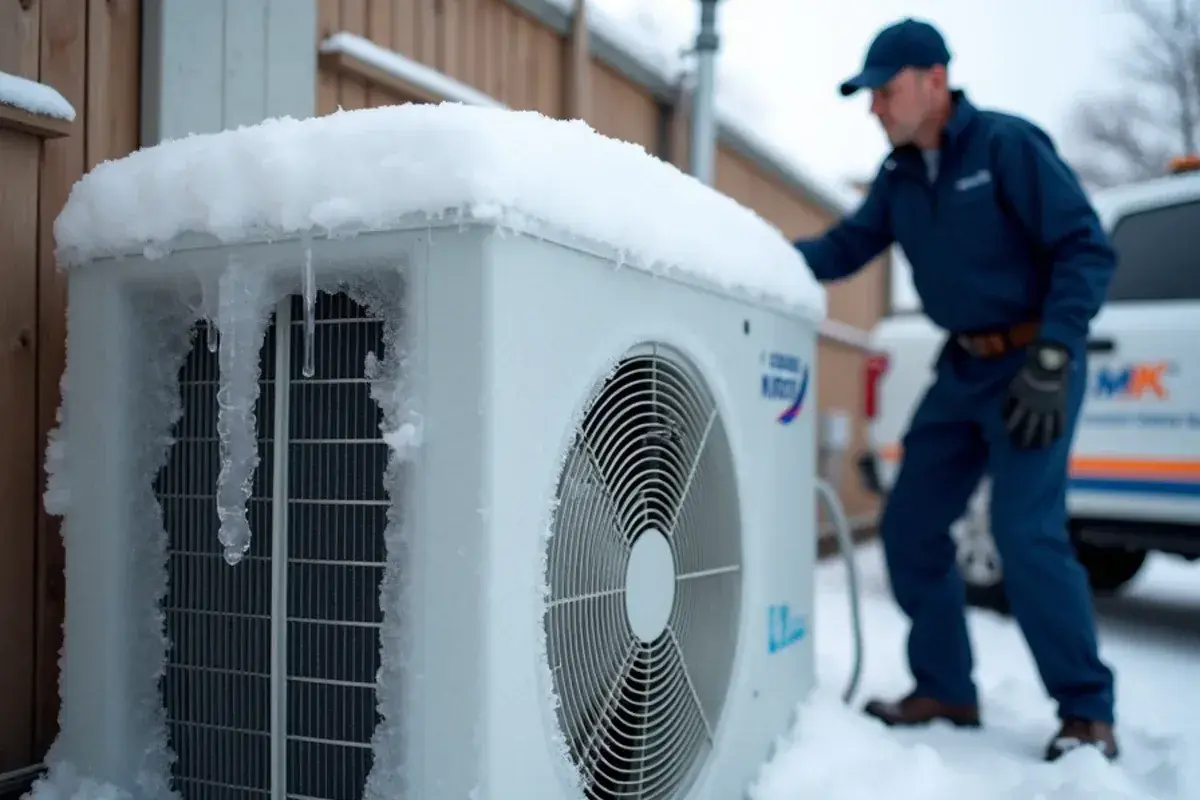
What is not normal is ice that builds up and stays: the coil completely encased, ice on top of the fan, or a unit that never seems to go into defrost.
| What you see outside | Normal or not | What to do |
|---|---|---|
| Thin white frost that clears every hour or so | Normal | Nothing |
| Steam and a stopped fan for a few minutes | Normal defrost | Nothing |
| Thick ice covering the whole coil and fan | Not normal | Switch to emergency heat and call |
| Ice building from water dripping off the roof | Not normal | Redirect the drip, then switch to emergency heat if iced |
| Fan running but no heat indoors and no strips | Not normal | Check breakers, then call |
| Unit completely silent with power on | Not normal | Check outdoor breaker once, then call |
What to do the moment heat stops
Check the obvious first
Make sure the thermostat is set to Heat with a set point above room temperature, batteries are good, and the filter is not clogged. A blocked filter can make the system overheat and shut down the heat strips on a high-limit safety.
Check both breakers
Heat pump systems usually have a breaker for the outdoor unit and a large breaker, sometimes two, for the electric heat strips in the indoor air handler. Reset a tripped breaker one time. Strips draw a lot of current, and a breaker that trips again is telling you something is wrong. Leave it off.
Do not chip the ice
Hitting ice with a tool, a broom handle or a scraper is one of the easiest ways to puncture a refrigerant line or bend the fins. Pouring hot water on it during a freeze can also refreeze into a worse block. Leave the ice for the defrost system or a technician.
Using the emergency heat setting the right way
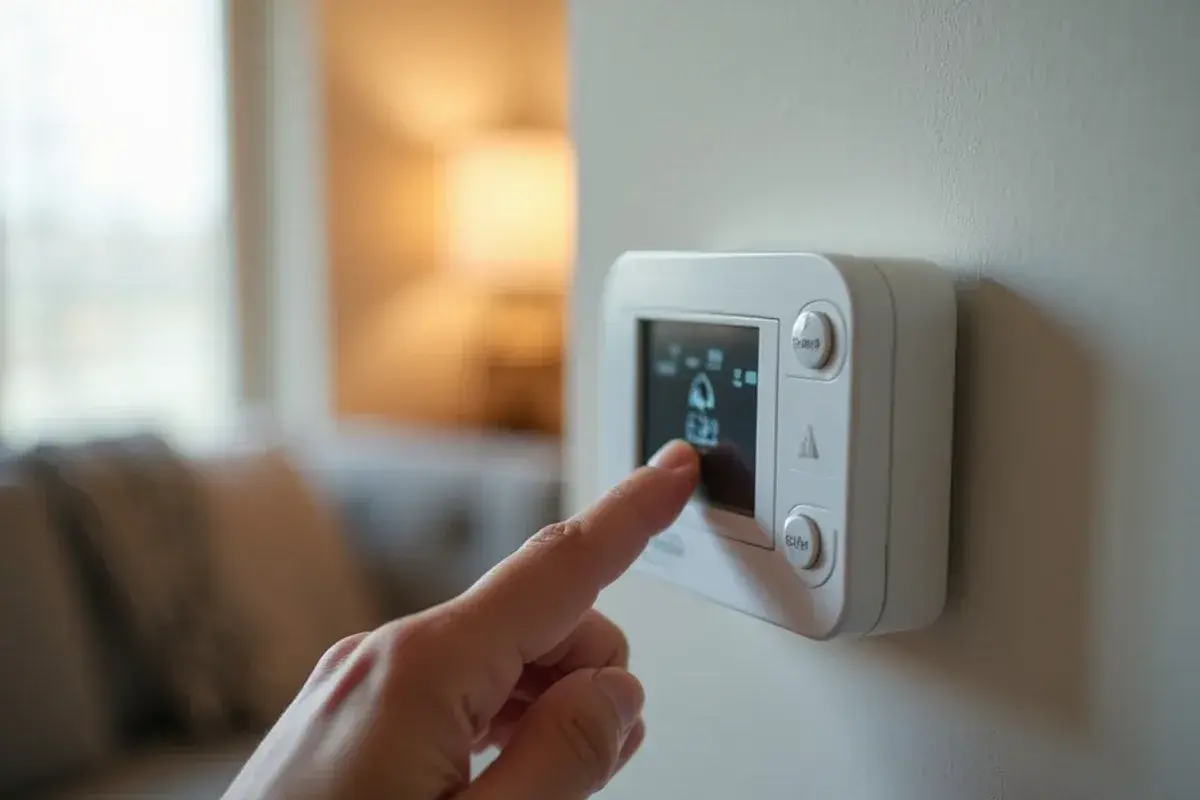
Most heat pump thermostats have an Emergency Heat or EM Heat setting. It shuts off the outdoor unit and heats the home with the electric strips alone. Use it when:
- The outdoor unit is iced solid and not clearing
- The outdoor unit is damaged, buried in debris or making grinding noises
- A technician has told you to keep it off until repair
Emergency heat works, but it uses far more electricity than the heat pump, so your next bill will show it. It is a bridge until the outdoor unit is repaired, not a long-term setting. If you switch to emergency heat and still get no warm air, the strips, their sequencer or their limit switch may have failed, which needs a technician.
Aux heat and emergency heat are not the same thing
Seeing "Aux" or "Auxiliary" on the thermostat during a cold night is usually normal. The thermostat turns the strips on by itself when the heat pump cannot keep up, and during each defrost cycle so the vents do not blow cold air. Emergency heat is the manual version: you choose it, and it locks the outdoor unit off completely. Leave the system on regular Heat and let aux do its job unless the outdoor unit is iced solid, damaged or noisy.
Staying warm safely if heat or power fails
During a long freeze, the risk is not only the cold but the shortcuts people take to stay warm.
- Never heat with a gas oven, stovetop, grill or charcoal indoors. They can produce deadly carbon monoxide.
- Keep portable generators outside and far from windows and doors. Make sure you have working carbon monoxide alarms.
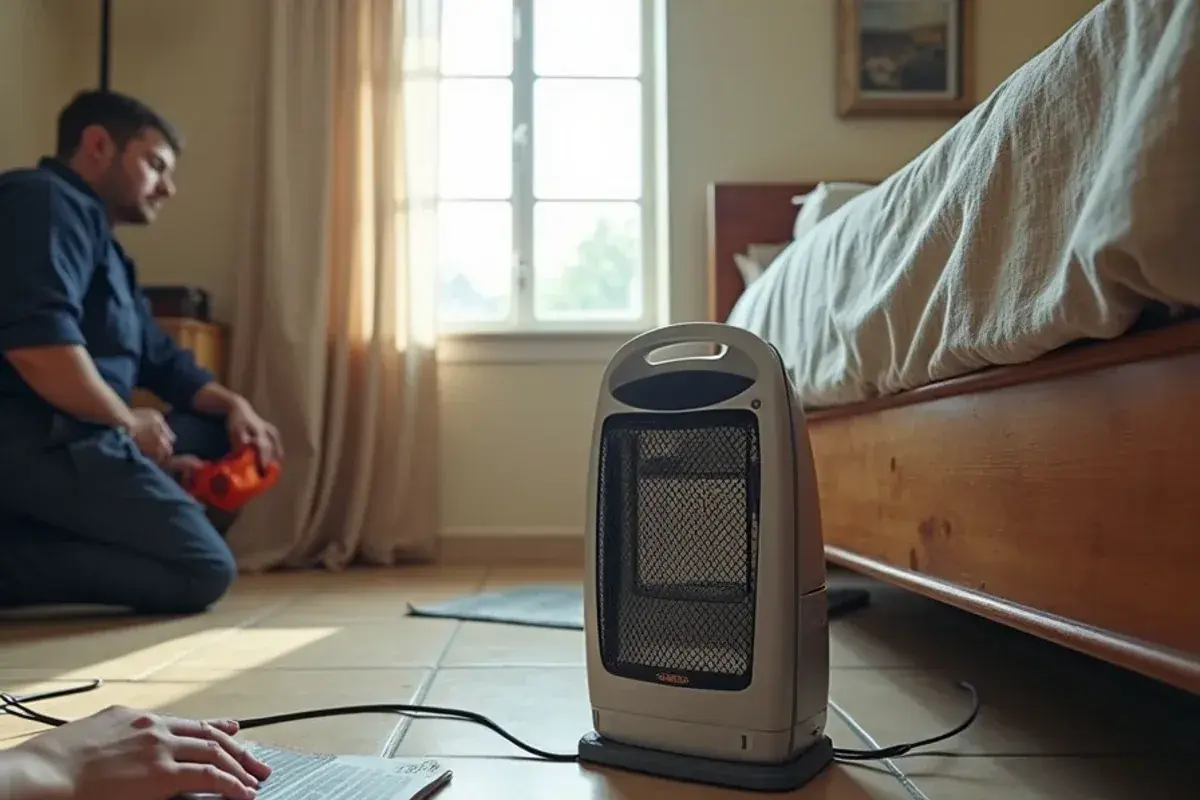
- Use space heaters with care. Plug them directly into a wall outlet, not an extension cord, keep three feet of clearance from anything that can burn, and turn them off when you leave the room or sleep.
- Gather in one room. Close doors to the rest of the house, hang blankets over windows, and layer clothing.
- Protect pipes. Let faucets drip on exposed walls and open sink cabinets so warm air reaches the plumbing.
Cold-weather health warning
Confusion, slurred speech, drowsiness or shivering that suddenly stops can be signs of hypothermia, especially in older adults and infants. Call 911 and warm the person gradually with dry blankets.Why freezes hit Valley heat pumps hard
Systems here are sized and maintained mostly for cooling. Heat strips may sit unused for years, collect dust, and then get asked to run for days straight. Outdoor units are often placed under a roof edge with no gutter, so freezing rain drips onto the top and builds ice faster than defrost can clear it. Worn defrost sensors and control boards often go unnoticed until the first real cold night.
That is why a fall check of heat pumps matters even in a mild climate. Testing the strips, the defrost cycle and the reversing valve takes much less time than a repair during a storm.
What a technician checks on a frozen heat pump
When the outdoor unit stays encased in ice, the cause is usually in the defrost system or the refrigerant circuit, not the weather alone. A technician thaws the coil safely first, then works through the parts that decide when and how defrost happens.
- The defrost control and coil sensor. A small temperature sensor clamped to the outdoor coil tells the board when frost is forming. If it has slipped off the tube or failed, the board never starts a defrost. On older time-and-temperature boards, the interval between defrost checks can be set, and a setting chosen for a dry climate may be too long for damp Valley cold.
- The reversing valve. Defrost works by briefly running the system in cooling mode to warm the outdoor coil. A valve that sticks or shifts only partway leaves the coil cold.
- The outdoor fan relay. The fan should stop during defrost so heat stays in the coil. If it keeps spinning, defrost takes far longer and may never finish.
- Refrigerant charge. A system low on refrigerant runs a colder outdoor coil, frosts faster and delivers less heat. Low charge means a leak, which gets found before anything is added.
- Each heat strip. Amp draw on every element, plus the sequencers and limit switches that bring them on, shows whether the backup is really producing its full output or only part of it.
Trade-offs worth hearing straight
Cold-climate heat pumps keep delivering heat at lower outdoor temperatures, but a home that sees only a few freezing nights a year rarely earns back the difference. For most South Texas homes, the better insurance is a standard heat pump with healthy strips, a clean coil and an outdoor unit raised above grade and moved out from under roof drip. If your strips have never been tested, our heating repair team can check them on the same visit as the rest of the system.
Getting repair help during a cold snap
When you call for emergency heater repair, describe what the outdoor unit looks like, whether emergency heat produces warm air, and which breakers you reset. During widespread freezes, calls stack up fast and roads can be slick, so tell us if an infant, an older adult or someone with a medical condition is in the home, and make a safe plan for staying warm while you wait.
From our Rio Grande City base we cover east into Hidalgo County. Mission, about 50 minutes down US-83, mixes older citrus-era neighborhoods with RV and mobile-home parks full of heat pumps that rarely face a hard freeze. A little further east, Alamo has many winter-Texan parks where park-model units are worth checking before the first cold front, since their owners often arrive just as the weather turns.
Before the next freeze arrives
Book a heating check in the fall, make sure heat strips actually run, keep the area around the outdoor unit clear, and fix any roof drip above it. Keep a carbon monoxide alarm working and a safe backup plan for warmth. A few minutes of preparation is the difference between a cold night and a dangerous one. If your heat has already quit, call (213) 423-7827 with your town, a description of the ice on the outdoor unit and who is at home, and we will talk you through what to keep switched off until we can get there.